


Walk Of Shame Antonio Maretti
At a glance
Is Walk Of Shame Antonio Maretti worth trying?
Walk Of Shame by Antonio Maretti is a Floral Fruity fragrance for women.
- Best match
- Evening wear in Any
- Performance feel
- Good longevity with Moderate sillage
- Signature profile
- citrus, woody, fruity with Bergamot, Pineapple, Aldehydes
The first impression
Walk Of Shame by Antonio Maretti is a Floral Fruity fragrance for women. This is a new fragrance. Walk Of Shame was launched in 2022. The nose behind this fragrance is Cristian Calabro. Top notes are Bergamot, Pineapple and Aldehydes; middle notes are Rose and Gardenia; base notes are Cedar and Ambrox Super.
What shapes the scent
The perfumer behind it

Cristian Calabro
Cristian Calabro is a perfumer known for his work with Antonio Maretti, creating provocative scents like Almost A Virgin, Dominant, and Nymphomania. His compositions often explore bold, sensual themes with rich, leathery, and gourmand accords. Calabro's style is characterized by its daring and narrative-driven approach.
Notes pyramid
Top Notes
First impression · 15-30 min
 Bergamot
 Pineapple
 Aldehydes
Heart Notes
Core character · 2-4 hours
 Rose
Rose
 Gardenia
Base Notes
Lasting impression · 4+ hours
 Cedar
Ambrox Super
Cedar
Ambrox Super
The mood it creates
The Lover Archetype: Portrait of Walk Of Shame Antonio Maretti
Essence
This person is most closely defined by The Lover archetype-an embodiment of passion, sensuality, and the pursuit of beauty in all its forms. The fragrance Walk of Shame suggests a duality: the lingering warmth of an intimate night and the unapologetic confidence of stepping into the morning light. The Lover thrives on intensity, whether in emotions, experiences, or aesthetics. They are drawn to what stirs the senses, what makes the heart race, what lingers in memory like a half-remembered dream.
Yet, like all archetypes, The Lover has a shadow-a tendency toward indulgence, fleeting attachments, and a fear of depth that might tarnish the intoxicating surface.
Style & Aesthetic
Their wardrobe is a carefully curated blend of effortless elegance and deliberate dishevelment-a silk blouse slightly undone, a leather jacket worn soft with time, a scent that lingers like a secret. They favor textures that invite touch: cashmere, suede, the roughness of raw linen against skin.
In music, they gravitate toward sultry jazz, melancholic blues, or the throbbing bass of electronic beats that mimic a heartbeat. Their bookshelf holds works by Anaïs Nin, Baudelaire, and Murakami-writers who blur the lines between desire and despair. They drink red wine slowly, savoring the tannins, and prefer cocktails that taste like rebellion (smoky mezcal, bitter Campari).
Philosophy & Values
To them, existence is not merely lived but felt. They reject the mundane, the purely functional, the sterile. Their philosophy is one of aesthetic hedonism-not in the crude sense of excess, but in the belief that life’s meaning is woven through moments of beauty, connection, and pleasure. They might quote Nietzsche’s "One must have chaos within oneself to give birth to a dancing star"-not as a call to recklessness, but as an affirmation that intensity is necessary for transcendence.
They are drawn to the liminal-the hours between midnight and dawn, the tension between restraint and abandon. Their favorite places are dimly lit bars where conversations turn confessional, art galleries where paintings seem to pulse with hidden narratives, and cities that never sleep, where anonymity allows for reinvention.
Relationships
They are magnetic, drawing others in with an ease that feels both natural and calculated. Their charm is not manipulative but instinctive-they know how to make people feel seen, desired, fascinating. Romantic partners are often ensnared by their intensity, only to later grapple with their evasiveness.
Their relationships thrive on the thrill of the chase, the electricity of first touches, whispered confessions in the dark. But commitment terrifies them-not out of cruelty, but because they fear stagnation will dull the vibrancy they crave. They leave lovers haunted, not by bitterness, but by the ghost of what could have been.
Shadow
The Lover’s greatest weakness is their aversion to the ordinary. They mistake depth for dullness, stability for suffocation. When life becomes too predictable, they escape-into new affairs, impulsive travels, or self-destructive binges of sensation. Their pursuit of beauty can become a refusal to face ugliness, even within themselves.
They may also struggle with emotional transience, mistaking intensity for intimacy. A night of profound connection is abandoned by morning, not out of malice, but because they fear that daylight will reveal the illusion.
Conclusion
This person is neither hero nor villain, but a wanderer of the emotional and sensual landscape. They teach others how to feel more deeply, even as they themselves skirt the edges of true vulnerability. Their life is a series of exquisitely framed moments-some fleeting, some eternal.
They wear Walk of Shame not as an apology, but as a badge of honor: a testament to nights lived without regret, to mornings greeted with defiance, to the unending search for something-or someone-that makes the world burn a little brighter.
If you like this, try these
Fragrances with a comparable profile - shared accords, notes, and character.
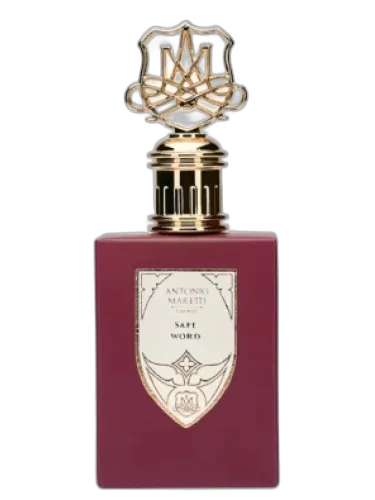
Antonio Maretti
Safe Word Antonio Maretti
Shared top notes: bergamot, pineapple
Nikkos-Oskol Fragrance
Н (n) Nikkos-oskol Fragrance
Shared top notes: aldehydes, bergamot
Spirit Of Kings
Verity Spirit Of Kings
Shared top notes: aldehydes, bergamot, pineapple
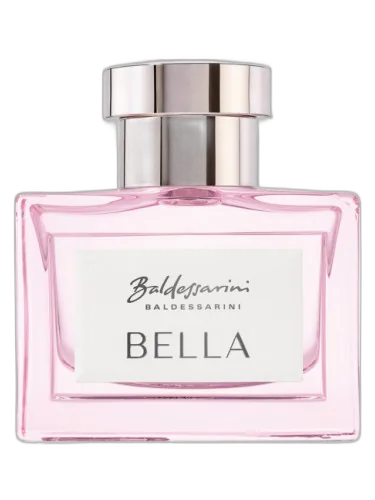
Baldessarini
Bella Baldessarini
Shared heart notes: gardenia, rose
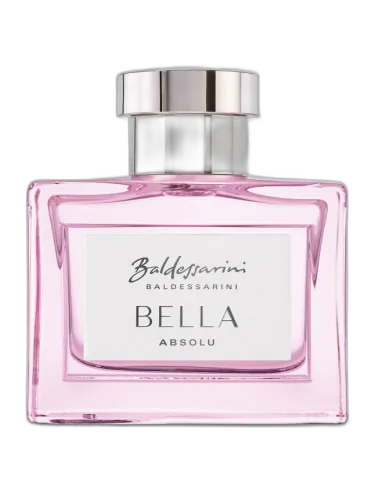
Baldessarini
Bella Absolu Baldessarini
Shared heart notes: gardenia, rose