
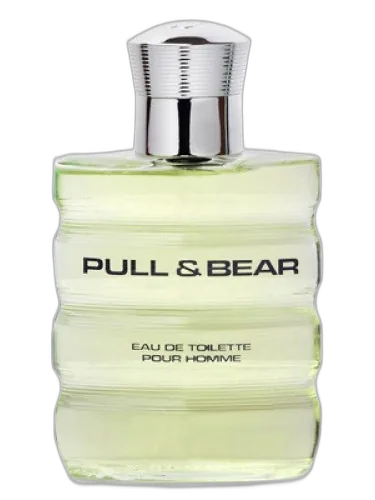

Pull & Bear Antonio Puig
At a glance
Is Pull & Bear Antonio Puig worth trying?
Pull & Bear by Antonio Puig is a Aromatic Spicy fragrance for men.
- Best match
- Casual wear in Spring, Summer
- Performance feel
- Moderate longevity with Moderate sillage
- Signature profile
- citrus, fruity, sweet with Bergamot, Mandarin Orange, Sage
The first impression
Pull & Bear by Antonio Puig is a Aromatic Spicy fragrance for men. Pull & Bear was launched in 1994. Pull & Bear was created by Rosendo Mateu and Carlos Viñals. Top notes are Bergamot, Mandarin Orange and Sage; middle notes are Pineapple, Cinnamon and Spices; base notes are Woodsy Notes, Amber and Musk.
What shapes the scent
The perfumer behind it

Carlos Viñals
Carlos Viñals is a Spanish perfumer known for his work with major houses including Dior, Avon, and Antonio Puig. His style often balances fresh, energetic accords with warm, sensual undertones, evident in creations like Dior Higher Energy and Avon Luck Limitless For Him. He has also crafted accessible fragrances for mass-market brands such as Cyzone and Beyoncé, demonstrating versatility across luxury and commercial lines.
Notes pyramid
Top Notes
First impression · 15-30 min
 Bergamot
 Mandarin Orange
 Sage
Sage
Heart Notes
Core character · 2-4 hours
 Pineapple
 Cinnamon
 Spices
Base Notes
Lasting impression · 4+ hours
Woodsy Notes
 Amber
Amber
 Musk
Musk
The mood it creates
The Wanderer Archetype: Portrait of Pull & Bear Antonio Puig
Essence
To wear Pull & Bear Antonio Puig is to embrace a scent that is fresh, uncomplicated, and subtly rebellious-a fragrance for those who refuse to be pinned down. The person who chooses this scent is not one for heavy, imposing perfumes; they prefer something light, versatile, and effortlessly cool. Their essence is that of the Wanderer, the archetypal seeker who values freedom above all else.
This individual thrives on movement-both literal and metaphorical. They are drawn to experiences over possessions, to the open road over the confines of a fixed identity. Their style is casual but intentional, favoring comfort with an edge-perhaps a well-worn leather jacket, a pair of vintage jeans, or sneakers that have seen many miles. They are not one for rigid fashion rules but curate an aesthetic that feels authentic and lived-in.
Philosophically, they reject dogma. They are the kind of person who reads Camus and Kerouac not as literary exercises but as guides to living. They believe life is meant to be tasted, not dissected, and they have little patience for those who overthink instead of act. Their values are rooted in autonomy-they despise coercion, whether from institutions, traditions, or social expectations.
In relationships, they are magnetic but elusive. They form deep connections quickly, drawn to kindred spirits who share their love of spontaneity. Yet, they resist anything that feels like obligation. Romantic partners may find them intoxicating at first, only to grow frustrated by their reluctance to settle. Their friendships are strong but often scattered across cities and countries, maintained through sporadic but meaningful encounters.
Shadow
Yet, for all their charm, the Wanderer is not without their contradictions. Their love of freedom can sometimes mask a fear of commitment-not just to people, but to ideas, careers, or even their own potential. They may flit from passion to passion, never fully mastering anything, always chasing the next thrill. This restlessness can leave them feeling unmoored, even as they pride themselves on their independence.
Their aversion to routine can also manifest as irresponsibility. They may neglect practical matters-finances, long-term plans-preferring to trust in serendipity. While this can lead to remarkable adventures, it can also leave them stranded when reality demands structure.
Beneath their carefree exterior, there is often a quiet melancholy-a sense that they are always searching for something just out of reach. The very freedom they cherish can become a kind of exile, leaving them longing for a home they cannot define.
The Wanderer is neither wholly liberated nor entirely lost-they exist in the tension between the two. Their strength lies in their refusal to be confined, their ability to find beauty in impermanence. Yet their flaw is their reluctance to ever stop moving, to risk the vulnerability of staying.
They are the person who leaves the party just as it peaks, not out of disdain, but because they fear the moment it begins to fade. And in that departure, they carry with them the scent of salt and citrus-light, fleeting, impossible to hold.
If you like this, try these
Fragrances with a comparable profile - shared accords, notes, and character.
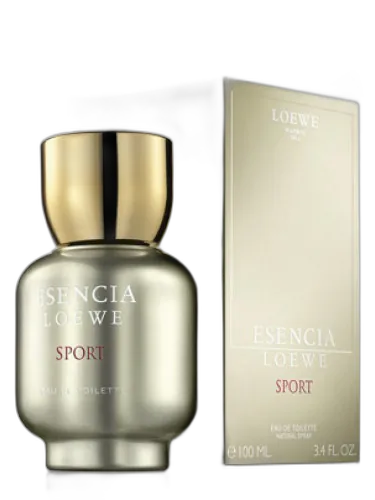
Loewe
Esencia Loewe Sport Loewe
Shared top notes: bergamot, mandarin orange
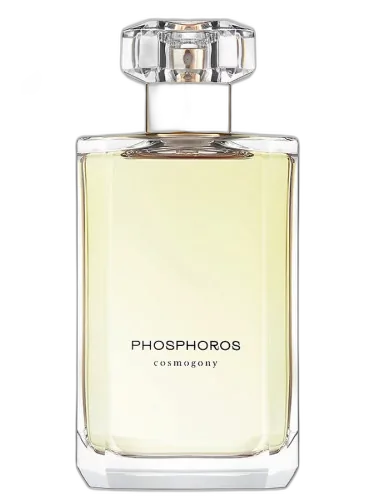
Cosmogony
Phosphorus Cosmogony
Shared top notes: bergamot, mandarin orange

Tommy Hilfiger
T Girl Tommy Hilfiger
Shared top notes: bergamot, mandarin orange
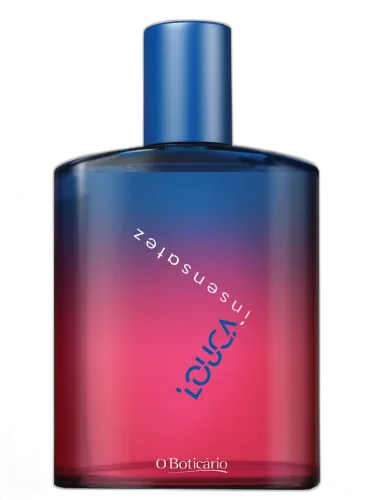
O Boticário
Insensatez Louca O Boticário
Shared top notes: bergamot, mandarin orange

Ori
Lagoa Do Abaeté Ori
Shared top notes: bergamot, mandarin orange, sage