
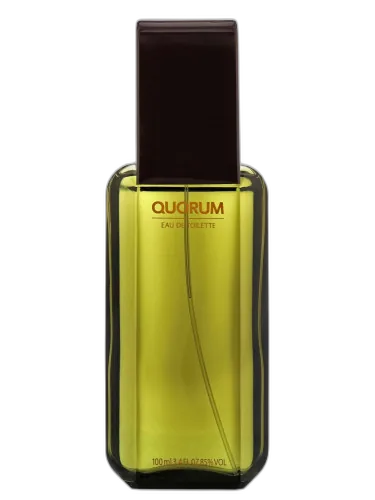
Quorum Antonio Puig
At a glance
Is Quorum Antonio Puig worth trying?
Quorum by Antonio Puig is a Woody Aromatic fragrance for men.
- Best match
- Evening, Special Occasion wear in Fall, Winter
- Performance feel
- Good longevity with Strong sillage
- Signature profile
- woody, aromatic, mossy with Artemisia, Caraway, Lemon
The first impression
Quorum by Antonio Puig is a Woody Aromatic fragrance for men. Quorum was launched in 1981. Quorum was created by Carlos Benaïm, Max Gavarry and Rosendo Mateu. Top notes are Artemisia, Caraway, Lemon, Bergamot and Grapefruit; middle notes are Pine Tree, Sandalwood, Patchouli, Carnation, Cyclamen and Jasmine; base notes are Oakmoss, Leather, Tobacco and Amber.
What shapes the scent
The perfumer behind it

Carlos Benaïm
Carlos Benaïm is a perfumer with a diverse portfolio spanning A Lab on Fire, Alfred Dunhill, and Aramis. He created Liquidnight for A Lab on Fire and Century for Alfred Dunhill. His work also includes Quorum for Antonio Puig and Havana Pour Elle for Aramis.
Notes pyramid
Top Notes
First impression · 15-30 min
 Artemisia
 Caraway
 Lemon
Lemon
 Bergamot
 Grapefruit
Heart Notes
Core character · 2-4 hours
 Pine Tree
 Sandalwood
 Patchouli
 Carnation
 Cyclamen
 Jasmine
Base Notes
Lasting impression · 4+ hours
 Oakmoss
 Leather
 Tobacco
 Amber
Amber
The mood it creates
The Outlaw Archetype: Portrait of Quorum Antonio Puig
Essence
The one who wears Quorum by Antonio Puig is not a man of polite restraint. His scent is a declaration-dark, leathery, tobacco-laden, with a rugged earthiness that refuses to be ignored. He is the Outlaw, the archetype that thrives beyond convention, rejecting the tame order of society in favor of raw authenticity. The Outlaw does not seek approval; he demands recognition. His fragrance is his banner, announcing his presence before he speaks.
Style & Aesthetic
He does not dress for others. His wardrobe is utilitarian yet deliberate-denim that has seen years of wear, boots that have walked through mud and city streets alike, and perhaps a silver ring that carries some personal significance. His style is not curated for fashion but for function, though he understands the power of image. When he enters a room, it is not with charm but with quiet intensity. He does not fill silence with empty words; his presence alone shifts the atmosphere.
Relationships
The Outlaw is not a man of many friends. His relationships are forged in fire-those who have earned his trust know a fierce, almost tribal loyalty. He does not suffer fools, and his patience for superficiality is thin. Romantic partners are drawn to his magnetism but often clash with his stubborn independence. He loves deeply but on his own terms, and his shadow emerges when commitment feels like captivity.
He is a paradox-capable of profound tenderness toward those he deems worthy, yet coldly dismissive of those who cross him. His greatest flaw in love is his inability to soften, to bend when rigidity serves no purpose.
Shadow
Every archetype has its dark reflection. For the Outlaw, the shadow manifests in two extremes: the Tyrant and the Hermit.
When he becomes the Tyrant, his defiance curdles into cruelty. He confuses strength with domination, mistaking ruthlessness for power. He may push others away not out of principle but out of spite, reveling in isolation as proof of his superiority.
When he retreats into the Hermit, his independence becomes a prison. He convinces himself that he needs no one, that vulnerability is weakness. This is his deepest fear-not of others, but of his own need for connection.
Conclusion
Born under no particular star but shaped by defiance, the Quorum man is a self-made force. His tastes are unapologetically bold-whiskey neat, black coffee, worn leather jackets, and the kind of books that question authority. He prefers the weight of history over fleeting trends, favoring writers like Bukowski, Nietzsche, and Cormac McCarthy. His music leans toward blues, outlaw country, or the raw energy of punk-anything that carries the grit of lived experience.
His philosophy is simple: life is not meant to be sanitized. He believes in friction, in the necessity of struggle, and in the dignity of standing alone if necessary. He scoffs at hollow optimism, preferring instead a hardened realism that acknowledges both beauty and brutality. His values are loyalty (though his circle is small), integrity (as he defines it), and an unyielding sense of personal sovereignty.
If you like this, try these
Fragrances with a comparable profile - shared accords, notes, and character.
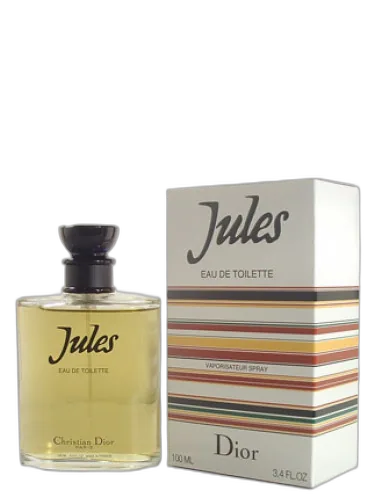
Dior
Jules Dior
Shared top notes: artemisia, bergamot, caraway

Versace
Versace L'homme Versace
Shared top notes: bergamot, lemon
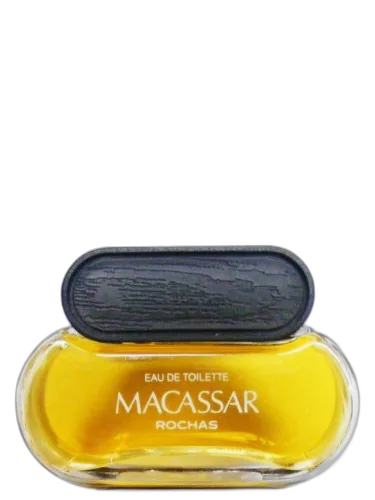
Rochas
Macassar Rochas
Shared top notes: artemisia, bergamot
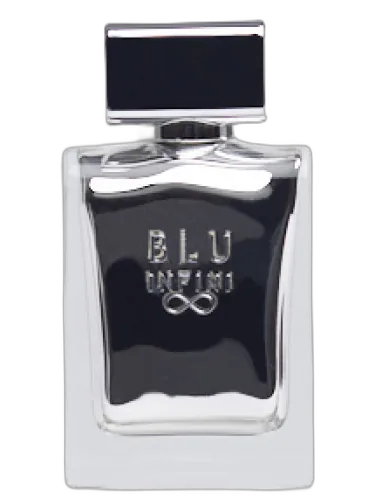
Elixir Signature Scents
Blu Infini Elixir Signature Scents
Shared top notes: bergamot, caraway, lemon
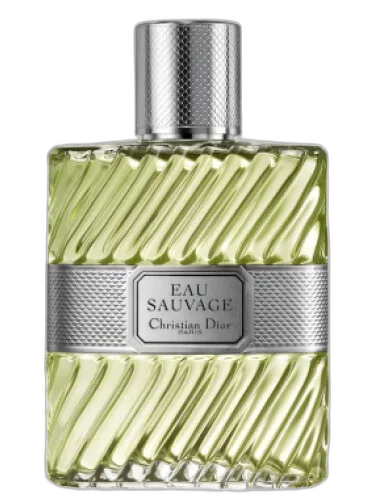
Dior
Eau Sauvage Dior
Shared top notes: bergamot, caraway, lemon