


Sport Man Antonio Puig
At a glance
Is Sport Man Antonio Puig worth trying?
Sport Man by Antonio Puig is a Citrus Aromatic fragrance for men.
- Best match
- Casual wear in Summer
- Performance feel
- Moderate longevity with Moderate sillage
- Signature profile
- citrus, fresh spicy, green with Bergamot, Pomelo, Water Notes
The first impression
Sport Man by Antonio Puig is a Citrus Aromatic fragrance for men. Sport Man was launched in 1997. Sport Man was created by Benoist Lapouza and Rosendo Mateu. Top notes are Bergamot, Pomelo, Water Notes, Green Notes and Aldehydes; middle notes are Green Tea, Neroli, Mint, Nutmeg and Pepper; base notes are Musk, Amber, Vetiver, Oakmoss and Sandalwood.
What shapes the scent
The perfumer behind it

Benoist Lapouza
Benoist Lapouza has contributed to the ALYSONOLDOINI collection, crafting fragrances such as Black Violet, Crystal Oud, Cuir D'encens, Marine Vodka, Marsiglia Musk, Oranger Moi, Rhum D'hiver, and Rose Profond. His work spans a variety of olfactory families, from rich leathers and ouds to fresh marine and citrus notes. Lapouza's style is characterized by a refined balance of traditional and contemporary influences.
Notes pyramid
Top Notes
First impression · 15-30 min
 Bergamot
 Pomelo
 Water Notes
 Green Notes
 Aldehydes
Heart Notes
Core character · 2-4 hours
Green Tea
 Neroli
 Mint
Mint
 Nutmeg
 Pepper
Base Notes
Lasting impression · 4+ hours
 Musk
Musk
 Amber
Amber
 Vetiver
 Oakmoss
 Sandalwood
The mood it creates
The Athlete Archetype: Portrait of Sport Man Antonio Puig
Essence
To wear Sport Man Antonio Puig is to embody an essence of controlled dynamism-a fragrance that speaks of crisp citrus, invigorating spices, and a clean, masculine finish. It is not a scent of decadence or brooding mystery, but one of action, vigor, and disciplined vitality. The man who chooses this fragrance is not lost in abstract dreams; he is rooted in the present, a creature of motion and purpose. His archetype is unmistakably The Hero, though not in the mythic sense of slaying dragons-rather, he is the modern warrior, the disciplined competitor who thrives on challenge and self-mastery.
Philosophy & Values
His philosophy is simple: strength is earned, weakness is a choice. He admires those who overcome adversity through sheer will-athletes who train past injury, entrepreneurs who build empires from nothing. Stoicism appeals to him; he sees suffering as a test, not a tragedy. He does not wallow in self-pity, nor does he indulge in excessive introspection. His mind is a tool, sharpened for action.
Yet beneath this disciplined exterior lies a quiet intensity. He is not emotionless-far from it. But his emotions are channeled, like a river directed into turbines. Anger becomes fuel for a harder workout. Doubt is silenced by another rep, another mile. He does not dwell on the past; he moves forward, always forward.
Relationships
In love and friendship, he is steadfast but not effusive. He does not drown in romantic idealism, but he is fiercely loyal. His partner must understand his need for independence, his occasional emotional reserve. He is not one for grand gestures, but he will show love in actions-fixing a broken shelf without being asked, waking early to drive someone to the airport.
His friendships are built on mutual respect. He admires those who share his discipline, who push themselves as he does. He has little patience for chronic complainers or those who refuse to take responsibility for their lives. His social circle is small but enduring-those who have proven themselves in his eyes.
Shadow
Yet every strength has its shadow. His discipline, when unchecked, can become rigidity. He struggles with those who do not meet his standards, sometimes dismissing them as weak. His relentless forward motion can make him impatient with slower, more reflective souls. He may mistake stoicism for emotional depth, avoiding vulnerability even when it would serve him.
There is also the danger of the Hero’s obsession with conquest. If he defines himself solely by his achievements, what happens when the body weakens, when the victories become fewer? Will he see value in stillness, in simply being rather than always becoming?
Conclusion
His world is one of structure and exertion. He rises early, not out of obligation but because stillness feels like stagnation. His mornings begin with movement-whether a run through the city streets, a session at the gym, or a disciplined routine of calisthenics. His body is his instrument, and he treats it with the precision of a craftsman. He dresses with efficiency: clean lines, functional fabrics, nothing excessive. His style is athletic minimalism-sleek sneakers, well-fitted shirts, a watch that tracks more than just time.
Professionally, he gravitates toward fields that reward discipline-perhaps finance, engineering, or competitive sports. He is not an artist lost in abstraction, nor a philosopher lost in doubt. He believes in measurable progress, in goals achieved through effort. His colleagues respect him for his reliability, his ability to push through obstacles without complaint. He is not the most imaginative thinker, but he is the one who executes.
If you like this, try these
Fragrances with a comparable profile - shared accords, notes, and character.
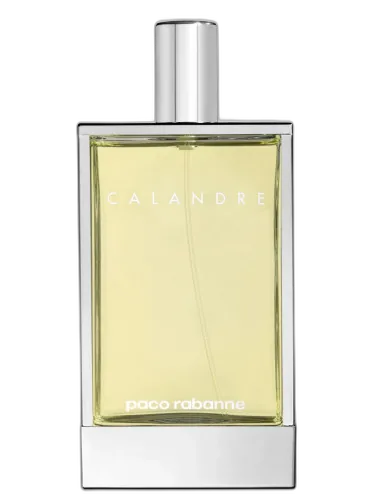
Rabanne
Calandre Rabanne
Shared top notes: aldehydes, bergamot, green notes
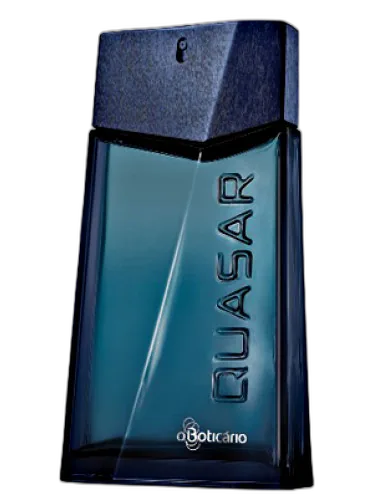
O Boticário
Quasar Quest O Boticário
Shared top notes: bergamot, water notes
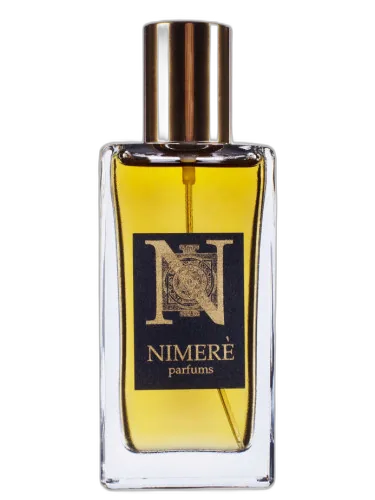
Nimere Parfums
English Novel Nimere Parfums
Shared top notes: aldehydes, bergamot
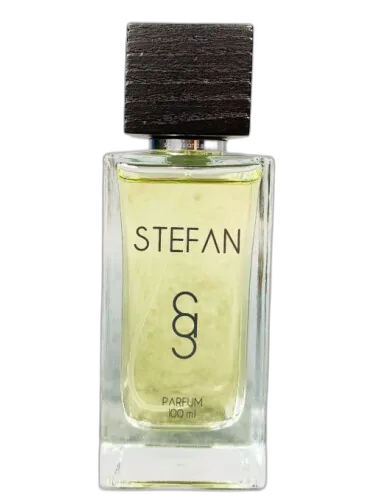
Scents and Style
Stefan Scents And Style
Shared top notes: water notes
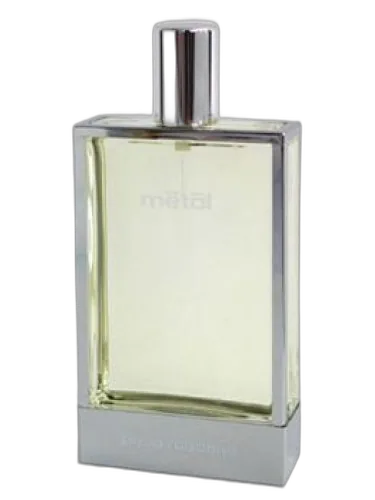
Rabanne
Metal Rabanne
Shared top notes: aldehydes, green notes