
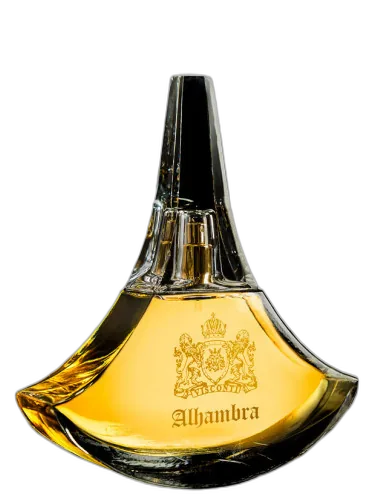

Alhambra Antonio Visconti
At a glance
Is Alhambra Antonio Visconti worth trying?
Alhambra by Antonio Visconti is a Oriental fragrance for women and men.
- Best match
- Evening, Special Occasion wear in Fall, Winter
- Performance feel
- Very Good longevity with Strong sillage
- Signature profile
- amber, balsamic, warm spicy with Labdanum, Coriander, Rose
The first impression
Alhambra by Antonio Visconti is a Oriental fragrance for women and men. The nose behind this fragrance is Antonio Visconti. Top notes are Labdanum, Coriander, Rose and Bergamot; middle notes are Patchouli, Opoponax and Saffron; base notes are Myrrh, Incense, Benzoin, Sandalwood and Agarwood (Oud).
What shapes the scent
The perfumer behind it

Antonio Visconti
Antonio Visconti is an Italian perfumer who creates fragrances under his own name. His collection includes Alhambra, Bal Masqué, Coeur De Vanille, Foliage, Glam Flower, Juicy Flower, La Divina Tubereuse, and Le Sens Du Plaisir. His style ranges from gourmand vanillas to floral and green compositions, often with a luxurious, romantic feel.
Notes pyramid
Top Notes
First impression · 15-30 min
 Labdanum
 Coriander
 Rose
Rose
 Bergamot
Heart Notes
Core character · 2-4 hours
 Patchouli
 Opoponax
 Saffron
Base Notes
Lasting impression · 4+ hours
 Myrrh
Myrrh
 Incense
 Benzoin
 Sandalwood
 Agarwood (Oud)
The mood it creates
The Sage Archetype: Portrait of Alhambra Antonio Visconti
Essence
This person is, above all, a seeker of wisdom. The fragrance Alhambra by Antonio Visconti-with its deep, woody, and slightly smoky elegance-resonates with their soul because it is neither loud nor fleeting, but contemplative and enduring. The Sage archetype defines them: they are drawn to knowledge, reflection, and the quiet mastery of life’s complexities. They do not chase trends but instead cultivate an inner world rich with meaning.
Yet, like all archetypes, the Sage has its shadow. Their pursuit of wisdom can become a retreat from the messiness of human emotion, their love of depth a disdain for simplicity. They may mistake understanding for living, thinking for feeling.
Style & Aesthetic
Their tastes are deliberate, never accidental. They prefer the weight of a well-bound book, the texture of aged leather, the muted glow of candlelight over harsh fluorescents. Their wardrobe leans toward timelessness-tailored but not ostentatious, favoring deep earth tones and fabrics that whisper rather than shout.
They are drawn to art that demands interpretation-Baroque music, modernist poetry, films with ambiguous endings. They savor slow, deliberate pleasures: single-malt whiskey, black coffee, the scent of old libraries. Their home is a curated sanctuary, each object chosen with intention.
Yet this refinement can tip into pretension. They may dismiss what they deem "common" or "superficial," forgetting that wisdom also resides in simplicity. Their disdain for the ephemeral can make them rigid, unable to appreciate joy in its most fleeting forms.
They thrive in solitude but are not antisocial-they simply require silence to hear their own thoughts. They may live in a city but retreat often-to mountain cabins, foreign bookshops, late-night cafés where they can observe the world without being swallowed by it.
They are disciplined, rising early, maintaining rituals that ground them: journaling, meditation, long walks. Yet this discipline can become rigidity. Their love of solitude may isolate them, their self-sufficiency turning into emotional austerity.
Philosophy & Values
They believe in the examined life. Stoicism, existentialism, or Eastern philosophy may guide them, but dogma repels them-they prefer questions to answers. They value intellectual honesty above comfort, often playing devil’s advocate not out of malice but to test ideas against the whetstone of reason.
Their greatest fear is ignorance-not of facts, but of deeper truths. They despise blind conformity, yet their skepticism can become cynicism. They may forget that not all wisdom comes from books; some is written in the heart.
Relationships
They do not collect friends; they cultivate them. Conversations with them are never small talk-they probe, challenge, and reflect. Their closest bonds are with those who share their hunger for meaning, but they struggle with emotional spontaneity. They analyze love before feeling it, dissecting their own emotions as if they were texts to be interpreted.
Romantically, they are drawn to partners who are equally self-possessed, often intellectuals or artists. Yet their detachment can leave lovers feeling like specimens under glass. Their shadow emerges when they intellectualize intimacy, turning passion into a puzzle to solve rather than an experience to surrender to.
Shadow
The Sage’s greatest danger is mistaking knowledge for superiority. They may grow impatient with those who do not share their depth, dismissing them as shallow. Their introspection can become self-absorption, their skepticism a barrier to joy.
But when balanced, they are neither aloof nor condescending-they are guides, not judges. Their wisdom is not a weapon but a lantern, illuminating paths without demanding others follow.
Conclusion
Alhambra suits them because it is a fragrance of layers-smoky yet smooth, complex but never chaotic. Like the scent, they are not easily deciphered, revealing themselves slowly, only to those who take the time to truly listen.
They are the quiet thinker in the corner of the room, the one who speaks sparingly but with weight. Their life is not one of grand gestures but of accumulated insights, a mosaic of meaning built piece by deliberate piece.
And if they sometimes lose themselves in thought, it is only because they are searching for something greater-not just knowledge, but understanding; not just wisdom, but the courage to live it.
If you like this, try these
Fragrances with a comparable profile - shared accords, notes, and character.
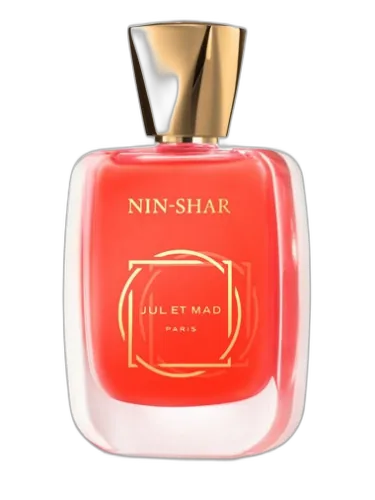
Jul et Mad Paris
Nin-shar Jul Et Mad Paris
Shared top notes: bergamot, rose
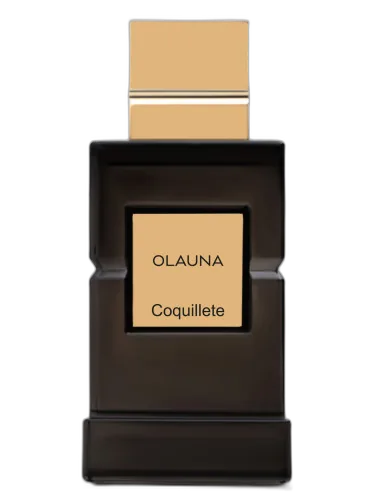
Coquillete
Olauna Coquillete
Shared top notes: bergamot
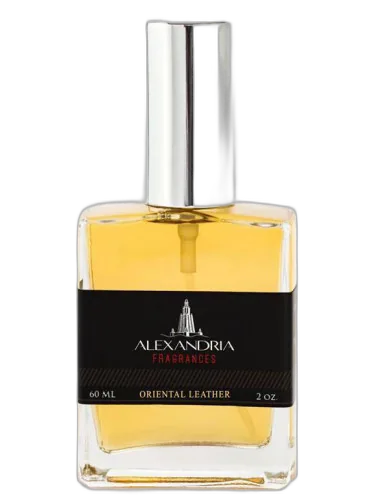
Alexandria Fragrances
Oriental Leather Alexandria Fragrances
Shared top notes: labdanum
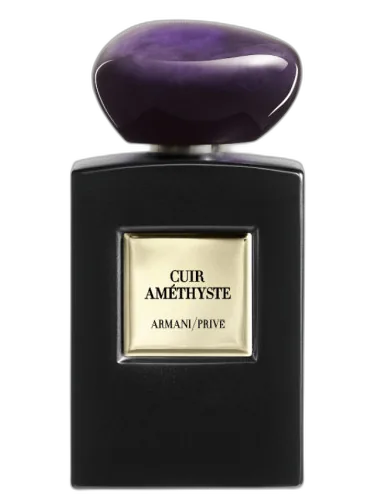
Giorgio Armani
Cuir Amethyste Giorgio Armani
Shared top notes: bergamot, coriander, rose

Bogue
Lita Bogue
Shared top notes: bergamot, coriander