
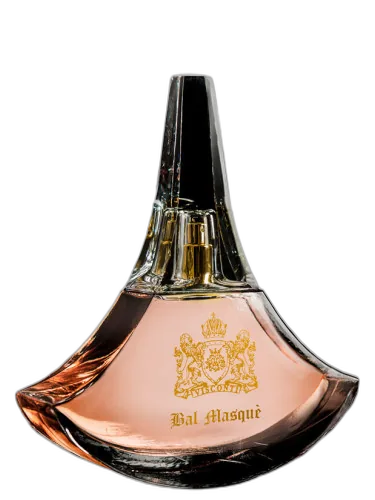

Bal Masqué Antonio Visconti
Fragrance Story
Bal Masqué by Antonio Visconti is a Floral Fruity fragrance for women and men. The nose behind this fragrance is Antonio Visconti. Top notes are Black Currant, Pepper, Bergamot and elemi; middle notes are Iris, Rose and Jasmine; base notes are Vetiver, Licorice, Incense, Sandalwood and Amber.
Composition Profile
About the Perfumer

Antonio Visconti
Antonio Visconti is an Italian perfumer who creates fragrances under his own name. His collection includes Alhambra, Bal Masqué, Coeur De Vanille, Foliage, Glam Flower, Juicy Flower, La Divina Tubereuse, and Le Sens Du Plaisir. His style ranges from gourmand vanillas to floral and green compositions, often with a luxurious, romantic feel.
Fragrance Notes
Top Notes
First impression · 15-30 min
 Black Currant
 Pepper
 Bergamot
 elemi
elemi
Heart Notes
Core character · 2-4 hours
 Iris
Iris
 Rose
Rose
 Jasmine
Base Notes
Lasting impression · 4+ hours
 Vetiver
 Licorice
 Incense
 Sandalwood
 Amber
Amber
Bal Masqué Antonio Visconti by Antonio Visconti offers a distinctive olfactory experience that stands out from other fragrances in its category.
Crafted with the finest ingredients and a blend of traditional and modern perfumery techniques, this fragrance represents the pinnacle of the perfumer's art.
Bal Masqué Antonio Visconti embodies the distinctive style of Antonio Visconti while adding a unique chapter to their fragrance portfolio.
Character Profile
The Bal Masqu Archetype: Portrait of Bal Masqué Antonio Visconti
Essence
The one who wears Bal Masqué by Antonio Visconti is not merely a lover of fragrance-they are a conjurer of illusions, a master of transformation. The Trickster archetype defines them, for they exist in the liminal space between reality and fantasy, between sincerity and performance. Like the fragrance itself-opulent, mysterious, layered with smoky vanilla, incense, and leather-they are a paradox: both inviting and elusive, warm yet untouchable.
The Trickster thrives on reinvention, on the thrill of the masquerade. They are not dishonest, but they are fluid, shifting between roles with an ease that unsettles those who crave fixed identities. Their scent is their costume, their armor, their invitation to a world where nothing is quite as it seems.
Shadow
Yet, for all their allure, there is a hollowness beneath the surface. The same fluidity that makes them fascinating also makes them unreliable. They struggle with commitment-not just to people, but to ideas, to causes, to versions of themselves. Their greatest fear is stagnation, but their escape into perpetual reinvention can leave them rootless, disconnected.
Their wit, sharp as a blade, can turn cruel when challenged. They dismiss sentimentality as weakness, yet secretly envy those who can surrender to raw emotion without irony. The mask they wear is beautiful, but it can become a prison-one they don’t realize they’ve locked themselves inside.
Conclusion
Their tastes are decadent but deliberate-antique books with gilded edges, dimly lit jazz clubs where the music feels like a secret, the slow burn of a fine whiskey rather than the immediacy of vodka. They prefer the weight of history in their surroundings: a velvet chaise lounge, a vintage typewriter, a pocket watch they never wind but keep for the aesthetic. Their wardrobe is a study in controlled excess-tailored blazers with slightly unconventional fabrics, a single piece of statement jewelry, shoes that suggest they might vanish at any moment.
Philosophically, they reject absolutes. Morality is a spectrum, truth is subjective, and identity is a performance. They are drawn to thinkers like Nietzsche himself, who proclaimed, "You must become who you are," but they interpret this as permission to be many things at once. Their values are rooted in freedom-not the reckless kind, but the freedom to shape-shift, to refuse definition.
Similar Fragrances
Fragrances with a comparable profile - shared accords, notes, and character.
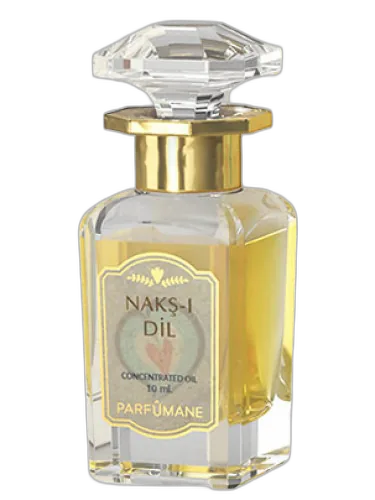
Parfumane
Naks-i Dil Parfumane
Shared accords: aromatic, earthy, floral
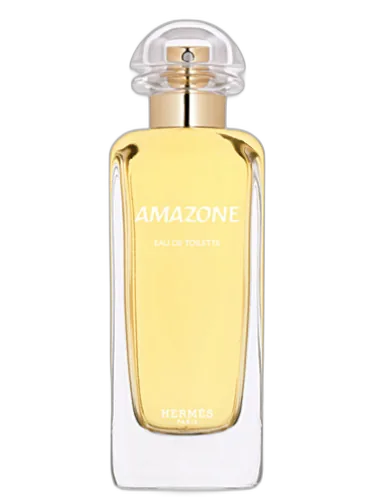
Hermès
Amazone (1974) Hermès
Shared accords: aromatic, earthy, floral
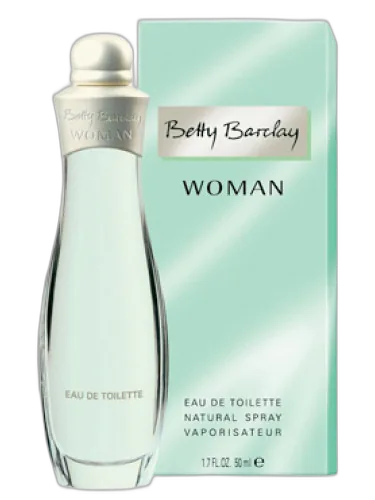
Betty Barclay
Betty Barclay Woman Betty Barclay
Shared accords: aromatic, floral, fresh spicy
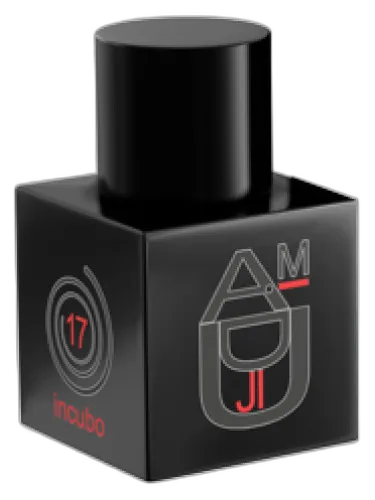
Adjiumi
Incubo Adjiumi
Shared accords: aromatic, earthy, fruity

En Voyage Perfumes
Peche Noir En Voyage Perfumes
Shared accords: aromatic, earthy, floral