
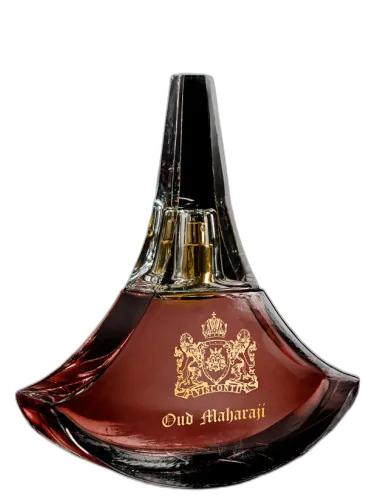

Oud Maharaji Antonio Visconti
At a glance
Is Oud Maharaji Antonio Visconti worth trying?
Oud Maharaji by Antonio Visconti is a Oriental Woody fragrance for women and men.
- Best match
- Evening, Special Occasion wear in Fall, Winter
- Performance feel
- Very Good longevity with Strong sillage
- Signature profile
- woody, fresh spicy, sweet with Fenugreek, Artemisia, Lemon
The first impression
Oud Maharaji by Antonio Visconti is a Oriental Woody fragrance for women and men. Oud Maharaji was launched in 2015. The nose behind this fragrance is Antonio Visconti. Top notes are Fenugreek, Artemisia and Lemon; middle notes are Agarwood (Oud), Sandalwood, Patchouli and Cedar; base notes are Licorice, Tobacco, Vanilla, Ambergris and Musk.
What shapes the scent
The perfumer behind it

Antonio Visconti
Antonio Visconti is an Italian perfumer who creates fragrances under his own name. His collection includes Alhambra, Bal Masqué, Coeur De Vanille, Foliage, Glam Flower, Juicy Flower, La Divina Tubereuse, and Le Sens Du Plaisir. His style ranges from gourmand vanillas to floral and green compositions, often with a luxurious, romantic feel.
Notes pyramid
Top Notes
First impression · 15-30 min
 Fenugreek
 Artemisia
 Lemon
Lemon
Heart Notes
Core character · 2-4 hours
 Agarwood (Oud)
 Sandalwood
 Patchouli
 Cedar
Cedar
Base Notes
Lasting impression · 4+ hours
 Licorice
 Tobacco
 Vanilla
 Ambergris
 Musk
Musk
The mood it creates
The Sovereign Archetype: Portrait of Oud Maharaji Antonio Visconti
Essence
To wear Oud Maharaja by Antonio Visconti is to drape oneself in an aura of regal intensity-a fragrance that speaks of dark woods, smoky resins, and an untamed, almost feral elegance. The person who chooses this scent does not merely wish to smell pleasant; they seek to command presence, to evoke reverence, to be remembered. They are, at their core, a Sovereign-an archetype of power, refinement, and an unshakable sense of self-worth.
The Sovereign is not a ruler by title, but by nature. They move through life with an innate authority, not because they demand it, but because others instinctively yield to their gravity. Their tastes are exacting: they prefer the weight of aged leather, the texture of raw silk, the gleam of polished mahogany. Their home is not cluttered, but curated-each object chosen for its history, its craftsmanship, its ability to endure.
They are drawn to philosophy, not as an academic exercise, but as a means of understanding the architecture of power. They admire Nietzsche’s will to power, Machiavelli’s pragmatism, and the Stoic discipline of Marcus Aurelius. Their worldview is one of controlled intensity: they believe in mastery over chaos, in shaping destiny rather than submitting to it.
In relationships, they are magnetic but guarded. They do not give trust lightly, for they know the weight of betrayal. Their closest bonds are few, but unbreakable-built on mutual respect, not neediness. Romantic partners must match their depth, their independence; anything less feels like a cage.
Shadow
Yet power, when unchecked, turns inward. The Sovereign’s greatest weakness is their pride-the quiet, corrosive belief that they alone know what is best. They dismiss dissent too easily, mistaking disagreement for ignorance.
They can be isolating, mistaking solitude for strength. Their self-reliance becomes a fortress, one that keeps others at a distance even when they crave connection. They may grow impatient with those who do not meet their standards, leaving a trail of abandoned friendships in their wake.
At their worst, they succumb to hubris, believing themselves above consequence. They may manipulate rather than persuade, control rather than collaborate. The very authority that makes them formidable can render them tyrannical.
Conclusion
Their greatest strength is their self-possession. They are unshaken by trends, unmoved by fleeting opinions. When others waver, they stand firm. This gives them a rare clarity in decision-making-they act, rather than react.
They possess an aesthetic rigor, an eye for what lasts. Their style is timeless, never chasing fashion but defining it. They appreciate the slow burn of a well-aged whiskey, the silence of a private library, the deliberate pacing of a Bergman film.
Their loyalty is fierce, though selective. Once someone earns their respect, they will defend them without hesitation. They do not abandon those they value, even when it costs them.
If you like this, try these
Fragrances with a comparable profile - shared accords, notes, and character.
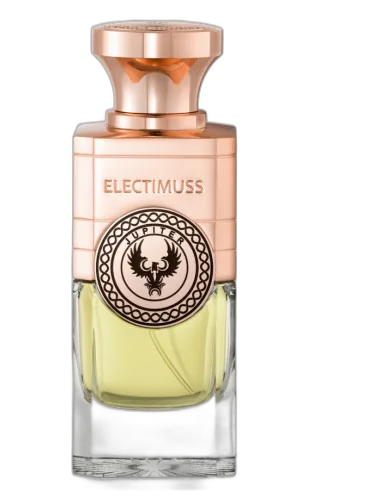
Electimuss
Jupiter Electimuss
Shared heart notes: cedar, patchouli, sandalwood
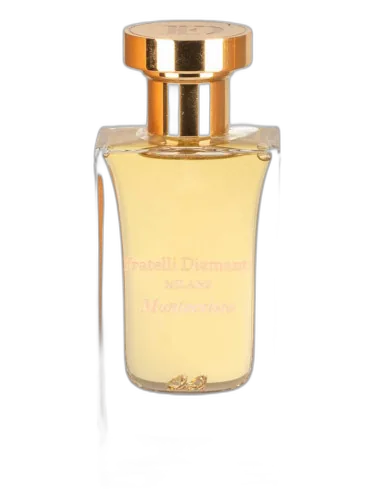
Fratelli Diamanti
Montecristo Fratelli Diamanti
Shared heart notes: cedar, patchouli, sandalwood
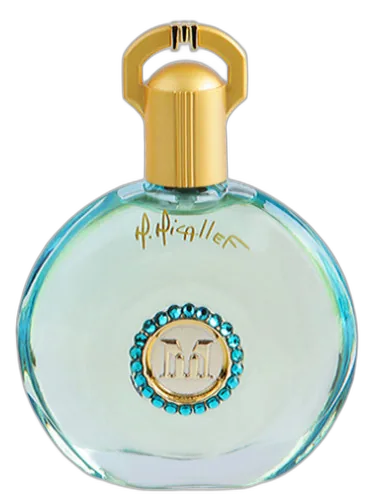
M. Micallef
Night Aoud M. Micallef
Shared heart notes: agarwood (oud), patchouli, sandalwood
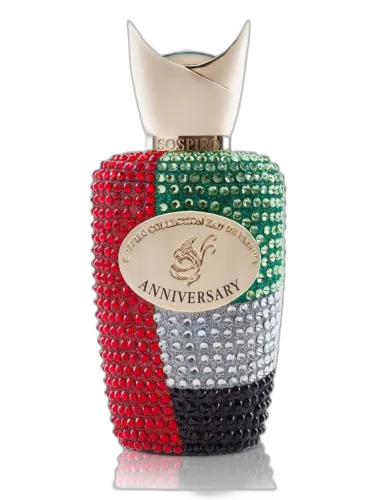
Sospiro Perfumes
Sospiro Anniversary Sospiro Perfumes
Shared heart notes: cedar, patchouli
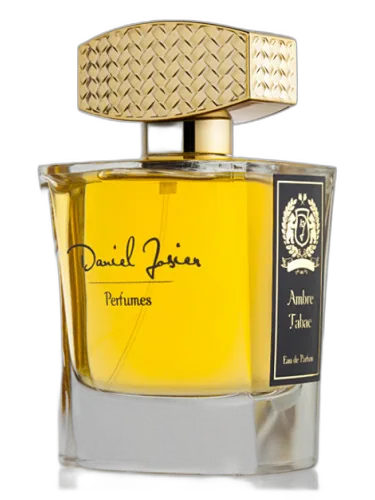
Daniel Josier
Ambre Tabac Daniel Josier
Shared heart notes: patchouli, sandalwood