
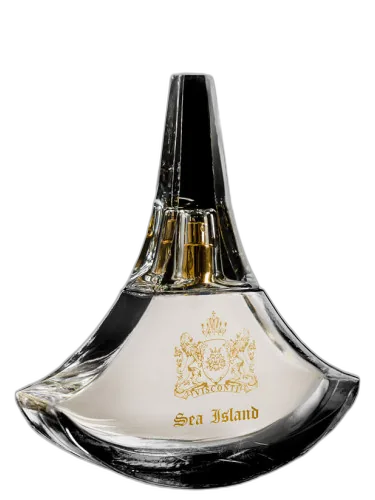

Sea Island Antonio Visconti
At a glance
Is Sea Island Antonio Visconti worth trying?
Sea Island by Antonio Visconti is a Floral Aquatic fragrance for women and men.
- Best match
- Casual wear in Summer
- Performance feel
- Moderate longevity with Moderate sillage
- Signature profile
- marine, aromatic, aquatic with Seaweed, Sea water, Myrtle
The first impression
Sea Island by Antonio Visconti is a Floral Aquatic fragrance for women and men. The nose behind this fragrance is Antonio Visconti. Top notes are Seaweed, Sea water, Myrtle and Bergamot; middle notes are Rosemary, Ylang-Ylang and Rose; base notes are Seaweed, Patchouli and Sandalwood.
What shapes the scent
The perfumer behind it

Antonio Visconti
Antonio Visconti is an Italian perfumer who creates fragrances under his own name. His collection includes Alhambra, Bal Masqué, Coeur De Vanille, Foliage, Glam Flower, Juicy Flower, La Divina Tubereuse, and Le Sens Du Plaisir. His style ranges from gourmand vanillas to floral and green compositions, often with a luxurious, romantic feel.
Notes pyramid
Top Notes
First impression · 15-30 min
 Seaweed
 Sea water
 Myrtle
 Bergamot
Heart Notes
Core character · 2-4 hours
 Rosemary
 Ylang-Ylang
 Rose
Rose
Base Notes
Lasting impression · 4+ hours
Seaweed
 Patchouli
 Sandalwood
The mood it creates
The Lover Archetype: Portrait of Sea Island Antonio Visconti
Essence
Archetype: The Explorer
At the core of this person’s being lies the Explorer, an archetype driven by the need for freedom, discovery, and the uncharted. The scent of Sea Island-salty, fresh, with an undercurrent of something mysterious-mirrors their restless spirit. They are not content with the mundane, the predictable, or the conventional. The sea calls to them, not as a place of escape, but as a vast metaphor for life itself: boundless, untamed, and indifferent to human concerns.
Style & Aesthetic
Their appearance carries the effortless grace of someone who does not try too hard, yet still commands attention. Their wardrobe is a mix of worn-in luxury and practical simplicity-linen shirts that have seen sun and salt, leather sandals softened by use, perhaps a single piece of jewelry with a story behind it. They prefer natural textures, muted blues and grays, as if they are always half-prepared to vanish into the mist.
Their living space, if they have a fixed one, is sparse but intentional. Driftwood sculptures, maps pinned to walls, books on navigation and mythology. They collect experiences, not things.
They may be a traveler, a writer, a sailor, or simply someone who drifts between professions. Routine suffocates them; they thrive on spontaneity. They are as likely to spend a year living on a boat as they are to vanish into a foreign city with nothing but a backpack.
Yet this life is not without cost. The constant motion can leave them rootless, unmoored from any sense of belonging. They may struggle with deep loneliness, disguised as independence.
Philosophy & Values
They believe in movement, in the fluidity of existence. Stagnation is a kind of death, and so they are always seeking-whether it be new places, ideas, or experiences. Their philosophy is one of dynamic equilibrium: they do not crave chaos, but neither do they submit to rigid order. The sea does not apologize for its tides; neither do they for their shifting passions.
Freedom is their highest value, but not in the reckless sense-rather, as the right to define oneself outside of societal expectations. They despise dogma, yet they are not nihilists. They find meaning in the journey itself, in the act of becoming rather than in any fixed destination.
Relationships
They are magnetic, drawing others in with their quiet intensity and stories of distant shores. But intimacy is a paradox for them-they crave deep connection yet fear the anchor of commitment. Their relationships are often intense but transient, like a storm passing over the ocean.
They are not cruel in their detachment; they simply do not know how to stay. Their love is like the tide-present in its fullness, then gone without warning. Those who love them must understand that they are bound to the horizon, not the shore.
Shadow
Their greatest strength-their refusal to be confined-is also their greatest flaw. The Explorer risks becoming the Eternal Fugitive, running not toward something, but away from stability, from depth, from the vulnerability of standing still. They may mistake movement for growth, confusing new experiences with true transformation.
At their worst, they become adrift, disconnected from any sense of home-not just physically, but emotionally. They may leave behind a trail of half-finished projects, abandoned relationships, and unresolved emotions, all in the name of freedom.
Conclusion
The ideal state for them is not to abandon their wandering, but to learn when to pause. To understand that depth is not the enemy of freedom-it is its complement. The sea is vast, but even sailors must sometimes come ashore.
They will always be drawn to the unknown, but wisdom for them lies in recognizing that some treasures are found not in the next port, but in the stillness between journeys.
If you like this, try these
Fragrances with a comparable profile - shared accords, notes, and character.
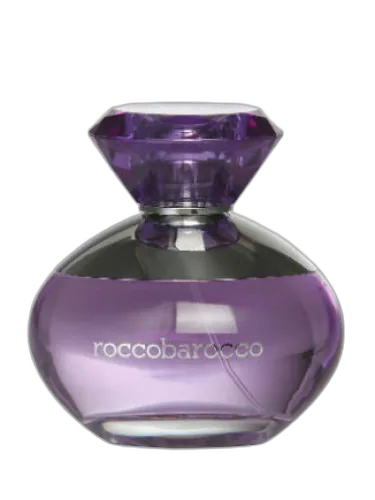
Roccobarocco
Jardin De Capri Violet Roccobarocco
Shared top notes: bergamot, sea water

Off-White™
Solution No.1 Off-white™
Shared top notes: bergamot
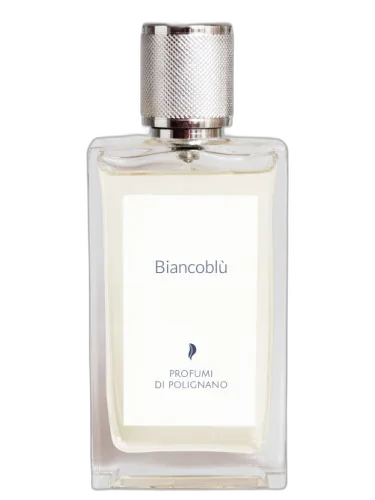
Profumi Di Polignano
Biancoblù Profumi Di Polignano
Shared top notes: bergamot, seaweed
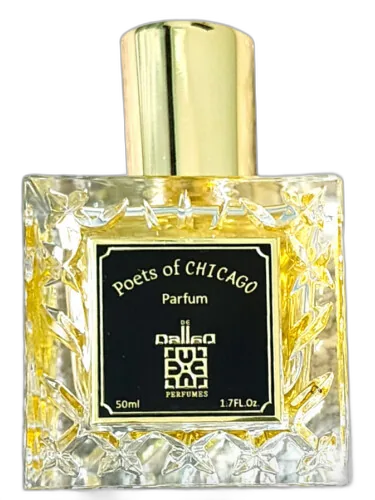
De Dallad Perfumes Olfactive Galleries
Poets Of Chicago De Dallad Perfumes Olfactive Galleries
Shared top notes: bergamot, sea water
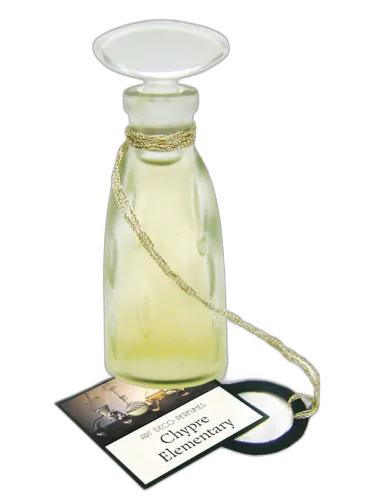
Art Deco Perfumes
Chypre Elementary Art Deco Perfumes
Shared top notes: bergamot