
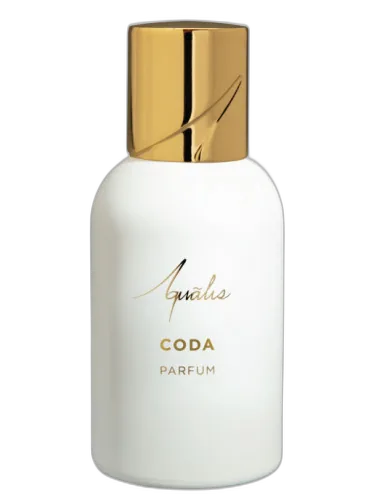

Coda Aqualis
At a glance
Is Coda Aqualis worth trying?
Coda by Aqualis is a Oriental Floral fragrance for women and men.
- Best match
- Evening wear in Fall
- Performance feel
- Very Good longevity with Moderate sillage
- Signature profile
- warm spicy, fruity, woody with Red Berries, Cinnamon, Cassis
The first impression
Coda by Aqualis is a Oriental Floral fragrance for women and men. Coda was launched in 2016. The nose behind this fragrance is Amandine Galliano. Top notes are Red Berries, Cinnamon, Cassis, Bergamot and Green Notes; middle notes are Saffron, Patchouli, Labdanum, Geranium and Jasmine; base notes are Woody Notes, Agarwood (Oud), Amber and Musk.
What shapes the scent
The perfumer behind it

Amandine Galliano
Amandine Galliano is a French perfumer known for her work with the naturalist brand 100 Bon and the contemporary line Aqualis. Her style emphasizes clean, transparent accords that highlight raw materials, as seen in creations like Cuir Vegetal and Zeste D'orange & Oud. She often balances unexpected contrasts, such as leather with freshness or incense with soft cotton, to craft accessible yet distinctive scents.
Notes pyramid
Top Notes
First impression · 15-30 min
 Red Berries
 Cinnamon
 Cassis
 Bergamot
 Green Notes
Heart Notes
Core character · 2-4 hours
 Saffron
 Patchouli
 Labdanum
 Geranium
 Jasmine
Base Notes
Lasting impression · 4+ hours
 Woody Notes
 Agarwood (Oud)
 Amber
Amber
 Musk
Musk
The mood it creates
The Sage Archetype: Portrait of Coda Aqualis
Essence
Coda Aqualis is a scent of paradox-crystalline yet deep, serene yet stirring. Its aquatic freshness suggests clarity, while its woody undertones hint at hidden complexity. The person who chooses this fragrance is drawn to its duality: the surface calm of water and the unseen currents beneath. They are not one to be easily deciphered, nor do they wish to be. Their essence, like the perfume, is an invitation to look closer-but never too close.
Relationships
In love and friendship, they are selective. They do not crave constant company but value those who can match their depth. Their relationships are built on mutual respect for autonomy-they dislike possessiveness or emotional theatrics. When they love, it is with quiet intensity, a loyalty that does not need to be proclaimed.
Yet their detachment can be a double-edged sword. They may struggle with vulnerability, preferring the safety of intellectual discourse over raw emotional exposure. Their partners may sometimes feel that they are being studied rather than embraced. Their shadow is the Hermit, the aspect of the Sage that withdraws too far, mistaking solitude for wisdom and isolation for independence.
Shadow
The Sage’s greatest flaw is the illusion of objectivity. They may believe their rationality exempts them from bias, blind to the ways their own perspectives shape what they "know." Their skepticism, while often valuable, can harden into cynicism, dismissing passion as naivety and faith as folly.
At worst, they become the Detached Critic, observing life from a distance but never fully living it. They may pride themselves on seeing through illusions, yet fail to recognize their own-especially the illusion that understanding something is the same as experiencing it.
Conclusion
At their core, this individual embodies the Sage archetype, the seeker of truth through knowledge and reflection. They are not merely intelligent but profoundly curious, their mind a restless explorer of ideas, patterns, and systems. They value wisdom over dogma, insight over impulse. Their philosophy is one of measured observation-they do not rush to conclusions but let understanding unfold like the slow unfurling of a thought.
Yet the Sage is not merely a passive observer. They engage with the world through analysis, often seeking to distill life’s chaos into elegant principles. They may be drawn to philosophy, science, or art-not as mere hobbies, but as lenses through which to interpret existence. Their conversations are layered, their humor dry and precise. They prefer wit over sentiment, irony over melodrama.
If you like this, try these
Fragrances with a comparable profile - shared accords, notes, and character.
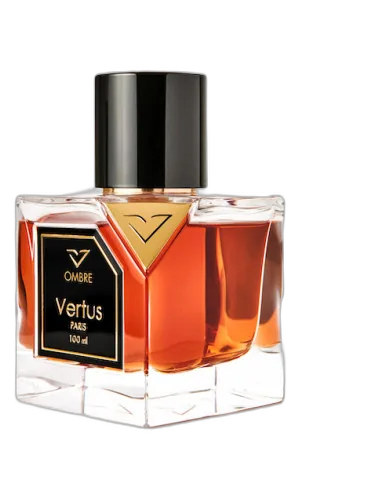
Vertus
Ombre Vertus
Shared top notes: bergamot
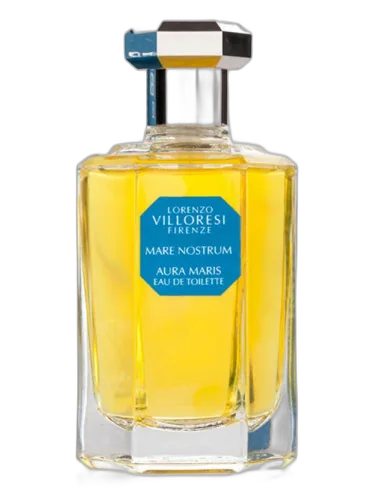
Lorenzo Villoresi
Aura Maris Lorenzo Villoresi
Shared top notes: bergamot, green notes
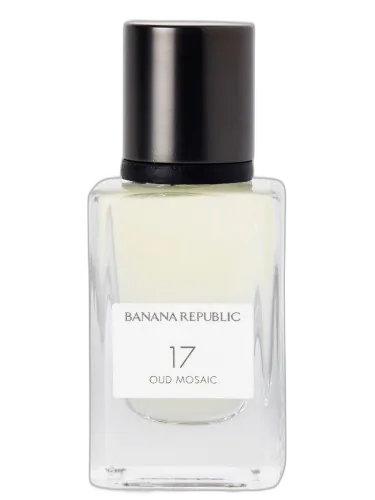
Banana Republic
17 Oud Mosaic Banana Republic
Shared heart notes: labdanum, saffron
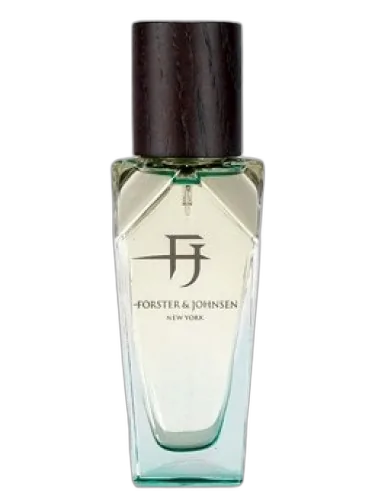
Förster and Johnsen
It’s All About Spa Förster And Johnsen
Shared top notes: bergamot
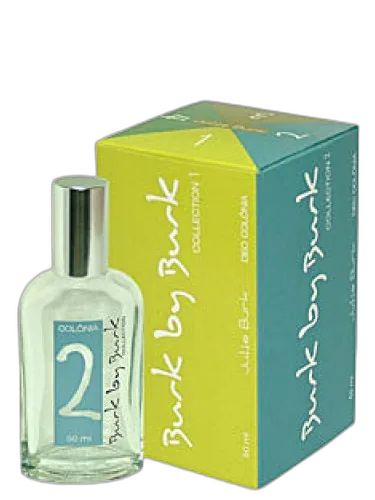
Julie Burk Perfumes
Burk By Burk Collection 2 Julie Burk Perfumes
Shared top notes: bergamot, cassis