
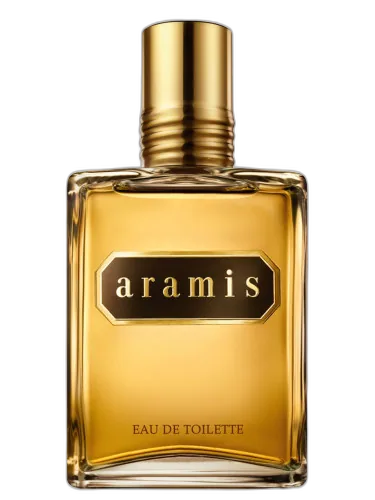
Aramis Aramis
At a glance
Is Aramis Aramis worth trying?
Aramis by Aramis is a Woody Chypre fragrance for men.
- Best match
- Evening, Special Occasion wear in Fall, Winter
- Performance feel
- Very Good longevity with Strong sillage
- Signature profile
- aromatic, woody, earthy with Aldehydes, Myrrh, Artemisia
The first impression
Aramis by Aramis is a Woody Chypre fragrance for men. Aramis was launched in 1966. The nose behind this fragrance is Bernard Chant. Top notes are Aldehydes, Myrrh, Artemisia, Thyme, Clover, Bergamot and Gardenia; middle notes are Patchouli, Sage, Jasmine, Cardamom and Orris Root; base notes are Leather, Oakmoss, Musk, Vetiver, Sandalwood, Amber and Coconut.
What shapes the scent
The perfumer behind it

Bernard Chant
Bernard Chant is a renowned perfumer known for iconic creations such as Aramis, Devin, Gold, and Jhl for Aramis, as well as Aromatics Elixir for Clinique, Imprevu for Coty, and Aliage for Estée Lauder. His work also includes Antonia's Flowers for Antonia's Flowers. Chant's style is marked by bold, complex compositions that have become classics in modern perfumery.
Notes pyramid
Top Notes
First impression · 15-30 min
 Aldehydes
 Myrrh
Myrrh
 Artemisia
 Thyme
Thyme
 Clover
 Bergamot
 Gardenia
Heart Notes
Core character · 2-4 hours
 Patchouli
 Sage
Sage
 Jasmine
 Cardamom
 Orris Root
Base Notes
Lasting impression · 4+ hours
 Leather
 Oakmoss
 Musk
Musk
 Vetiver
 Sandalwood
 Amber
Amber
 Coconut
The mood it creates
The Archetype Archetype: Portrait of Aramis Aramis
Essence
The man who chooses Aramis Aramis as his signature scent is ruled by the Sovereign archetype-a figure of authority, tradition, and self-possession. He is not a king by birthright, but by demeanor. His presence commands respect, not through force, but through an unshakable belief in his own principles. The Sovereign is the architect of his own world, a man who values structure, legacy, and the quiet assertion of power. Yet, like all archetypes, his strength is also his weakness-his rigidity can become tyranny, his confidence can curdle into arrogance, and his need for control may isolate him from spontaneity and vulnerability.
Style & Aesthetic
His wardrobe is a carefully curated archive of timeless masculinity-wool suits in muted tones, cashmere sweaters, leather brogues polished to a mirror shine. He prefers fabrics that age well, just as he does. His home is a sanctuary of dark wood, leather-bound books, and well-placed antiques, each object chosen for its permanence rather than its trendiness.
In fragrance, Aramis Aramis is his armor-a bold, woody chypre with leather, oakmoss, and spice. It is unapologetically masculine, a scent from an era when men were expected to be decisive and self-assured. He does not chase novelty; he seeks the enduring.
His days are measured, deliberate. He rises early, exercises with methodical precision, and approaches work with the focus of a craftsman. Whether he is a CEO, a lawyer, or a professor, he treats his profession as a calling, not a job. Leisure, too, is purposeful-classical music, single-malt scotch, long walks in solitude.
But beneath this composed exterior lies the shadow of the Sovereign-the fear of irrelevance. He may cling to outdated hierarchies, mistrusting change. His need for control can make him resistant to collaboration, and his pride may prevent him from admitting when he is wrong.
Philosophy & Values
He believes in discipline, not as a restriction, but as the foundation of freedom. Chaos is the enemy; structure is salvation. His moral code is unwavering-honor your word, respect tradition, and never betray your principles for convenience. He admires stoicism, seeing emotion as something to be mastered rather than indulged.
Yet, this devotion to order can harden into dogma. He may dismiss new ideas as frivolous, mistaking adaptability for weakness. His insistence on "the right way" can blind him to the beauty of improvisation.
Relationships
In love, he is steadfast but not effusive. He does not woo with grand gestures but with quiet reliability. His partner must understand that his affection is shown through acts, not words-a reserved hand on the small of the back, a perfectly mixed drink waiting at the end of a long day.
Friendships are few but deep. He does not suffer fools, and his circle is small, composed of those who share his values. He is the one others turn to in crisis, the man who will give blunt advice rather than false comfort. But his high standards can make him judgmental, and his reluctance to show vulnerability may leave even those closest to him feeling at a distance.
Shadow
When unbalanced, the Sovereign becomes the Tyrant. His confidence turns to condescension; his principles become prisons. He may grow rigid, dismissing those who challenge him as inferior rather than engaging with their perspectives. His disdain for weakness can make him cruel in moments of others' vulnerability.
Yet, if he integrates his shadow, he learns that true strength lies not in domination but in wisdom-the ability to lead without crushing, to stand firm without becoming immovable.
Conclusion
The man who wears Aramis Aramis is not merely a relic of the past-he is a testament to the enduring power of self-possession. His life is a carefully composed symphony, each note placed with intention. But the question remains: Is he the composer, or is he the instrument? To wear the crown is to bear its weight, and only those who learn to bend can avoid breaking.
If you like this, try these
Fragrances with a comparable profile - shared accords, notes, and character.
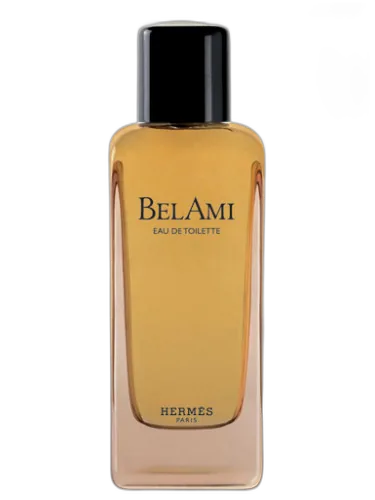
Hermès
Bel Ami Hermès
Shared top notes: bergamot
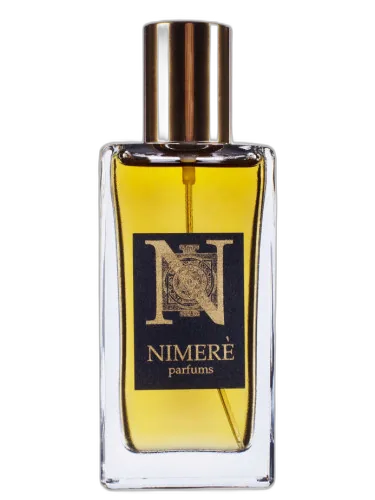
Nimere Parfums
English Novel Nimere Parfums
Shared top notes: aldehydes, bergamot

Rochas
Macassar Rochas
Shared top notes: artemisia, bergamot
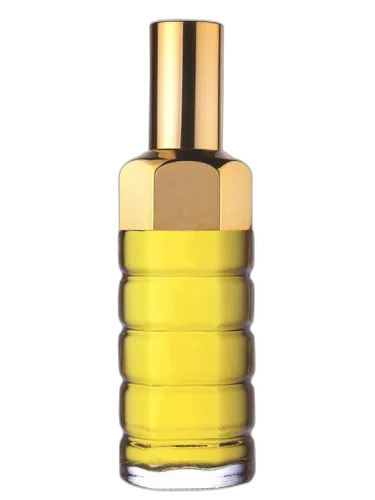
Estée Lauder
Azuree Estée Lauder
Shared top notes: aldehydes, artemisia, bergamot
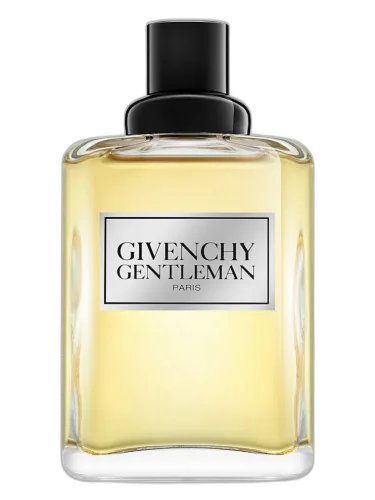
Givenchy
Gentleman (1974) Givenchy
Shared top notes: bergamot