

Gold Aramis
At a glance
Is Gold Aramis worth trying?
Gold by Aramis is a Aromatic Green fragrance for men.
- Best match
- Casual wear in Spring, Fall
- Performance feel
- Moderate longevity with Moderate sillage
- Signature profile
- warm spicy, woody, earthy with Bergamot, Green Notes, Herbal Notes
The first impression
Gold by Aramis is a Aromatic Green fragrance for men. Gold was launched in 1966. The nose behind this fragrance is Bernard Chant. Top notes are Bergamot, Green Notes and Herbal Notes; middle notes are Cardamom, Sandalwood, Cloves, Vetiver and Patchouli; base notes are Leather and Oakmoss.
What shapes the scent
The perfumer behind it

Bernard Chant
Bernard Chant is a renowned perfumer known for iconic creations such as Aramis, Devin, Gold, and Jhl for Aramis, as well as Aromatics Elixir for Clinique, Imprevu for Coty, and Aliage for Estée Lauder. His work also includes Antonia's Flowers for Antonia's Flowers. Chant's style is marked by bold, complex compositions that have become classics in modern perfumery.
Notes pyramid
Top Notes
First impression · 15-30 min
 Bergamot
 Green Notes
 Herbal Notes
Heart Notes
Core character · 2-4 hours
 Cardamom
 Sandalwood
 Cloves
 Vetiver
 Patchouli
Base Notes
Lasting impression · 4+ hours
 Leather
 Oakmoss
The mood it creates
The Sovereign Archetype: Portrait of Gold Aramis
Essence
The person who favors Gold Aramis is most closely aligned with the Sovereign archetype-a figure of authority, refinement, and enduring presence. This is not the brash conqueror, but the assured ruler who commands respect through subtlety rather than force. Their essence is one of timeless elegance, a quiet confidence that does not shout but lingers, like the rich, woody warmth of their chosen scent.
Gold Aramis-opulent, polished, and structured-reflects a personality that values tradition, mastery, and control. The Sovereign does not chase trends; they embody a standard. Their presence is deliberate, their choices measured, their aesthetic an extension of an inner philosophy: To rule oneself is the highest form of power.
Style & Aesthetic
Their tastes are classical but never antiquated. They appreciate the weight of history-fine leather, dark woods, tailored suits-but wear it with modern ease. Their wardrobe is curated, not cluttered; each piece serves a purpose, each accessory a statement. They disdain excess, preferring the precision of a well-made watch or the understated luxury of a cashmere coat.
In art and music, they gravitate toward works that have stood the test of time-Bach’s fugues, Caravaggio’s chiaroscuro, the restrained power of mid-century modern design. They do not chase novelty for its own sake but seek depth in craftsmanship.
Philosophy & Values
The Sovereign believes in order, not as rigidity, but as harmony. They see chaos as inelegant, a failure of will. Their guiding principle is noblesse oblige-the idea that privilege (whether of intellect, taste, or position) carries responsibility. They expect excellence from themselves and, often unfairly, from others.
They value loyalty but are slow to trust. Their relationships are built on mutual respect, not sentimentality. They do not suffer fools, though they may tolerate them with detached politeness. Their sense of duty is strong, but it is a duty to principles, not people-a distinction that can make them seem cold.
Relationships
They are not gregarious but are far from reclusive. Their social circle is small, carefully selected. They prefer conversations of substance-philosophy, politics, the mechanics of mastery-over idle chatter. When they speak, others listen; their words carry weight.
Romantically, they seek a partner who is their equal-someone who understands the unspoken rules of their world. They are not prone to grand romantic gestures but express devotion through constancy, through the quiet assurance of presence. Their love is not fiery but enduring, like embers rather than flames.
Shadow
Every Sovereign risks becoming a Tyrant. Their strength-self-discipline, discernment, authority-can curdle into rigidity, arrogance, or detachment. When unbalanced, they mistake control for wisdom, dismissing anything that disrupts their order as inferior. Their disdain for mediocrity can become contempt. Their expectation of excellence can become impatience with human frailty.
The greatest danger for the Sovereign is isolation-not physical solitude, but the emotional distance that comes from believing they must always be above, never beside. If they forget that even kings must kneel-to love, to humility, to the unpredictable currents of life-they risk ruling over an empty kingdom.
Conclusion
Gold Aramis is not a scent for the uncertain. It is for those who have claimed their place in the world and wear it without apology. The Sovereign who wears it is a study in controlled power-a reminder that true authority does not need to announce itself.
But like all archetypes, the Sovereign must remember: mastery is not dominion over others, but over oneself. The finest rulers are those who know when to lay down the crown-if only for a moment-and simply breathe.
If you like this, try these
Fragrances with a comparable profile - shared accords, notes, and character.
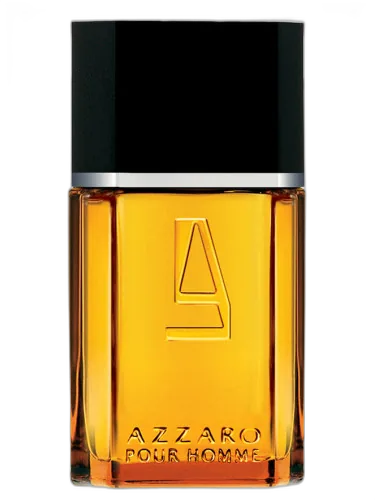
Azzaro
Azzaro Pour Homme Azzaro
Shared top notes: bergamot
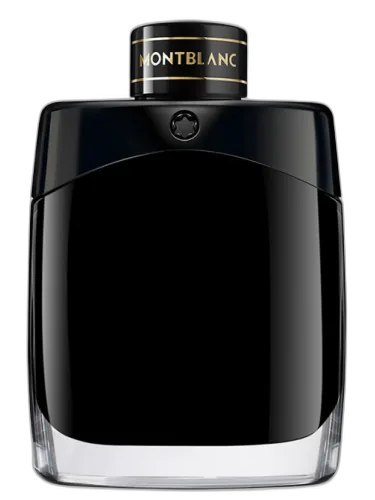
Montblanc
Legend Eau De Parfum Montblanc
Shared top notes: bergamot

Le Tour de France
Le Tour De France Le Tour De France
Shared heart notes: cardamom, patchouli, sandalwood
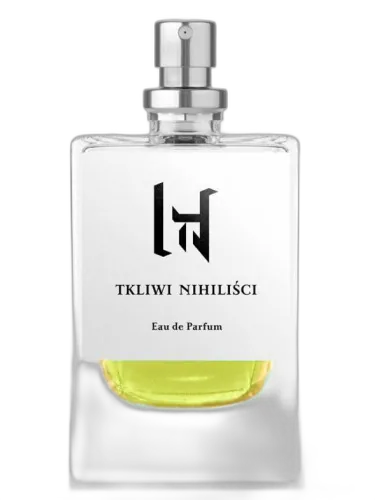
Tkliwi Nihilisci
L'eau De Parfum N°1 Tkliwi Nihilisci
Shared top notes: bergamot
Bale Perfumes
Trial Of The Grasses (próba Traw) Bale Perfumes
Shared heart notes: vetiver