
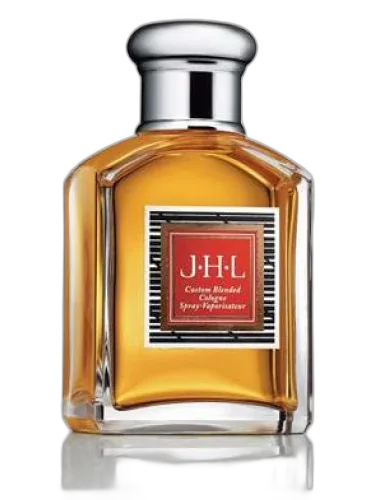
Jhl Aramis
At a glance
Is Jhl Aramis worth trying?
JHL by Aramis is a Oriental fragrance for men.
- Best match
- Evening, Special Occasion wear in Fall, Winter
- Performance feel
- Good longevity with Strong sillage
- Signature profile
- warm spicy, amber, woody with Aldehydes, Orange, Fruity Notes
The first impression
JHL by Aramis is a Oriental fragrance for men. JHL was launched in 1982. The nose behind this fragrance is Bernard Chant. Top notes are Aldehydes, Orange, Fruity Notes, Bergamot and Lemon; middle notes are Cinnamon, Carnation, Rose, Ylang-Ylang, Fir and Jasmine; base notes are Benzoin, Amber, Sandalwood, Patchouli, Musk, Labdanum and Vanilla.
What shapes the scent
The perfumer behind it

Bernard Chant
Bernard Chant is a renowned perfumer known for iconic creations such as Aramis, Devin, Gold, and Jhl for Aramis, as well as Aromatics Elixir for Clinique, Imprevu for Coty, and Aliage for Estée Lauder. His work also includes Antonia's Flowers for Antonia's Flowers. Chant's style is marked by bold, complex compositions that have become classics in modern perfumery.
Notes pyramid
Top Notes
First impression · 15-30 min
 Aldehydes
 Orange
 Fruity Notes
 Bergamot
 Lemon
Lemon
Heart Notes
Core character · 2-4 hours
 Cinnamon
 Carnation
 Rose
Rose
 Ylang-Ylang
 Fir
Fir
 Jasmine
Base Notes
Lasting impression · 4+ hours
 Benzoin
 Amber
Amber
 Sandalwood
 Patchouli
 Musk
Musk
 Labdanum
 Vanilla
The mood it creates
The Sovereign Archetype: Portrait of Jhl Aramis
Essence
This man is ruled by the Sovereign archetype-a figure of authority, refinement, and self-possession. He is not a king by birthright but by temperament, carrying himself with an unspoken command that demands respect without asking for it. The Sovereign is not merely about power; it is about presence, the ability to shape one’s world through sheer will and discernment. JHL Aramis, with its rich leather, spices, and dark florals, is his olfactory crown-an assertion of dominance softened by sophistication.
Relationships
He does not suffer fools, but those who earn his respect find a steadfast ally. His friendships are few but deep, built on mutual admiration and unspoken understanding. Romantic partners must match his intensity-he is drawn to those who are equally self-assured, who challenge him without diminishing him. He is not prone to grand gestures of affection, but his loyalty is absolute.
Shadow
The Sovereign’s strength is also his weakness. His confidence can harden into arrogance; his discernment into disdain. He may dismiss those he deems unworthy too quickly, mistaking his own standards for universal law. There is a rigidity to him-an unwillingness to bend, even when flexibility would serve him better.
At his worst, he becomes isolated, mistaking solitude for strength. He may grow impatient with vulnerability, both in himself and others, seeing it as a flaw rather than a necessity of the human condition. The very qualities that make him formidable can also make him unyielding, even to his own detriment.
Conclusion
His tastes are classical but never antiquated. He prefers tailored suits that whisper rather than shout, fabrics that age with dignity. His home is a curated space-dark woods, leather-bound books, perhaps a well-stocked bar with single-malt Scotch. He does not chase trends; he selects what endures.
Philosophically, he believes in order, discipline, and the slow mastery of craft. He admires stoicism but is not cold; rather, he sees restraint as the highest form of self-expression. His values are rooted in integrity-his word is his bond, and he expects the same from others.
If you like this, try these
Fragrances with a comparable profile - shared accords, notes, and character.

Jacques Bogart
Witness Jacques Bogart
Shared top notes: aldehydes, bergamot, lemon
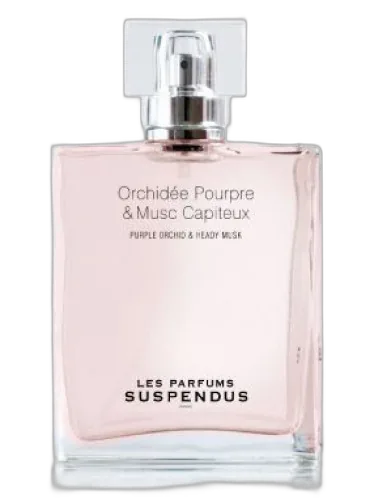
Les Parfums Suspendus
Orchidée Pourpre & Musc Capiteux Les Parfums Suspendus
Shared top notes: bergamot, lemon, orange
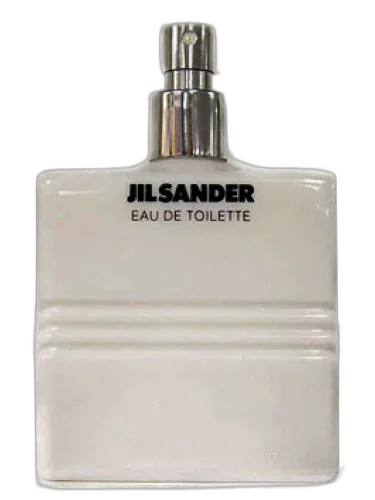
Jil Sander
Jil Sander Bath And Beauty Jil Sander
Shared top notes: aldehydes, bergamot, fruity notes

Pierre Cardin
Enigme Pierre Cardin
Shared top notes: bergamot, lemon, orange
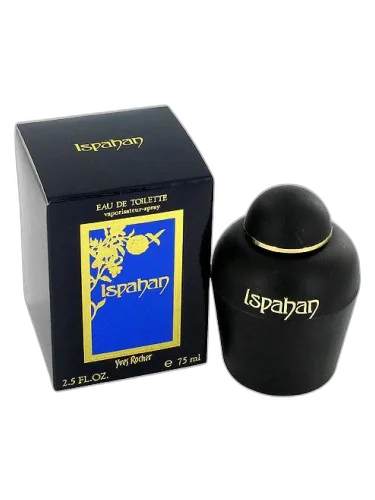
Yves Rocher
Ispahan Yves Rocher
Shared top notes: aldehydes, bergamot, fruity notes