
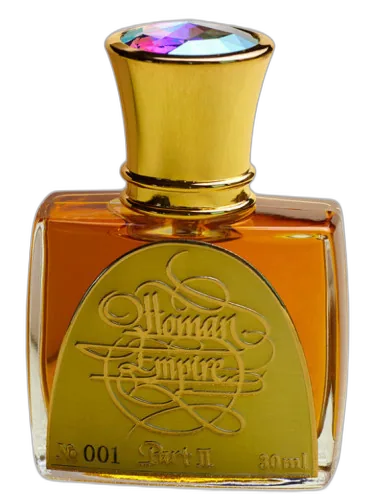
Ottoman Empire Part Ii Areej Le Doré
At a glance
Is Ottoman Empire Part Ii Areej Le Doré worth trying?
Ottoman Empire Part II by Areej Le Doré is a Oriental Floral fragrance for women and men.
- Best match
- Evening, Special Occasion wear in Fall, Winter
- Zodiac
- Best for Scorpio
- Performance feel
- Very Good longevity with Strong sillage
- Signature profile
- warm spicy, oud, floral with Rose, Bulgarian Rose, Rose Oil
The first impression
Ottoman Empire Part II by Areej Le Doré is a Oriental Floral fragrance for women and men. Ottoman Empire Part II was launched in 2019. The nose behind this fragrance is Russian Adam. Top notes are Rose, Bulgarian Rose, Rose Oil, White Rose, Frangipani, Jasmine, Cardamom and Pepper; middle notes are Indian Oud, Frangipani, Agarwood (Oud), Saffron, Cinnamon, Nutmeg and Vetiver; base notes are Amber, Sandalwood, Myrrh and Oakmoss.
What shapes the scent
The perfumer behind it

Russian Adam
Russian Adam is the founder and perfumer of Areej Le Doré, known for luxurious, natural-based fragrances. His portfolio includes Agar De Noir, Al Ambar, and Atlantic Ambergris, which often feature rare ingredients like oud and ambergris. He is celebrated for his artisanal approach and rich, complex compositions.
Notes pyramid
Top Notes
First impression · 15-30 min
 Rose
Rose
 Bulgarian Rose
Rose Oil
White Rose
Bulgarian Rose
Rose Oil
White Rose
 Frangipani
 Jasmine
 Cardamom
 Pepper
Heart Notes
Core character · 2-4 hours
 Indian Oud
Frangipani
Indian Oud
Frangipani
 Agarwood (Oud)
 Saffron
 Cinnamon
 Nutmeg
 Vetiver
Base Notes
Lasting impression · 4+ hours
 Amber
Amber
 Sandalwood
 Myrrh
Myrrh
 Oakmoss
The mood it creates
The Sovereign Archetype: Portrait of Ottoman Empire Part Ii Areej Le Doré
Essence
The Sovereign rules with quiet authority, commanding respect through presence rather than force. Ottoman Empire Part II embodies this archetype with its regal bouquet of Bulgarian rose, oud, and saffron-notes historically reserved for royalty. Like a monarch's silent gaze, the fragrance needs no fanfare; its very composition (triple rose variants, aged oud) speaks of inherited power and cultivated refinement.
Style & Aesthetic
They wear structured silhouettes in rich fabrics: brocade waistcoats, heavy silk skirts that whisper when moving. Their home features low divans, hammered brass trays, and always fresh flowers-a mirror to the perfume's floral-spicy opulence. Every detail is considered, from the way they pour tea to the deliberate application of this scent at the collarbones.
Philosophy & Values
Tradition is their compass, but not their cage. The perfume's blend of classical rose-oud with unexpected frangipani reflects their belief in honoring lineage while making it one's own. They value discernment above all, much like the perfumer's selection of only the most precious ingredients.
Relationships
Their inner circle is small but fiercely loyal. Romantic partners must understand that devotion to craft (symbolized by the perfume's intricate layering) comes before all else. They attract admirers easily but keep confidants for decades, like the scent's base notes that persist through hours of wear.
Lifestyle
Mornings begin with reviewing correspondence at a carved desk, afternoons spent receiving guests in sunlit courtyards. Evenings are for private contemplation-perhaps polishing heirloom silver while the myrrh and oakmoss drydown lingers. Their year revolves around ceremonial occasions (fall/winter) when this fragrance shines brightest.
Shadow
Pride can curdle into isolation. The very richness that makes the fragrance (and the Sovereign) compelling may become a barrier-like too much spice overwhelming the rose. At worst, they risk becoming a relic in their own museum, more invested in preserving image than nurturing connection.
Conclusion
Ottoman Empire Part II is less a perfume than a coronation in liquid form. To wear it is to assume an invisible mantle of authority, to walk as one who understands that true power lies not in domination, but in the quiet confidence of knowing what endures.
If you like this, try these
Fragrances with a comparable profile - shared accords, notes, and character.
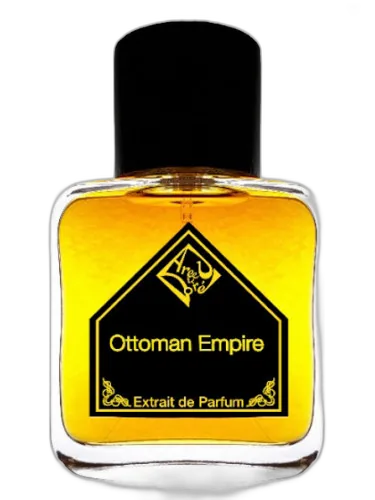
Areej Le Doré
Ottoman Empire Areej Le Doré
Shared top notes: bulgarian rose, cardamom, frangipani
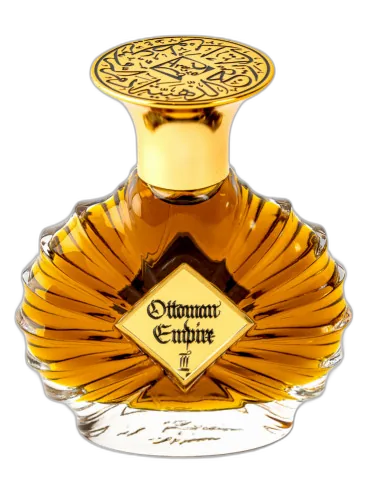
Areej Le Doré
Ottoman Empire Iii Areej Le Doré
Shared top notes: bulgarian rose, cardamom, frangipani
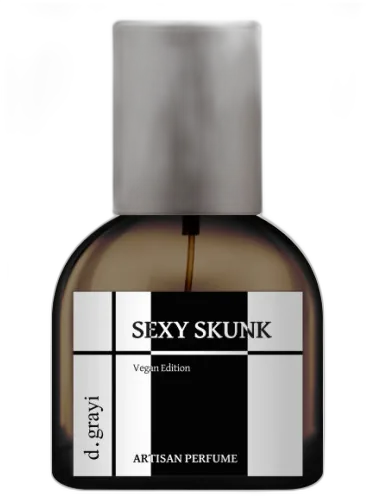
d.grayi
Sexy Skunk (vegan Edition) D.grayi
Shared top notes: rose
Montale
Amber & Spices Montale
Shared top notes: rose
Amberfig
Ténèbres Amberfig
Shared heart notes: agarwood (oud), vetiver