
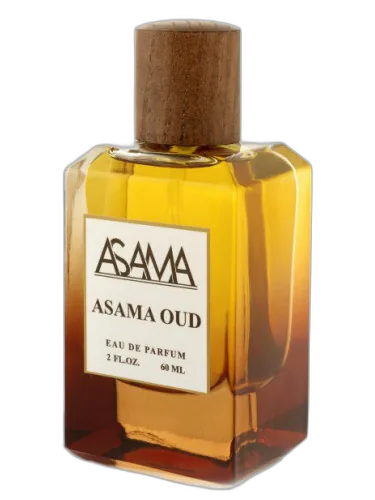

Asama Oud Asama Perfumes
At a glance
Is Asama Oud Asama Perfumes worth trying?
Asama Oud by ASAMA Perfumes is a Oriental Woody fragrance for women and men.
- Best match
- Evening, Special Occasion wear in Fall, Winter
- Performance feel
- Very Good longevity with Strong sillage
- Signature profile
- amber, oud, woody with Agarwood (Oud), French labdanum, Kephalis
The first impression
Asama Oud by ASAMA Perfumes is a Oriental Woody fragrance for women and men. Asama Oud was launched in 2015. Asama Oud was created by Ahmed Mohammed Al Refai and Abdulwahab Mohammed Al Refai. Top note is Agarwood (Oud); middle note is French labdanum; base note is Kephalis.
What shapes the scent
The perfumer behind it

Abdulwahab Mohammed Al Refai
Abdulwahab Mohammed Al Refai is the perfumer behind ASAMA Perfumes, crafting the brand’s full olfactory identity. His style centers on bold, resinous compositions that often highlight rich oud and marine accords. Notable creations from the catalog include Asama Oud, Arabian Storm, and Blue Marlin, each showcasing his ability to blend traditional Arabian ingredients with fresh, aquatic themes.
Notes pyramid
Top Notes
First impression · 15-30 min
 Agarwood (Oud)
Heart Notes
Core character · 2-4 hours
 French labdanum
Base Notes
Lasting impression · 4+ hours
 Kephalis
The mood it creates
The Mystic Archetype: Portrait of Asama Oud Asama Perfumes
Essence
Asama Oud is the scent of the Mystic, one who seeks the divine in the spaces between breaths. The singular focus on oud-earthy, medicinal, profound-reflects a mind attuned to the unseen. Labdanum’s resinous glow suggests inner illumination, while kephalis in the base grounds the ethereal in the body.
They move through the world as if listening to a whisper only they can hear. This fragrance is not worn; it is anointed, a sacred oil for those who walk the razor’s edge between worlds.
Style & Aesthetic
Their wardrobe is monastic in its simplicity-flowing linen, unadorned wool, perhaps a single piece of silver jewelry. Colors are neutral: sand, charcoal, the deep brown of aged wood. They favor textures that age beautifully, acquiring patina over time.
Their living space is sparse but intentional: a low table for meditation, a niche for burning oud chips, a window positioned to catch the first light. Every object serves a purpose; nothing is superfluous.
Philosophy & Values
Silence is their scripture. They believe truth is found in emptiness, not accumulation. The oud’s complexity-at once woody, animalic, and medicinal-mirrors their understanding of the divine as something beyond human categories.
They value presence over productivity, depth over breadth. Time is cyclical to them; the kephalis note evokes the eternal return, the way all things dissolve and reform.
Relationships
They attract seekers and skeptics in equal measure. Their relationships are intense but intermittent, as they require long periods of solitude. Romantic partners must understand that their primary commitment is to the unseen.
They teach without words, their mere presence often enough to unsettle or inspire. Their closest bonds are with those who also hear the hum beneath the world’s noise.
Lifestyle
Dawn finds them in meditation, dusk in contemplation. They might work as a calligrapher, a healer, or a guide in sacred places. Meals are simple and seasonal, eaten with mindful attention.
Pilgrimage is central to their life-not necessarily to physical sites, but to states of being. A walk through a pine forest can be as holy as Mecca if undertaken with the right awareness.
Shadow
Their detachment can curdle into isolation. The oud’s smokiness hints at a tendency to vanish into abstraction, leaving earthly responsibilities unattended. At worst, they mistake solitude for superiority, becoming the hermit who hoards wisdom rather than sharing it.
They must remember that enlightenment means returning to the marketplace with open hands.
Conclusion
Asama Oud is the Mystic’s companion, a scent that anchors even as it elevates. Its unadorned structure-oud, labdanum, kephalis-reflects the stripping away required to touch the essential. To wear it is to carry a prayer in liquid form, a reminder that the sacred is always here, waiting to be noticed.
If you like this, try these
Fragrances with a comparable profile - shared accords, notes, and character.
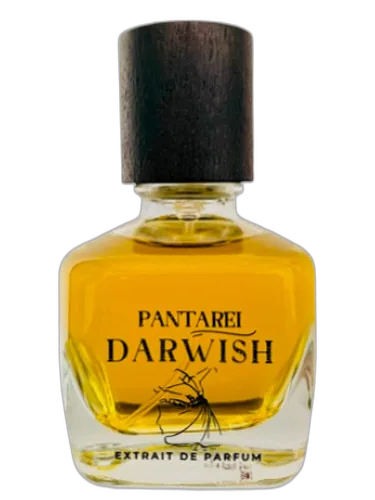
PantaRei
Pantarei Darwish Pantarei
Shared top notes: agarwood (oud)
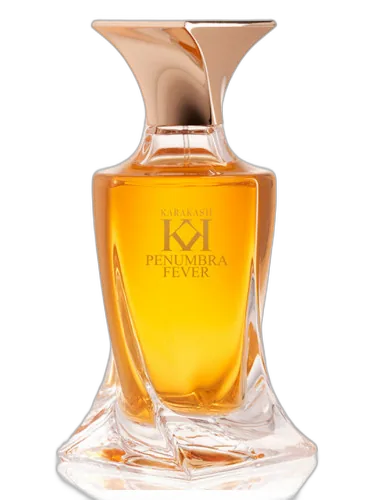
Karakash Perfume
Penumbra Fever Karakash Perfume
Shared top notes: agarwood (oud)
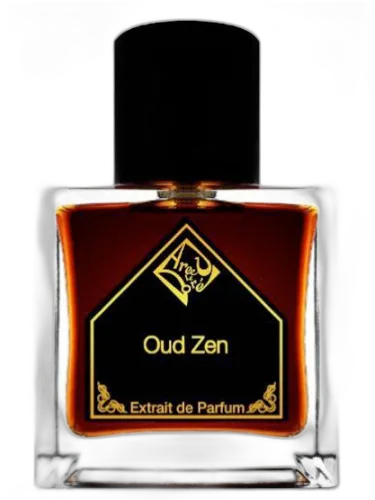
Areej Le Doré
Oud Zen Areej Le Doré
Shared top notes: agarwood (oud)

NSHQ
Royal Nouf Oud Nshq
Shared top notes: agarwood (oud)

Areej Le Doré
Oud Zhen Areej Le Doré
Shared top notes: agarwood (oud)