


Wild Is The Wind Atelier De Geste
At a glance
Is Wild Is The Wind Atelier De Geste worth trying?
Wild is the Wind by Atelier de Geste is a Floral Woody Musk fragrance for women and men.
- Best match
- Evening wear in Fall
- Performance feel
- Good longevity with Moderate sillage
- Signature profile
- woody, leather, mineral with Leather, Coal, Woody Notes
The first impression
Wild is the Wind by Atelier de Geste is a Floral Woody Musk fragrance for women and men. Wild is the Wind was launched in 2012.
What shapes the scent
The perfumer behind it

Unknown Perfumer
Notes pyramid
All Notes
Complete scent profile
 Leather
 Coal
Coal
 Woody Notes
 Musk
Musk
 Rose
Rose
The mood it creates
The Wanderer Archetype: Portrait of Wild Is The Wind Atelier De Geste
Essence
To love Wild Is The Wind by Atelier Des Gens is to embrace the untamed, the fleeting, the whispers of nature that refuse to be contained. This fragrance-raw, poetic, and unrestrained-belongs to one who is neither fully of this world nor entirely apart from it. They are the Wanderer, an archetype of perpetual motion, drawn to the horizon not out of restlessness, but out of a deep, almost spiritual necessity to seek what lies beyond the known.
The Wanderer is not a mere traveler; they are a philosopher of movement. Their life is a series of encounters-some brief, some lingering-but all leave their mark. They are drawn to the scent of dry earth after rain, the crispness of mountain air, the faint musk of old books in foreign libraries. Their tastes are eclectic but never arbitrary; they collect experiences like rare artifacts, each one a fragment of a larger, ever-shifting mosaic.
In style, they favor the unrefined elegance of natural textures-linen that wrinkles with use, leather worn smooth by time, wool that carries the scent of distant fires. Their aesthetic is one of quiet defiance against the polished and predictable. They do not dress to impress, but to feel-each garment a second skin, each choice an extension of their inner landscape.
Philosophy & Values
The Wanderer’s philosophy is rooted in the belief that truth is not found in permanence, but in motion. They distrust dogma, institutions, and rigid structures, seeing them as cages for the spirit. Their values are fluid, shaped by the landscapes they traverse and the souls they meet. They prize authenticity above all else, and their greatest contempt is reserved for those who live by borrowed convictions.
Yet this very freedom is both their strength and their curse. Their refusal to be anchored allows them to see the world with rare clarity, but it also means they struggle with commitment-to places, to people, to causes. They may leave lovers with the same ease they leave cities, not out of cruelty, but because staying feels like a betrayal of their nature.
Relationships
The Wanderer loves deeply but fleetingly. Their relationships are intense, poetic, and often marked by an unspoken understanding that they will not stay. They are drawn to kindred spirits-artists, dreamers, fellow seekers-but they resist being claimed. To love them is to accept that they belong, first and always, to the wind.
This does not make them cold. On the contrary, they are capable of profound tenderness, but it is a tenderness that exists in the present tense. They do not promise forever, and those who demand it will only push them away. Their shadow here is a quiet loneliness-a fear that, in refusing to be held, they may one day find themselves with no home to return to.
Shadow
For all their wisdom, the Wanderer is not immune to the darker currents of their nature. Their independence can curdle into rootlessness, their curiosity into a refusal to ever truly know anything. They may mistake motion for growth, confusing the accumulation of experiences with true depth.
At their worst, they become the Exile-a figure who wanders not out of love for the world, but out of an inability to belong anywhere. They may grow cynical, dismissing those who choose stability as cowards, or they may fall into a melancholic nostalgia, forever chasing a feeling they can never recapture.
Conclusion
The lover of Wild Is The Wind is neither hero nor outcast, but something in between-a soul who understands that the journey is the destination. They are flawed, yes, but their flaws are the price of their freedom. And though they may never settle, they leave behind them a trail of stories, impressions, and fleeting moments of beauty-proof that some spirits are meant to roam, not to rest.
If you like this, try these
Fragrances with a comparable profile - shared accords, notes, and character.

Alkemia Perfumes
Lady Krampus Alkemia Perfumes
Shared top notes: coal, leather, musk
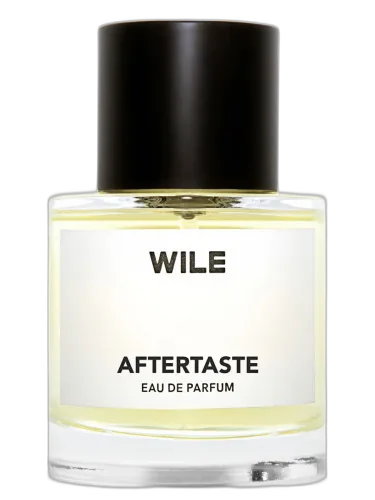
WILE
Aftertaste Wile
Shared top notes: leather, musk, rose
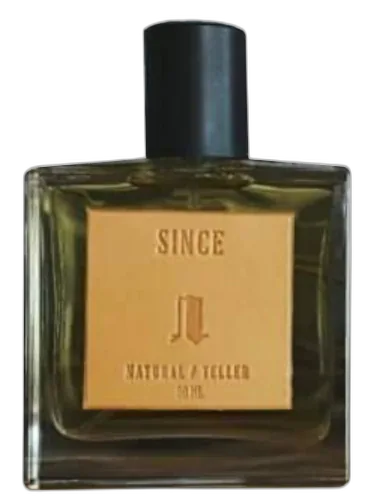
Natural Teller
Since Natural Teller
Shared top notes: leather, musk, rose

Tauerville
Incense Flash Tauerville
Shared top notes: leather, musk, woody notes

Penhaligon's
The Coveted Duchess Rose Penhaligon's
Shared top notes: musk, rose, woody notes