
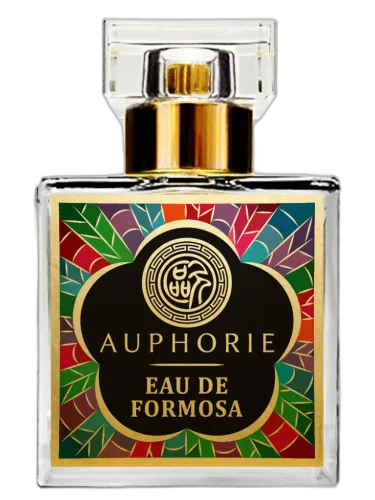

Eau De Formosa Auphorie
At a glance
Is Eau De Formosa Auphorie worth trying?
Eau De Formosa by Auphorie is a Chypre Fruity fragrance for women and men.
- Best match
- Evening wear in Fall
- Performance feel
- Very Good longevity with Strong sillage
- Signature profile
- floral, fruity, sweet with Pineapple, Strawberry, Hawthorn
The first impression
Eau De Formosa by Auphorie is a Chypre Fruity fragrance for women and men. Eau De Formosa was launched in 2016. Eau De Formosa was created by Eugene Au and Emrys Au. Top notes are Pineapple, Strawberry, Hawthorn and Mandarin Orange; middle notes are Plum Blossom, Lupin, Osmanthus, Oolong tea, Rose and Ginger; base notes are Musk, Oakmoss, Civet, Castoreum, Amber and Precious Woods.
What shapes the scent
The perfumer behind it

Emrys Au
Emrys Au is a Malaysian perfumer and co-founder of the niche brand Auphorie. His catalog includes Bing Ma Yong, Binturong, Chypre Oud Maharani, Cuir Oud Padishah, Eau De Formosa, Eau De Nyonya, Iris Macchiato, and L’anima Della Rosa. Au is known for creating complex, narrative-driven fragrances inspired by Asian culture and ingredients.
Notes pyramid
Top Notes
First impression · 15-30 min
 Pineapple
 Strawberry
 Hawthorn
 Mandarin Orange
Heart Notes
Core character · 2-4 hours
 Plum Blossom
 Lupin
Lupin
 Osmanthus
 Oolong tea
 Rose
Rose
 Ginger
Base Notes
Lasting impression · 4+ hours
 Musk
Musk
 Oakmoss
 Civet
Civet
 Castoreum
 Amber
Amber
 Precious Woods
The mood it creates
The Lover Archetype: Portrait of Eau De Formosa Auphorie
Essence
The one who cherishes Eau De Formosa Auphorie is not merely a wearer of fragrance but a seeker of transformation. Their soul aligns most closely with The Alchemist-an archetype that thrives on synthesis, turning the raw into the refined, the mundane into the mystical. Like the ancient practitioners who sought to transmute base metals into gold, this individual is drawn to the alchemy of scent, where fleeting impressions become eternal essences.
The Alchemist is a creator, a philosopher, a wanderer between worlds. They do not simply experience life; they distill it, seeking hidden meanings in the interplay of notes-oolong tea, osmanthus, agarwood-each a symbol of something deeper. Their existence is an experiment in refinement, an ongoing quest to uncover the sublime within the ordinary.
Style & Aesthetic
They live deliberately, their days structured yet open to revelation. Mornings might begin with meditation, evenings with slow, deliberate rituals-brewing tea, writing in a journal, applying perfume as an act of devotion. They are drawn to places where past and present merge: old bookshops, temples, hidden gardens where time seems suspended.
Travel is not escapism but pilgrimage. They seek destinations that resonate with their inner world-Taiwan’s misty mountains (the inspiration behind Eau De Formosa), Kyoto’s silent shrines, the decaying grandeur of European libraries. Each journey is a chapter in their ongoing alchemical experiment.
Philosophy & Values
Their philosophy is one of essentialism-not in the reductive sense, but in the pursuit of what is most true, most potent. Superficiality repels them; they crave depth in conversation, in relationships, in experience. They believe in the sacredness of the ephemeral-the way a scent evaporates, the way a moment passes-because transience, to them, is what gives life its weight.
They value authenticity above all, yet this very ideal can become a burden. Their disdain for the artificial sometimes borders on elitism, a quiet arrogance that dismisses what is popular or accessible. They walk a fine line between connoisseurship and snobbery, between discernment and exclusion.
Relationships
In love, they are neither impulsive nor detached but intentional. They do not give their affection freely; it must be earned, like the rarest of essences extracted through patience and precision. Their relationships are deep but few, built on shared intellectual and sensory fascinations. A partner must understand their need for solitude, their occasional retreat into the inner sanctum of their mind.
Yet here, too, lies their shadow. Their insistence on depth can make them impatient with those who do not meet their standards. They may grow frustrated with emotional simplicity, dismissing others as "unrefined" when, in truth, they fear being misunderstood. Their pursuit of the perfect connection can leave them isolated, surrounded by beauty but alone in its appreciation.
Shadow
The Alchemist’s greatest flaw is their self-containment. In their quest for purity, they risk becoming sealed in their own world, mistaking solitude for wisdom. They may grow disdainful of those who do not share their tastes, forgetting that not all gold glitters the same way. Their obsession with essence can blind them to the richness of life’s impurities-the messiness of human connection, the unpredictable alchemy of chance.
At their worst, they become the Recluse, hoarding their insights like a miser hoards treasure, fearing dilution. They must remember that alchemy, in its truest form, is not just about distillation but about transmutation-the willingness to be changed by what they encounter.
Conclusion
The lover of Eau De Formosa Auphorie is neither hedonist nor ascetic but something in between-a philosopher of sensation, forever balancing the tangible and the intangible. Their life is a testament to the belief that beauty is not accidental but crafted, that meaning is not given but revealed.
Yet they must beware the trap of their own making. The Alchemist who refuses to step outside their laboratory will never discover that the greatest transformations happen not in isolation, but in the unpredictable crucible of life itself.
If you like this, try these
Fragrances with a comparable profile - shared accords, notes, and character.
Dior
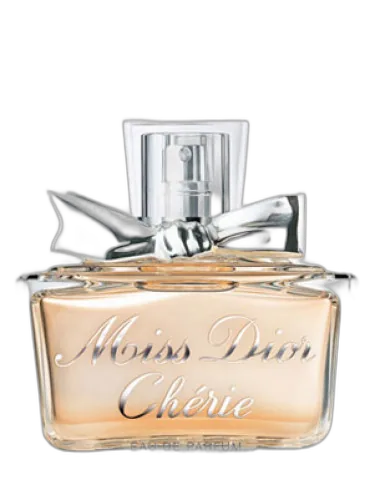
Miss Dior Cherie Dior
Shared top notes: mandarin orange, pineapple, strawberry
Guy Laroche
Clandestine Guy Laroche
Shared top notes: pineapple
Oscar de la Renta
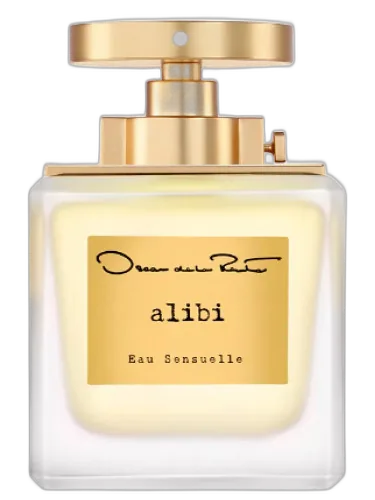
Alibi Eau Sensuelle Oscar De La Renta
Shared top notes: mandarin orange

Rammstein
Pussy Dark Intense Rammstein
Shared heart notes: osmanthus
Judith Williams
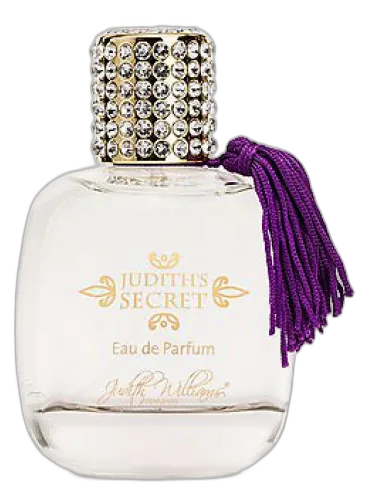
Judith's Secret Judith Williams
Shared top notes: mandarin orange, pineapple