
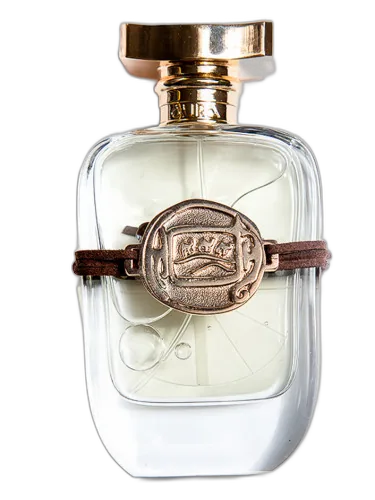

Saga Of The Silk Road Aura Of Kazakhstan
At a glance
Is Saga Of The Silk Road Aura Of Kazakhstan worth trying?
Saga of the Silk Road by Aura of Kazakhstan is a Oriental Spicy fragrance for women and men.
- Best match
- Evening wear in Fall
- Performance feel
- Very Good longevity with Strong sillage
- Signature profile
- amber, warm spicy, balsamic with Black Pepper, Myrrh, Incense
The first impression
Saga of the Silk Road by Aura of Kazakhstan is a Oriental Spicy fragrance for women and men. Saga of the Silk Road was launched in 2020. The nose behind this fragrance is Sarah McCartney. Top notes are Black Pepper, Myrrh, Incense and Wormwood; middle notes are Spices, Oriental notes and Red Wine; base notes are Resins, Tolu Balsam, Palisander Rosewood, Sandalwood and Ambergris.
What shapes the scent
The perfumer behind it

Sarah McCartney
Sarah McCartney is the founder and perfumer of 4160 Tuesdays, a London-based niche perfume house. She has created numerous fragrances, including #mrsglossmademedoit, A Flame In Your Heart, and A Walk In The Forest. McCartney's style is playful and narrative-driven, often inspired by literature, history, and everyday life. She is known for using high-quality ingredients and for her engaging storytelling through scent.
Notes pyramid
Top Notes
First impression · 15-30 min
 Black Pepper
 Myrrh
Myrrh
 Incense
 Wormwood
Heart Notes
Core character · 2-4 hours
Spices
 Oriental notes
 Red Wine
Base Notes
Lasting impression · 4+ hours
 Resins
 Tolu Balsam
 Palisander Rosewood
 Sandalwood
 Ambergris
The mood it creates
The Wanderer Archetype: Portrait of Saga Of The Silk Road Aura Of Kazakhstan
Essence
The one who cherishes Saga of the Silk Road Aura of Kazakhstan is, at their core, an Explorer-an archetype that embodies curiosity, movement, and the relentless pursuit of the unknown. This fragrance, with its blend of exotic spices, golden amber, and whispers of distant lands, mirrors their spirit: untamed yet refined, adventurous yet deeply introspective. They are not merely a traveler of geography but of ideas, cultures, and the self.
The Explorer thrives on transformation, seeking meaning in the journey rather than the destination. They resist stagnation, viewing life as an unfolding tapestry of experiences. Yet, like all archetypes, this one casts a shadow-restlessness, a fear of commitment, and a tendency to romanticize the unfamiliar while undervaluing the familiar.
Style & Aesthetic
Their aesthetic is eclectic, a collage of influences gathered like souvenirs. They might wear a handwoven Central Asian scarf with a tailored European coat-harmonizing contrasts, refusing to be pinned down. Their home, if they stay in one place long enough to have one, is filled with artifacts: a Kazakh dombra, a Persian rug, a stack of well-worn travel journals.
They prefer fragrances that tell a story-something rich, layered, with hints of the earth and the exotic. Saga of the Silk Road appeals because it is neither entirely Eastern nor Western, but a bridge between worlds, much like themselves.
In music, they gravitate toward the hypnotic-Moroccan Gnawa, Sufi qawwali, or the deep resonance of a Mongolian throat singer. Their taste in literature leans toward the philosophical and the poetic: Borges, Pamuk, or the wandering verses of Hafez.
Philosophy & Values
Their philosophy is one of fluidity. They reject rigid dogma, preferring wisdom gathered like scattered treasures from the places they’ve been and the people they’ve met. They might quote Rumi or Nietzsche, not out of pretension, but because these thinkers speak to their own fragmented, ever-evolving understanding of existence.
They believe in experience as the highest truth, valuing sensation over doctrine. A sunset over the Kazakh steppe, the scent of saffron and leather in a bazaar, the taste of unfamiliar spices-these are their sacred texts. They are drawn to mysticism, not as dogma, but as a language for the ineffable.
Yet, their hunger for the new can make them impatient with routine. Stability feels like stagnation; commitments, unless chosen with absolute freedom, feel like chains. They may struggle with the tension between their love of independence and their occasional longing for deep, rooted connection.
Relationships
They love deeply but cautiously. Their relationships are often intense, marked by passionate exchanges of ideas and shared adventures. Yet, they may struggle with the mundane realities of long-term partnership. They fear being possessed, confined-love must be as free as they are.
Their friendships are global, a network of kindred spirits scattered across continents. They are the friend who sends postcards from obscure places, who remembers small details about people’s lives but may vanish for months without explanation.
Their shadow here is emotional transience-a reluctance to stay when things become predictable. They may leave lovers or friendships not out of malice, but because the call of the unknown is louder than the comfort of the known.
Shadow
The Explorer’s brilliance is also their curse. Their refusal to settle can become a form of evasion-running not toward something, but away from the depths that only stillness reveals. They may mistake movement for growth, accumulating experiences without fully integrating them.
At their worst, they become the eternal outsider, never truly belonging anywhere, haunted by a sense of rootlessness. Their romanticism can blind them to the beauty of the ordinary, the sacredness of the mundane.
Yet, when balanced, they are alchemists-transforming wanderlust into wisdom, collecting not just miles but meaning. Their greatest challenge is learning that true freedom is not the absence of ties, but the ability to choose them consciously.
Conclusion
The lover of Saga of the Silk Road is a modern-day nomad, a seeker whose soul is woven from the threads of many lands. They are neither here nor there, but in the space between-the liminal, the transitional. Their life is a testament to the beauty of movement, the poetry of the unfinished journey.
But the question remains: Can they ever be still long enough to hear the silence beneath the symphony? Or will they forever chase the horizon, mistaking the road for the destination?
If you like this, try these
Fragrances with a comparable profile - shared accords, notes, and character.

Ramón Béjar
Sanctum Perfume Ramón Béjar
Shared top notes: incense
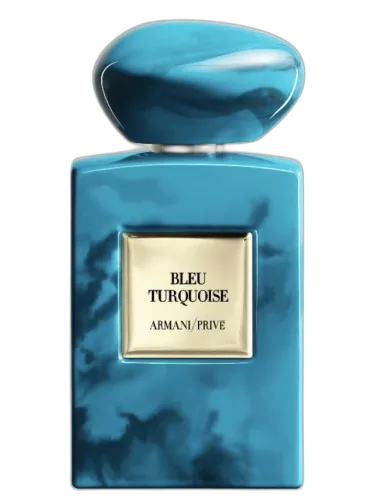
Giorgio Armani
Armani Privé Bleu Turquoise Giorgio Armani
Shared top notes: black pepper, incense
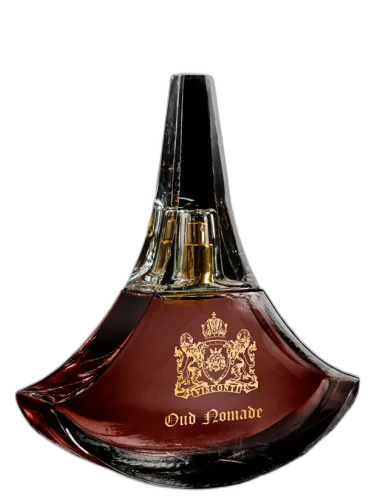
Antonio Visconti
Oud Nomade Antonio Visconti
Shared top notes: black pepper, incense
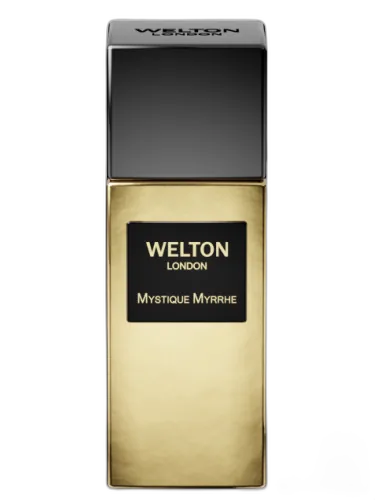
Welton London
Mystique Myrrhe Welton London
Shared top notes: black pepper, incense, myrrh

Fray Ardens
Pneuma Fray Ardens
Shared heart notes: spices