


Field Flowers Avon
At a glance
Is Field Flowers Avon worth trying?
Field Flowers by Avon is a Floral Aldehyde fragrance for women.
- Best match
- Casual wear in Spring
- Performance feel
- Moderate longevity with Moderate sillage
- Signature profile
- powdery, floral, musky with Floral Notes, Talc, Solar Notes
The first impression
Field Flowers by Avon is a Floral Aldehyde fragrance for women. Field Flowers was launched in 1971. Top note is Floral Notes; middle notes are Talc and Solar Notes; base note is Musk.
What shapes the scent
The perfumer behind it

Notes pyramid
Top Notes
First impression · 15-30 min
 Floral Notes
Heart Notes
Core character · 2-4 hours
 Talc
Talc
 Solar Notes
Base Notes
Lasting impression · 4+ hours
 Musk
Musk
The mood it creates
The Innocent Archetype: Portrait of Field Flowers Avon
Essence
The person who cherishes Field Flowers by Avon is most closely aligned with the Innocent archetype-a soul untouched by cynicism, who finds beauty in simplicity and purity in the natural world. Like the fragrance itself, which evokes wild meadows and untamed blossoms, they embody an unspoiled optimism, a belief in goodness, and a quiet reverence for life’s gentle pleasures.
Yet, the Innocent is not naive in the way of a child; rather, they choose to see the world through a lens of hope, even when shadows encroach. Their love for this scent-soft, floral, unpretentious-reflects a resistance to artifice, a preference for authenticity over grandeur.
Relationships
In love and friendship, they are steadfast, the kind of person who remembers birthdays with handwritten notes and listens without interruption. They do not seek the spotlight, but their presence is a balm to those who crave sincerity. Their relationships are built on loyalty, though they sometimes struggle to set boundaries, mistaking self-sacrifice for virtue.
They are drawn to others who share their appreciation for quietude-artists, gardeners, poets-but they may also attract those who take advantage of their generosity. Their greatest fear is betrayal, not because they are fragile, but because they know how deeply it would wound their faith in people.
Shadow
The Innocent’s strength is also their weakness. Their refusal to see malice can leave them unprepared for it. They may cling to fading relationships, insisting on seeing the good in people long after evidence suggests otherwise. Disillusionment shakes them deeply, not because they are weak, but because their entire worldview is built on trust.
At their worst, they may retreat into a fantasy of how things should be rather than confront how they are. They might suppress their own anger, fearing it will tarnish their purity. But anger, when unexpressed, does not vanish-it festers. The true test of their archetype is not in avoiding darkness, but in learning to navigate it without losing their light.
Conclusion
Their tastes are understated but deliberate. They favor linen dresses, worn-in books, and teacups that hold warmth like a memory. Their home is a sanctuary of muted colors, dried wildflowers in glass jars, and sunlight filtering through sheer curtains. They do not chase trends; they cultivate a personal aesthetic that feels timeless, as though they exist slightly outside the rush of modernity.
Philosophically, they believe in kindness as a radical act. They trust too easily, sometimes to their detriment, but this trust is not foolishness-it is a quiet defiance against a world that rewards suspicion. They find solace in small rituals: morning walks, handwritten letters, the way light shifts through the seasons.
If you like this, try these
Fragrances with a comparable profile - shared accords, notes, and character.
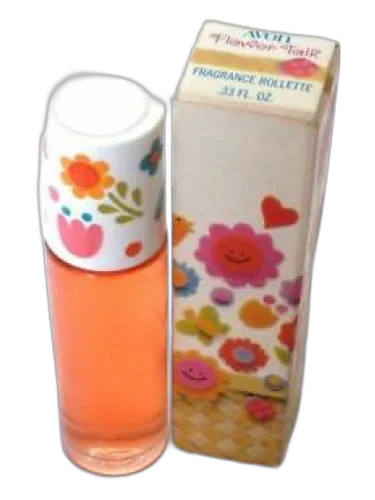
Avon
Flower Talk Avon
Shared top notes: floral notes
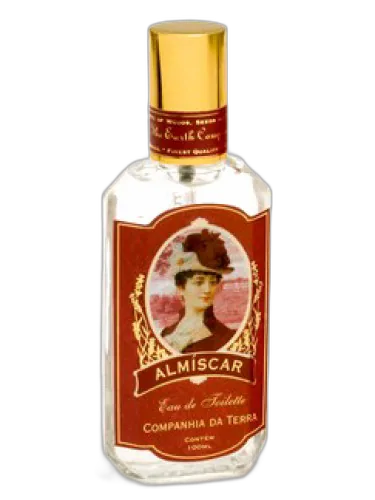
Companhia da Terra
Agua De Almiscar Companhia Da Terra
Shared top notes: floral notes
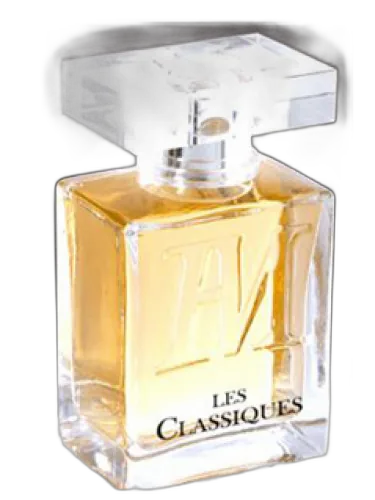
Frederic M
Mycenes Frederic M
Shared top notes: floral notes

Bottega del Profumo
Via Dei Condotti Bottega Del Profumo
Shared top notes: floral notes
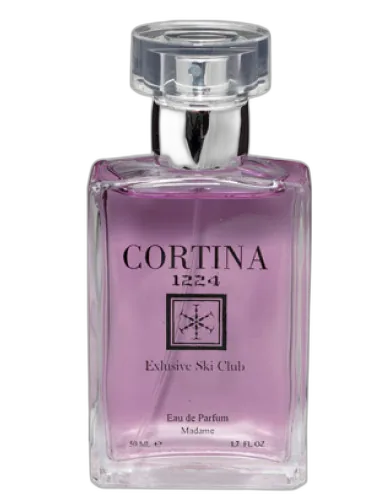
Cortina 1224
Madame Cortina 1224
Shared top notes: floral notes