


Forest Lily Avon
At a glance
Is Forest Lily Avon worth trying?
Forest Lily by Avon is a Floral fragrance for women.
- Best match
- Casual wear in Spring
- Performance feel
- Moderate longevity with Moderate sillage
- Signature profile
- floral, fresh, woody with Lily-of-the-Valley, Wisteria, Sandalwood
The first impression
Forest Lily by Avon is a Floral fragrance for women. Forest Lily was launched in 1998. The nose behind this fragrance is Annie Buzantian.
What shapes the scent
The perfumer behind it

Annie Buzantian
Annie Buzantian is a master perfumer with a long tenure at Firmenich, where she has created for a wide range of global brands. Her style often balances luminous florals with warm, sensual bases, as seen in Clean’s Solar Bloom and the layered warmth of Estée Lauder’s Sensuous line. She is known for crafting accessible yet sophisticated scents, including the fresh floral Adrienne Vittadini and the rich, exotic Avon Rare Flowers Night Orchid.
Notes pyramid
All Notes
Complete scent profile
 Lily-of-the-Valley
 Wisteria
 Sandalwood
 Lilac
Lilac
 Ylang-Ylang
 Clementine
The mood it creates
The Sage Archetype: Portrait of Forest Lily Avon
Essence
The one who chooses Forest Lily by Avon is drawn to the quiet wisdom of nature-a fragrance that blends earthy depth with delicate floralcy, evoking mist-laden woods and hidden glades. This person embodies the Sage archetype, the seeker of truth through observation and introspection. They are not the boisterous teacher nor the dogmatic scholar, but rather the contemplative wanderer who finds meaning in the subtle interplay of shadow and light. The Sage thrives on understanding, yet their wisdom is often whispered rather than proclaimed.
Style & Aesthetic
Their presence is understated, yet deliberate. They favor organic textures-linen, wool, unpolished wood-materials that carry the imprint of time. Their wardrobe leans toward muted earth tones, with occasional hints of soft green or pale lavender, mirroring the forest’s palette. They wear fragrance not as adornment, but as an extension of self-Forest Lily is their scent because it does not announce, but reveals.
In art and music, they are drawn to the melancholic and the meditative-Chopin’s nocturnes, the subdued brushstrokes of Caspar David Friedrich, the poetry of Rilke. They find beauty in what lingers just beyond immediate perception.
Their home is a sanctuary-bookshelves lined with philosophy and botany, a single vase of wildflowers on the table, the faintest trace of Forest Lily lingering in the air. They rise early, savoring the silence of dawn with tea and journal in hand. They may garden, not for show, but for the quiet dialogue with growth and decay.
Work is meaningful only if it aligns with their values; they are drawn to teaching, writing, or environmental stewardship, vocations that allow them to cultivate understanding. Routine comforts them, but they must guard against stagnation-the Sage’s shadow can become a cage of their own making.
Philosophy & Values
To them, life is a slow unfurling, much like the petals of the lily-patient, deliberate, and attuned to unseen rhythms. They reject the clamor of modern haste, preferring the measured pace of reflection. Their philosophy is rooted in natural harmony; they believe in balance, in the quiet strength of resilience, and in the necessity of solitude for true growth.
Yet, their reverence for wisdom can sometimes harden into intellectual pride. They may dismiss those who lack their depth, mistaking simplicity for ignorance. The shadow of the Sage is the Hermit’s isolation-a retreat so deep that connection becomes a distant murmur rather than a lived experience.
Relationships
They are not the life of the gathering, but the one who listens deeply in the corner, offering insights only when asked. Their friendships are few but enduring, built on mutual respect rather than forced camaraderie. Romantic partners must understand their need for solitude; they love not with grand gestures, but with quiet constancy.
Yet, their introspective nature can make them emotionally elusive. They may rationalize feelings rather than feel them, mistaking detachment for wisdom. The Sage’s greatest relational challenge is to step out of the observer’s role and into the messiness of true intimacy.
Conclusion
In their light, they are guides without pretension, offering clarity without demand. In their shadow, they are detached observers, mistaking solitude for superiority. The fragrance they choose reflects this duality-earthy yet ethereal, grounded yet elusive.
To know them is to walk through a forest at dusk: the path is clear, but the depths remain mysterious. And perhaps that is how they prefer it.
If you like this, try these
Fragrances with a comparable profile - shared accords, notes, and character.
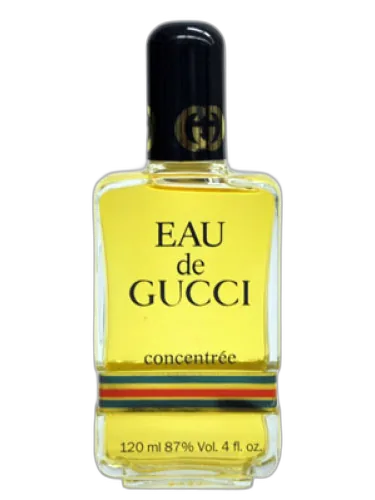
Gucci
Eau De Gucci Concentree (1982) Gucci
Shared top notes: lilac, lily-of-the-valley, sandalwood

Jean Charles Brosseau
Ombre D'or Jean Charles Brosseau
Shared top notes: lily-of-the-valley, ylang-ylang
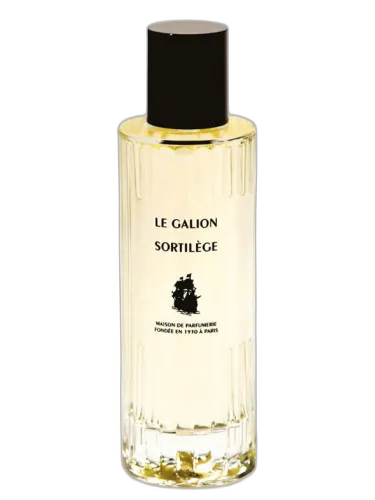
Le Galion
Sortilege (2014) Le Galion
Shared top notes: lilac, lily-of-the-valley, ylang-ylang

Rance 1795
D'erje Rance 1795
Shared top notes: lily-of-the-valley, ylang-ylang
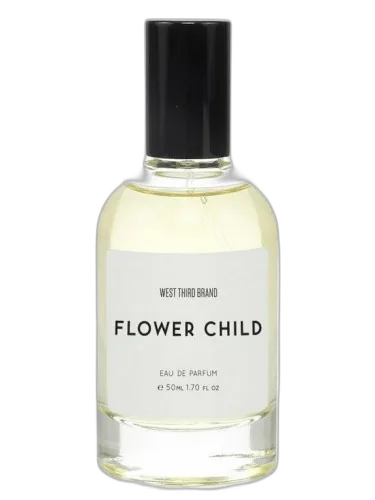
West Third Brand
Flower Child West Third Brand
Shared top notes: clementine, lilac, lily-of-the-valley