


Fragrance Story
Tomorrow for Men by Avon is a Oriental Woody fragrance for men. Tomorrow for Men was launched in 2005. The nose behind this fragrance is Barbara Zoebelein. Top notes are Licorice, Lime and Star Anise; middle notes are Cacao Pod, Violet and Jasmine; base notes are Amber, Patchouli, Sandalwood and Cedar. This perfume is the winner of 2 awards: FiFi Award Fragrance Of The Year Men`s Private Label/Direct Sell 2006 and FiFi Award Best Packaging Men`s Popular Appeal 2006.
Composition Profile
About the Perfumer

Barbara Zoebelein
Barbara Zoebelein is a perfumer known for her work with brands like Avon, Guess, and Boitown. Her style often balances accessible elegance with subtle complexity, seen in creations such as Little Black Dress Avon and Guess By Marciano. She has also contributed to diverse projects including Jequiti’s Cauã Reymond Intenso and Louis Widmer’s L'eau De Peau Eau Douceur.
Fragrance Notes
Top Notes
First impression · 15-30 min
 Licorice
 Lime
Lime
 Star Anise
Heart Notes
Core character · 2-4 hours
 Cacao Pod
 Violet
 Jasmine
Base Notes
Lasting impression · 4+ hours
 Amber
Amber
 Patchouli
 Sandalwood
 Cedar
Cedar
by Avon offers a distinctive olfactory experience that stands out from other fragrances in its category.
Crafted with the finest ingredients and a blend of traditional and modern perfumery techniques, this fragrance represents the pinnacle of the perfumer's art.
embodies the distinctive style of Avon while adding a unique chapter to their fragrance portfolio.
Character Profile
The Absent Aroma Archetype: Portrait of the Wearer
Essence
To wear no fragrance is to make a statement-not of defiance, but of negation. This person does not reject scent; they simply do not engage with it. Their choice (or lack thereof) is not asceticism, nor minimalism, but something more elusive: a refusal to define themselves through the olfactory, a realm where most people unconsciously reveal their desires, fears, and aspirations.
The absence of fragrance aligns most closely with the Sage, the archetype of wisdom, detachment, and objectivity. The Sage does not adorn themselves with symbols of identity because they seek to exist beyond such markers. Their power lies in observation, analysis, and the quiet accumulation of knowledge. They are the thinker, the skeptic, the one who questions rather than proclaims.
Yet, the Sage’s shadow is coldness-an over-reliance on reason that can calcify into emotional sterility. The refusal of scent is not merely neutrality; it can also be a refusal of sensuality, of the animal self that breathes in the world and responds viscerally.
Philosophy & Values
This person moves through the world with a deliberate lightness, leaving no trace. Their tastes are refined but unostentatious-they prefer clean lines, natural fabrics, muted colors. Their home is not cluttered with trinkets; their bookshelf is curated, their possessions few but meaningful. They do not seek to impress, only to exist without unnecessary friction.
Philosophically, they are drawn to thinkers who strip away illusion: the Stoics, the existentialists, the Zen masters. They value clarity above comfort, truth above consolation. They are not cynical, but they are wary of sentimentality. Their humor is dry, their observations precise.
Relationships
They are not antisocial, but they are selective. Their friendships are built on mutual respect rather than emotional effusion. They listen more than they speak, and when they do speak, their words carry weight. Romantic partners may find them enigmatic-their love is steady but rarely demonstrative. They do not intoxicate; they anchor.
Yet, their detachment can become a wall. They may struggle with vulnerability, mistaking emotional expression for weakness. Their partners may long for more spontaneity, more heat, but the Sage’s nature is to temper passion with reason.
Shadow
The greatest danger for this person is the slow erosion of their own humanity. The Sage risks becoming a mind without a body, a thinker who forgets to feel. Their avoidance of scent-a sense so deeply tied to memory and desire-may reflect a deeper avoidance of the irrational, the chaotic, the messy truths of existence.
If they are not careful, their wisdom can curdle into arrogance. They may dismiss those who live by passion as foolish, failing to see that their own rationality is just another kind of dogma.
Conclusion
The Sage must learn that wisdom is not the absence of feeling, but its integration. To truly know the world, one must sometimes surrender to it-to let a scent evoke a forgotten memory, to allow beauty to pierce the armor of analysis. The fragrance they refuse could, in small doses, become a teacher: a reminder that life is not only to be understood, but to be lived.
And so, the scentless one stands at the threshold-poised between detachment and immersion, between the mind’s clarity and the body’s wisdom. Their challenge is not to change, but to deepen: to remain a Sage without becoming a statue.
Similar Fragrances
Fragrances with a comparable profile - shared accords, notes, and character.
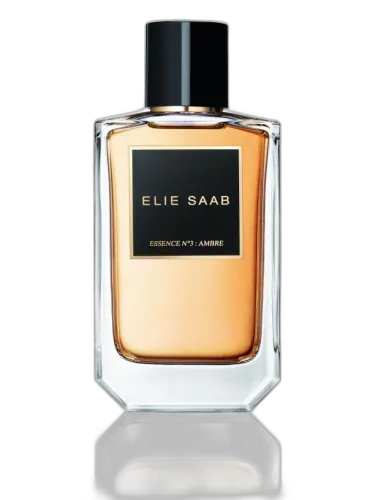
Elie Saab
Essence No. 3 Ambre Elie Saab
Shared accords: amber, balsamic, patchouli
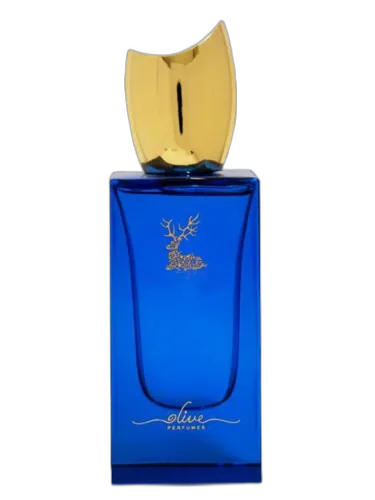
Olive Perfumes
Amber Olive Perfumes
Shared accords: amber, anis, balsamic

Hemcael
Raris Hemcael
Shared accords: amber, balsamic, patchouli

Neil Morris
Mystic Dragon Neil Morris
Shared accords: amber, balsamic, cacao
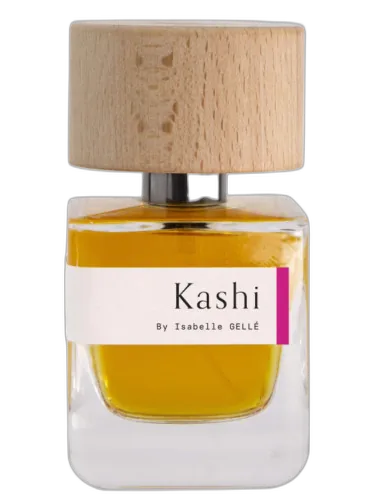
Parfumeurs du Monde
Kashi Parfumeurs Du Monde
Shared accords: amber, balsamic, patchouli