
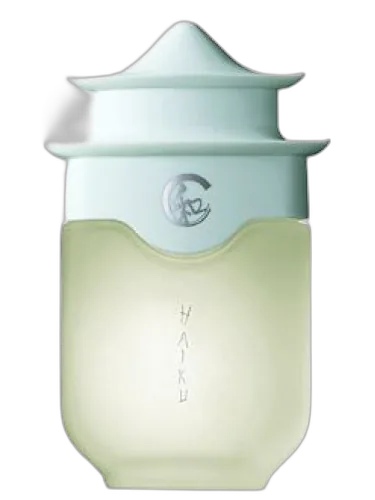

Haiku Avon
At a glance
Is Haiku Avon worth trying?
Haiku by Avon is a Floral Green fragrance for women.
- Best match
- Casual wear in Spring
- Performance feel
- Moderate longevity with Moderate sillage
- Signature profile
- white floral, fresh, floral with Dew Drop, Pomegranate, Yuzu
The first impression
Haiku by Avon is a Floral Green fragrance for women. Haiku was launched in 2000. Top notes are Dew Drop, Pomegranate, Yuzu, Freesia and Pear; middle notes are Lily-of-the-Valley, Jasmine, Kumquat, Chinese Peony, Prunella, Fig and Tuberose; base notes are Musk, Sandalwood, Vetiver, Tonka Bean and Vanilla.
What shapes the scent
The perfumer behind it

Notes pyramid
Top Notes
First impression · 15-30 min
 Dew Drop
 Pomegranate
 Yuzu
Yuzu
 Freesia
 Pear
Pear
Heart Notes
Core character · 2-4 hours
 Lily-of-the-Valley
 Jasmine
 Kumquat
 Chinese Peony
 Prunella
 Fig
Fig
 Tuberose
Base Notes
Lasting impression · 4+ hours
 Musk
Musk
 Sandalwood
 Vetiver
 Tonka Bean
 Vanilla
The mood it creates
The Sage Archetype: Portrait of Haiku Avon
Essence
Haiku Avon is a fragrance of quiet elegance-soft, floral, and subtly green, evoking a sense of harmony rather than bold assertion. It does not demand attention but lingers in the air like a thoughtful afterthought. The person who chooses this scent is not one for ostentation; they seek refinement in the understated, beauty in the delicate. Their preference for Haiku suggests an appreciation for balance, tradition, and a touch of poetic nostalgia.
Style & Aesthetic
Their tastes are refined but never extravagant. They prefer muted colors-soft blues, warm grays, earthy greens-clothing that speaks of quiet confidence rather than trend-driven excess. Their home is a sanctuary of order and meaning: books arranged by theme, art chosen for its emotional resonance, a single vase of fresh flowers as a silent ode to fleeting beauty.
Philosophically, they are drawn to Eastern thought-Zen Buddhism, Taoism-or the Stoic traditions of the West. They believe in the power of inner stillness, in mastering the self before attempting to influence the world. Their values center on wisdom, authenticity, and the pursuit of understanding. Superficiality repels them; they crave conversations that delve beneath the surface.
Relationships are few but profound. They do not collect acquaintances but nurture connections that withstand time. Their love is patient, their loyalty unwavering-but they demand intellectual and emotional depth in return. They are not quick to trust, but once they do, their bonds are unshakable.
Shadow
Yet, no archetype is without its shadow. The Sage’s greatest strength-their contemplative nature-can also be their flaw. At times, they withdraw too deeply into thought, becoming observers rather than participants in life. Their hesitation to act, born of a desire to fully understand, can lead to missed opportunities.
They may also struggle with a subtle arrogance-a belief that their way of seeing the world is superior. Their patience can curdle into passive judgment, their wisdom into a reluctance to engage with messier, more chaotic aspects of existence. They must guard against becoming hermits of the mind, so enamored with reflection that they forget to live.
Conclusion
This individual is most closely aligned with the Sage archetype-the seeker of knowledge, the quiet observer, the one who values depth over spectacle. The Sage does not rush into life but moves through it with measured steps, absorbing meaning from every experience. They are drawn to philosophy, art, and the subtle interplay of ideas. Their mind is a well-tended garden, where thoughts grow deliberately, cultivated rather than left to wild impulse.
Yet, the Sage is not merely a passive thinker. They engage with the world through reflection, often acting as a guide for others-not by force, but by the quiet authority of their insight. They are the friend who listens deeply before offering counsel, the colleague whose observations cut through noise to reveal truth.
If you like this, try these
Fragrances with a comparable profile - shared accords, notes, and character.
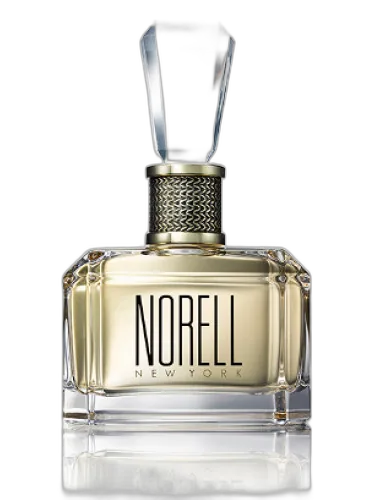
Norell
Norell New York Norell
Shared top notes: pear
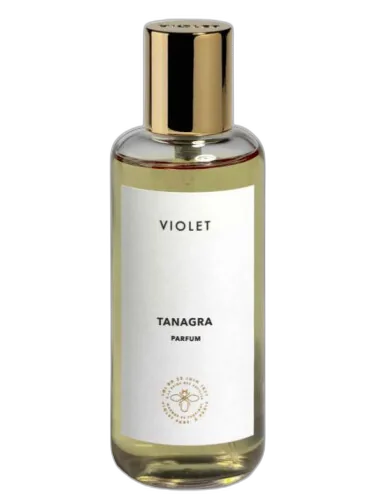
Maison Violet
Tanagra Maison Violet
Shared top notes: freesia, pear
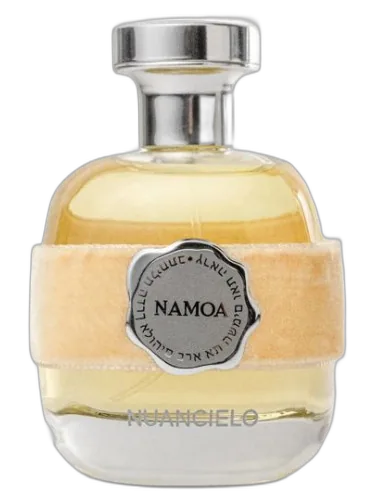
Nuancielo
Namoa Nuancielo
Shared top notes: yuzu
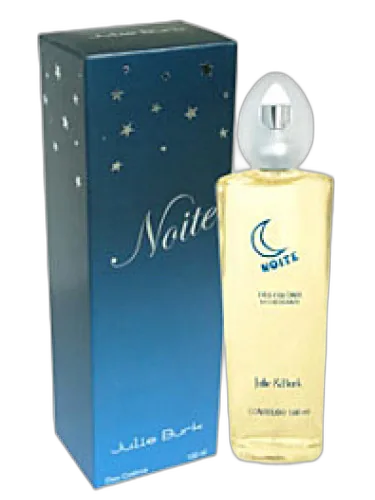
Julie Burk Perfumes
Noite Julie Burk Perfumes
Shared heart notes: jasmine, lily-of-the-valley
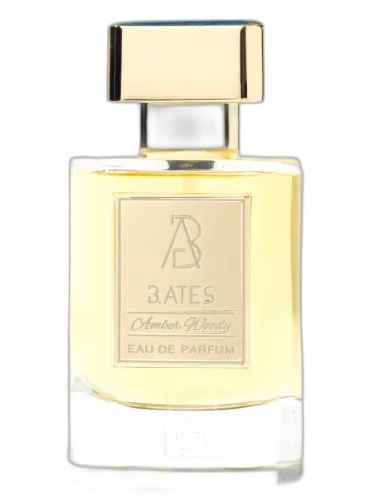
B.ATES
Amber Woody B.ates
Shared heart notes: jasmine, lily-of-the-valley