
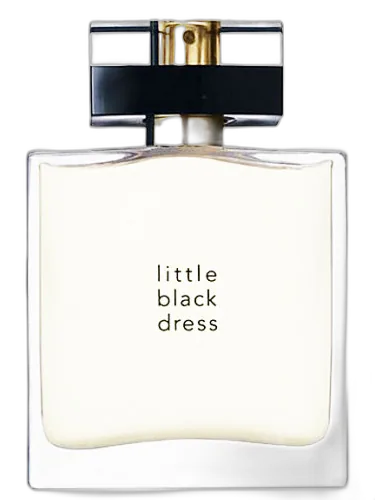

Little Black Dress Avon
At a glance
Is Little Black Dress Avon worth trying?
Little Black Dress by Avon is a Oriental fragrance for women.
- Best match
- Evening, Special Occasion wear in Fall, Winter
- Performance feel
- Good longevity with Moderate sillage
- Signature profile
- white floral, floral, woody with Cyclamen, Coriander, African Ginger
The first impression
Little Black Dress by Avon is a Oriental fragrance for women. Little Black Dress was launched in 2001. The nose behind this fragrance is Barbara Zoebelein. Top notes are Cyclamen, Coriander, African Ginger, Apricot Blossom and Honeysuckle; middle notes are Ylang-Ylang, Jasmine, Gardenia, Pink Peony and Datura; base notes are Japanese Plum, Sandalwood, Musk, Tonka Bean and Woody Notes.
What shapes the scent
The perfumer behind it

Barbara Zoebelein
Barbara Zoebelein is a perfumer known for her work with brands like Avon, Guess, and Boitown. Her style often balances accessible elegance with subtle complexity, seen in creations such as Little Black Dress Avon and Guess By Marciano. She has also contributed to diverse projects including Jequiti’s Cauã Reymond Intenso and Louis Widmer’s L'eau De Peau Eau Douceur.
Notes pyramid
Top Notes
First impression · 15-30 min
 Cyclamen
 Coriander
 African Ginger
 Apricot Blossom
 Honeysuckle
Heart Notes
Core character · 2-4 hours
 Ylang-Ylang
 Jasmine
 Gardenia
 Pink Peony
 Datura
Base Notes
Lasting impression · 4+ hours
Japanese Plum
 Sandalwood
 Musk
Musk
 Tonka Bean
 Woody Notes
The mood it creates
The Archetype Archetype: Portrait of Little Black Dress Avon
Essence
She is the kind of person who understands the power of subtlety. Little Black Dress by Avon is not a fragrance that announces itself with bravado-it is elegant, classic, and quietly confident. It does not scream for attention, but once noticed, it lingers in memory. The woman who favors this scent is not one for ostentation, yet she knows her presence carries weight. She is drawn to the archetype of The Sophisticate-a figure who values refinement, poise, and an understated mastery of life’s aesthetics.
Philosophy & Values
She does not believe in excess, in gaudiness, in the loud proclamation of one’s worth. To her, true sophistication is not about wealth or status, but about the quiet mastery of one’s own existence. She lives by the principle that less is more-that elegance is found in precision, not abundance.
Yet, if she is wise, she will learn that even the most polished life must sometimes embrace chaos. That the most beautiful perfumes are those with a hint of wildness beneath their structure. And that the little black dress, though timeless, must sometimes be worn with a touch of recklessness-just to remind herself that she is still alive.
Shadow
Yet, the Sophisticate’s virtues can become her vices. Her love of order can harden into inflexibility. She may dismiss anything-or anyone-that does not meet her standards, mistaking her preferences for universal truths. There is a danger in her becoming too self-contained, too unwilling to embrace the messy, unpredictable aspects of life.
Her restraint can sometimes border on emotional detachment. She may avoid vulnerability, preferring the safety of composure over the rawness of true intimacy. If she is not careful, she may find herself admired but not deeply known-respected but not fully loved.
Conclusion
The Sophisticate is not merely about appearances; she embodies a philosophy of deliberate living. She believes in the art of restraint, in the power of the unspoken, in the way a single glance can convey more than a torrent of words. She moves through the world with an air of quiet authority, as if she has already seen enough to know what truly matters.
Her tastes are curated, not accidental. She prefers the timeless over the trendy-a well-tailored blazer, a strand of pearls, a leather-bound journal. She reads literature that has endured, listens to music that speaks across generations, and surrounds herself with objects that carry history. She does not chase novelty for its own sake; she seeks depth in familiarity.
If you like this, try these
Fragrances with a comparable profile - shared accords, notes, and character.
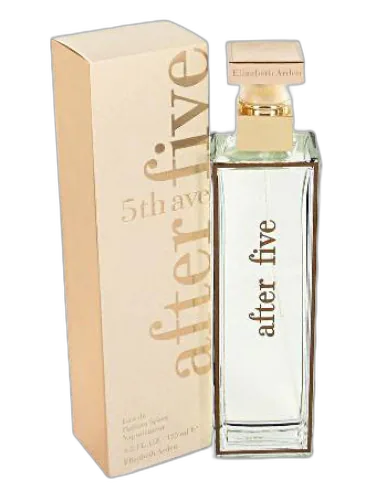
Elizabeth Arden
5th Avenue After Five Elizabeth Arden
Shared top notes: coriander, honeysuckle

Donna Karan
Dkny Women Fall Limited Edition 2020 Donna Karan
Shared heart notes: gardenia, jasmine
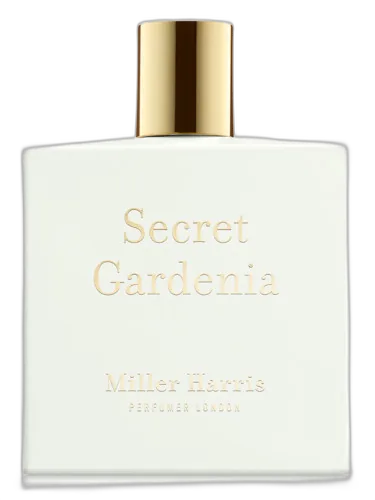
Miller Harris
Secret Gardenia Miller Harris
Shared heart notes: gardenia, jasmine, ylang-ylang
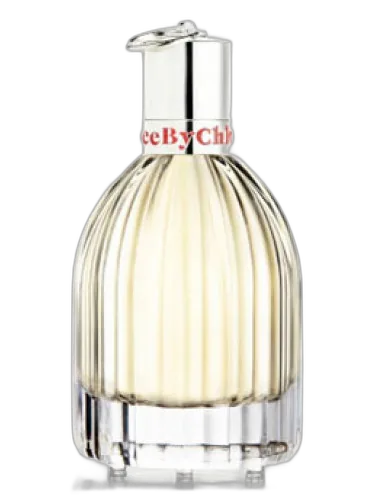
Chloé
See By Chloé Chloé
Shared heart notes: jasmine, ylang-ylang
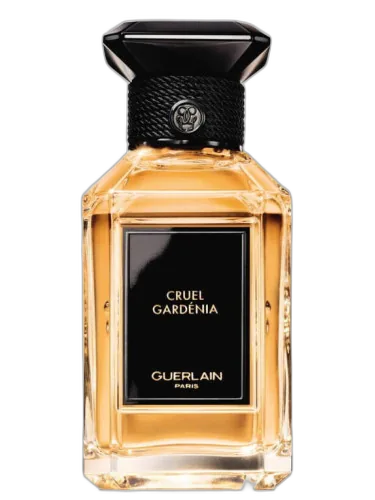
Guerlain
Cruel Gardénia Guerlain
Shared heart notes: gardenia, ylang-ylang