
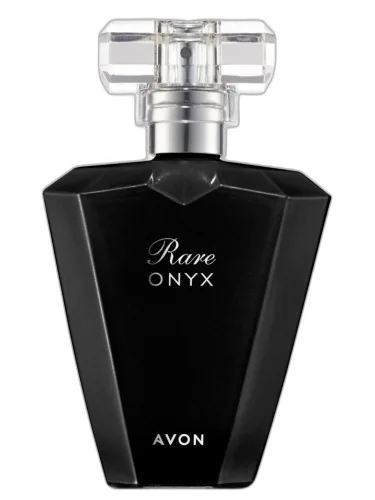

Rare Onyx Avon
Fragrance Story
Rare Onyx by Avon is a fragrance for women. This is a new fragrance. Rare Onyx was launched in 2022. Rare Onyx was created by IFF, Verônica Casanova, Claire Liegent and Celine Barel. Top notes are Dark Plum Wu Mei, Neroli and Apricot; middle notes are Rose, Lotus and Mimosa; base notes are Musk, Amber and Vanilla.
Composition Profile
About the Perfumer

Celine Barel
Celine Barel is a French perfumer known for her work with brands like 4711, Abercrombie & Fitch, and Aesop. Her creations include the vibrant 4711 Remix Electric Night and the fresh Tacit for Aesop. She has also crafted scents for Andrea Maack, Avon, and Blumarine, showcasing a versatile style that spans from crisp colognes to bold florals.
Fragrance Notes
Top Notes
First impression · 15-30 min
 Dark Plum Wu Mei
 Neroli
 Apricot
Heart Notes
Core character · 2-4 hours
 Rose
Rose
 Lotus
Lotus
 Mimosa
Base Notes
Lasting impression · 4+ hours
 Musk
Musk
 Amber
Amber
 Vanilla
Rare Onyx Avon by Avon offers a distinctive olfactory experience that stands out from other fragrances in its category.
Crafted with the finest ingredients and a blend of traditional and modern perfumery techniques, this fragrance represents the pinnacle of the perfumer's art.
Rare Onyx Avon embodies the distinctive style of Avon while adding a unique chapter to their fragrance portfolio.
Character Profile
The Alchemist Archetype: Portrait of Rare Onyx Avon
Essence
To wear Rare Onyx by Avon is to embrace duality-dark yet luminous, mysterious yet grounded. This fragrance, with its deep amber and woody tones, softened by whispers of vanilla and spice, is not for those who seek the obvious. It is chosen by one who understands that identity is not fixed but forged, a paradox of strength and subtlety. The person who favors this scent is an Alchemist-a Jungian archetype defined by transformation, depth, and the pursuit of hidden truths.
Style & Aesthetic
The Alchemist dresses with intention. Their wardrobe is a curated blend of timeless elegance and understatement-dark tailored coats, cashmere sweaters, perhaps a single piece of jewelry with personal significance. They favor textures that invite touch: suede, aged leather, fine wool. Their aesthetic is not about trends but about symbolism-each garment, each accessory, a fragment of a larger narrative they are composing.
Relationships
The Alchemist does not collect acquaintances; they cultivate connections with the same care one might reserve for rare manuscripts. Their friendships are few but profound, built on shared intellectual curiosity and mutual respect for solitude. In love, they are intense yet guarded-slow to trust but fiercely loyal once trust is earned. They are drawn to partners who are equally complex, who understand that intimacy is not about possession but about revelation.
Yet here lies the shadow: their tendency toward emotional alchemy. Just as they refine raw experience into wisdom, they sometimes intellectualize emotions, turning pain into philosophy rather than allowing themselves to simply feel. They may withdraw when vulnerability is demanded, cloaking themselves in mystique as a defense.
Shadow
Every archetype has its dark reflection. The Alchemist’s brilliance is also their burden. Their relentless search for meaning can become obsession-an endless dissection of life that leaves little room for spontaneity. They may grow impatient with those who do not share their depth, dismissing simpler joys as trivial. At their worst, they risk becoming hermetic, lost in their own labyrinth of thought, mistaking solitude for superiority.
Conclusion
Life is not merely lived but decoded. The Alchemist sees patterns where others see chaos, extracting meaning from the mundane. They are drawn to philosophy, psychology, and the arts-not as passive observers but as active participants in the grand experiment of existence. Their tastes are refined but never ostentatious: a well-worn leather journal, a vintage watch, a bookshelf lined with Nietzsche, Jung, and Borges. They prefer dimly lit spaces-coffee shops with dark wood interiors, libraries, or the quiet corner of a cocktail bar where the hum of conversation becomes a distant murmur.
Their philosophy is one of self-creation. They do not believe in fate but in the alchemy of will-that one can transmute suffering into wisdom, solitude into strength. They are skeptical of dogma, yet they respect tradition when it serves as a foundation for deeper inquiry. Their values revolve around authenticity, though they understand that authenticity is not a static state but a continual becoming.
Similar Fragrances
Fragrances with a comparable profile - shared accords, notes, and character.
Avon
Rare Onyx Avon
Shared accords: amber, animalic, citrus
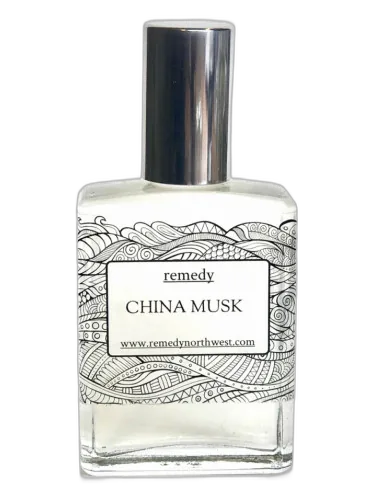
Remedy Northwest
China Musk Remedy Northwest
Shared accords: amber, animalic, citrus
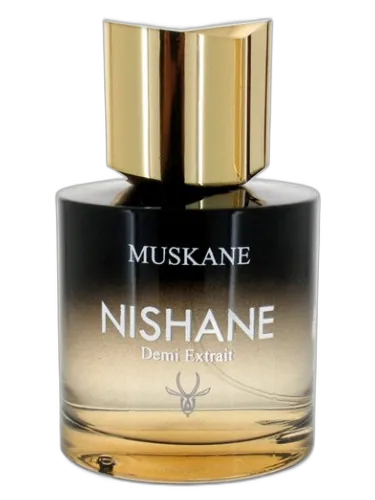
Nishane
Muskane Nishane
Shared accords: amber, animalic, floral

My Perfumes Select
Vanilla Cake My Perfumes Select
Shared accords: amber, citrus, floral
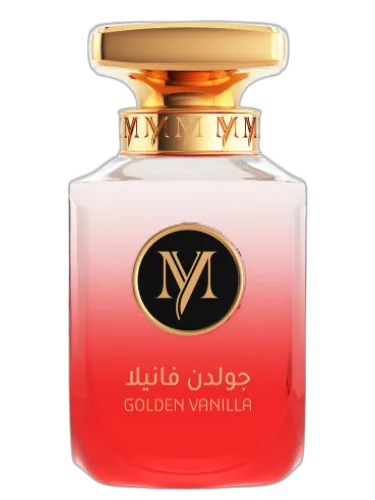
My Perfumes Select
Golden Vanilla My Perfumes Select
Shared accords: amber, animalic, floral