


Silky Douceur Vanilla Avon
At a glance
Is Silky Douceur Vanilla Avon worth trying?
Silky Douceur Vanilla by Avon is a Floral Fruity Gourmand fragrance for women.
- Best match
- Casual wear in Winter
- Performance feel
- Good longevity with Moderate sillage
- Signature profile
- vanilla, musky, powdery with Silk, Vanilla
The first impression
Silky Douceur Vanilla by Avon is a Floral Fruity Gourmand fragrance for women. Silky Douceur Vanilla was launched in 2017.
What shapes the scent
The perfumer behind it

Unknown Perfumer
Notes pyramid
All Notes
Complete scent profile
 Silk
Silk
 Vanilla
The mood it creates
The Innocent Archetype: Portrait of Silky Douceur Vanilla Avon
Essence
Archetype: The Caregiver
The person who cherishes Silky Douceur Vanilla Avon is most closely aligned with the Caregiver archetype, a figure of warmth, comfort, and gentle strength. Vanilla, with its soft sweetness and enveloping familiarity, mirrors their essence-a soul who finds purpose in nurturing others, in creating spaces of safety and tenderness. They are the steady flame in the hearth, the one who ensures no one feels cold or forgotten. Yet, like all archetypes, theirs has a shadow-a tendency to smother, to lose themselves in the act of giving, or to resent when their care is not reciprocated.
Style & Aesthetic
Their world is one of tactile warmth-knitted blankets, worn books, the golden hue of candlelight on wooden tables. They prefer scents that linger like a memory: vanilla, amber, a whisper of cinnamon. Their wardrobe leans toward soft fabrics-cashmere, linen, muted earth tones-nothing harsh or abrasive. Even their music tastes reflect this: folk melodies, soulful jazz, anything that feels like an embrace. They are drawn to art that celebrates the quiet beauty of everyday life-impressionist paintings, domestic still lifes, poetry about morning coffee and old letters.
But this preference for softness is not mere passivity. It is a deliberate philosophy-a rejection of the world’s sharp edges, a belief that life should be lived gently.
Their home is their sanctuary, a place where every object tells a story. They take pride in the rituals of homemaking-baking bread, arranging flowers, lighting a candle at dusk. They may work in healing professions-nursing, teaching, counseling-or they may simply infuse their daily work with quiet compassion.
But the danger lies in mistaking comfort for growth. If they are not careful, their world can shrink into a cocoon, shielding them from necessary struggles. The shadow of the Caregiver is the fear of chaos-of anything that disrupts their carefully tended peace.
Philosophy & Values
They believe in the sacredness of small acts-a meal cooked with patience, a handwritten note, the way a shared silence can be more intimate than words. Their morality is rooted in empathy; they judge not by grand ideals but by how one treats the vulnerable. To them, kindness is not weakness but the highest form of strength.
Yet, there is a tension here. Their devotion to care can become a cage. They may mistake self-sacrifice for virtue, forgetting that to nurture others, one must first nurture oneself. When their generosity is taken for granted, a quiet bitterness may grow-a shadow creeping into their light.
Relationships
In love and friendship, they are the steady one, the listener, the one who remembers birthdays and brings soup when you’re ill. They thrive in roles where they can protect and nourish-parent, partner, healer, confidant. Their love is not fiery passion but deep, abiding warmth.
But this very constancy can become a burden. Some may grow restless under their watchful care, feeling stifled rather than cherished. And if they are not careful, they may attract those who only take, leaving them depleted. Their greatest challenge is learning to set boundaries-to give without dissolving into the needs of others.
Shadow
Beneath their gentle exterior lies a quiet need-to be needed. If unexamined, this can twist into manipulation, a subtle guilt-tripping when others resist their care. They may resent those who refuse their help, interpreting independence as rejection. And when exhausted, they may retreat into martyrdom, wearing their sacrifices like armor.
Yet, this shadow is not their enemy. It is the dark soil from which their greatest growth can spring. To truly embody the Caregiver, they must learn that love does not mean ownership-that to nurture another is to sometimes let them stand alone.
If you like this, try these
Fragrances with a comparable profile - shared accords, notes, and character.
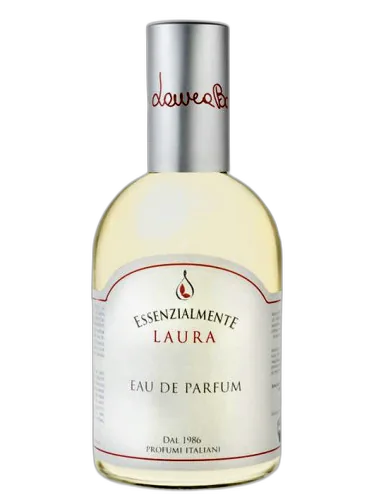
Essenzialmente Laura
Ebano Essenzialmente Laura
Shared top notes: vanilla

Brooklyn Perfume Company
Bpc Musk Brooklyn Perfume Company
Shared top notes: vanilla

Jeroboam
Insulo Jeroboam
Shared top notes: vanilla

Nemat International
Vanilla Musk Eau De Parfum Nemat International
Shared top notes: vanilla
Laura Mercier
Vanille Eau De Parfum Laura Mercier
Shared top notes: vanilla