


Wild Country Avon
At a glance
Is Wild Country Avon worth trying?
Wild Country by Avon is a Aromatic fragrance for men.
- Best match
- Evening wear in Fall, Winter
- Performance feel
- Moderate longevity with Moderate sillage
- Signature profile
- amber, aromatic, woody with Lemon, Coriander, Rhubarb
The first impression
Wild Country by Avon is a Aromatic fragrance for men. Wild Country was launched in 2004. The nose behind this fragrance is Christelle Laprade. Top notes are Lemon, Coriander and Rhubarb; middle notes are Lavender, Black Pepper and Palisander Rosewood; base notes are Amber, Vetiver and Leather.
What shapes the scent
The perfumer behind it

Christelle Laprade
Christelle Laprade is a French perfumer who has worked for major brands like Avon, Banana Republic, and Christian Siriano. Her creations include Luiza Brunet Intensa, Wild Country, Midnight Hour, Monday Rose, Tuberose Overdose, Velvet Pomegranate, Bullet, and Silhouette. Her style ranges from fresh and floral to rich and fruity.
Notes pyramid
Top Notes
First impression · 15-30 min
 Lemon
Lemon
 Coriander
 Rhubarb
Heart Notes
Core character · 2-4 hours
 Lavender
Black Pepper
Lavender
Black Pepper
 Palisander Rosewood
Base Notes
Lasting impression · 4+ hours
 Amber
Amber
 Vetiver
 Leather
The mood it creates
The Explorer Archetype: Portrait of Wild Country Avon
Essence
Wild Country by Avon is a fragrance that speaks of rugged independence-earthy, woody, with a touch of leather and spice. It is neither ostentatious nor delicate; it carries the quiet confidence of someone who values authenticity over ornamentation. The person who wears this scent does not seek to seduce or dominate but to embody a spirit of self-reliance and quiet adventure.
Style & Aesthetic
Their aesthetic is functional elegance-well-worn boots, sturdy jackets, simple but well-made tools. They prefer natural materials: leather, wood, iron. Their home, if they have one, is not cluttered with meaningless decor but filled with objects that tell a story-a hand-carved bowl, a map of a place they once traveled, books with dog-eared pages.
In music, they favor raw, unfiltered sounds-folk, blues, or the kind of rock that carries the grit of lived experience. Their taste in literature leans toward existential works, adventure tales, or anything that explores the edges of human endurance.
Philosophy & Values
Their philosophy is one of self-sufficiency. They distrust dogma and prefer wisdom earned through direct engagement with life. They admire those who carve their own path-artisans, pioneers, philosophers who question rather than conform. Tradition holds little sway unless it proves itself useful.
They value honesty-not the brutal kind that wounds, but the kind that refuses to wear masks. They despise pretense, finding it exhausting. Their relationships are built on mutual respect for independence; they do not cling, nor do they tolerate being clung to.
Yet, beneath this rugged exterior lies a quiet romanticism. They may not admit it, but they are drawn to the poetry of open roads, the melancholy of fading campfires, the beauty of impermanence. They do not sentimentalize these things-they simply recognize their truth.
Relationships
They are not a social butterfly, but neither are they a hermit. They form deep, selective bonds-friendships built on shared experiences rather than idle chatter. They respect those who stand on their own, who do not demand constant reassurance. Romantic partners must understand their need for space; they will not be caged, nor will they cage another.
Their love is fierce but undemanding. They show affection through actions-fixing a broken hinge, teaching a skill, sharing a quiet moment under the stars. Words of devotion come sparingly but sincerely.
Shadow
Yet, no archetype is without its shadow. The Explorer’s strength-their independence-can become their curse. Their aversion to commitment may harden into emotional detachment, leaving them isolated in their self-made exile. Their disdain for routine can morph into chronic dissatisfaction, always searching but never arriving.
At their worst, they may romanticize solitude to the point of self-sabotage, pushing away those who truly understand them. They may mistake movement for progress, confusing the act of fleeing with the act of seeking.
Conclusion
At their core, this individual is an Explorer, one of Jung’s fundamental archetypes. The Explorer is driven by a need for freedom, a refusal to be confined by convention, and a deep-seated curiosity about the world. They are not the reckless wanderer but the deliberate seeker-someone who finds meaning in movement, discovery, and the raw simplicity of experience.
Their life is a testament to the belief that stagnation is a kind of death. They thrive in environments where they can test their limits, whether through travel, intellectual pursuits, or hands-on craftsmanship. Routine suffocates them; novelty invigorates them. Yet, unlike the aimless drifter, they carry an inner compass-a set of principles that guide their journey.
If you like this, try these
Fragrances with a comparable profile - shared accords, notes, and character.
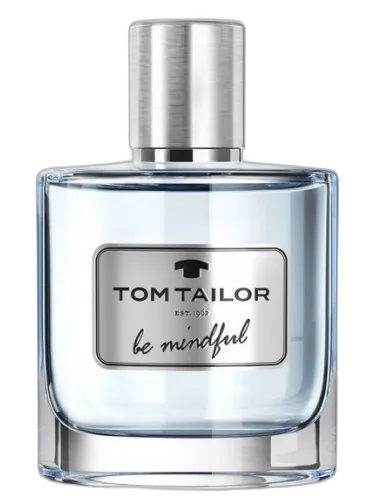
Tom Tailor
Be Mindful Man Tom Tailor
Shared top notes: lemon
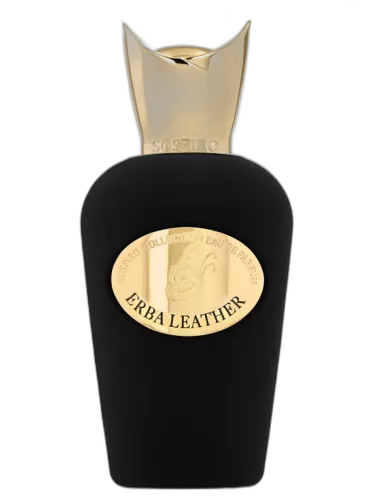
Sospiro Perfumes
Erba Leather Sospiro Perfumes
Shared top notes: lemon

Judith Leiber
More Spice! Judith Leiber
Shared top notes: lemon
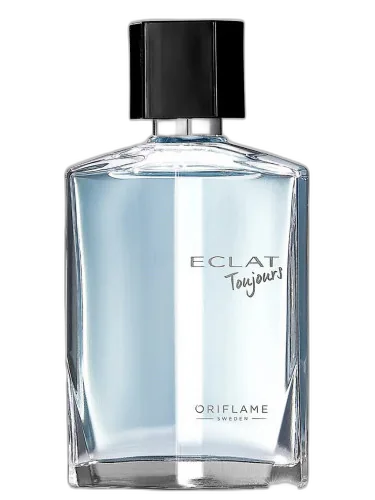
Oriflame
Eclat Toujours Oriflame
Shared top notes: lemon
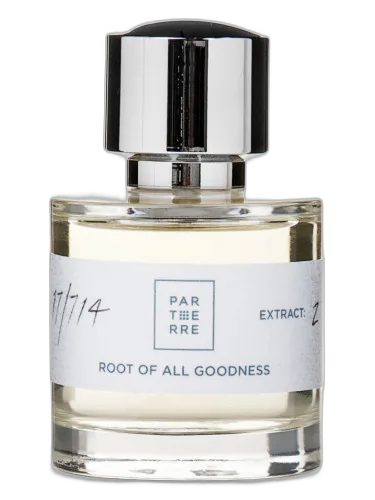
Parterre
Root Of All Goodness Parterre
Shared top notes: lemon