


Magnolia Petal Ayala Moriel
At a glance
Is Magnolia Petal Ayala Moriel worth trying?
Magnolia Petal by Ayala Moriel is a Floral Fruity fragrance for women.
- Best match
- Casual wear in Spring
- Performance feel
- Moderate longevity with Moderate sillage
- Signature profile
- amber, citrus, floral with Benzoin, Clementine, Tincture of Rose
The first impression
Magnolia Petal by Ayala Moriel is a Floral Fruity fragrance for women. The nose behind this fragrance is Ayala Moriel.
What shapes the scent
The perfumer behind it

Ayala Moriel
Ayala Moriel is an independent perfumer and natural fragrance specialist based in Vancouver, Canada. Her olfactory style emphasizes botanical ingredients and complex, evocative compositions that often draw from nature, art, and cultural traditions. Notable creations from her catalog include the resinous and woody <3, the dark and licorice-forward Black Licorice, and the seasonal, earthy Autumn. Her work has helped define the modern natural perfumery movement, inspiring a deeper appreciation for plant-based scent artistry.
Notes pyramid
All Notes
Complete scent profile
 Benzoin
 Clementine
 Tincture of Rose
 Apricot
 Copahu Balm
 Magnolia
The mood it creates
The Lover Archetype: Portrait of Magnolia Petal Ayala Moriel
Essence
To wear Magnolia Petal by Ayala Moriel is to embrace a fragrance that is delicate yet profound-soft petals unfolding under the morning sun, kissed by citrus and warmed by subtle spices. The person who chooses this scent is drawn to beauty in its most refined form, not as mere ornamentation but as an essential truth. They are, at their core, an embodiment of the Lover archetype, one who seeks harmony, connection, and the sublime in all things.
Style & Aesthetic
Their world is curated with intention. They favor flowing fabrics, muted pastels, and textures that invite touch-linen, silk, cashmere. Their home is an extension of their inner life: fresh flowers in handcrafted vases, well-worn books with gilded edges, a record player spinning Debussy or Satie. They do not chase trends but rather cultivate a timeless elegance, believing that true style is an expression of the soul rather than a submission to fashion.
Yet this devotion to beauty is not superficial. It is a philosophy-a belief that the senses are gateways to deeper truths. They may collect art, not for investment but because a particular painting stirs something ineffable within them. They prefer handwritten letters to texts, slow meals to fast food, and would rather sit under a magnolia tree in bloom than in a crowded, noisy bar.
Their daily rhythms are deliberate. Mornings begin with tea in a favorite cup, evenings with candlelight and music. They are drawn to slow, meaningful work-perhaps as a writer, a perfumer, a florist, or a therapist. If they must labor in a corporate world, they carve out pockets of beauty within it: a desk adorned with fresh blooms, a lunch break spent in a sunlit park.
They travel not to check off landmarks but to absorb the essence of a place-the scent of jasmine in a Tuscan courtyard, the sound of rain on Kyoto’s temple roofs. They are collectors of moments, not things.
Philosophy & Values
For them, life is not merely to be lived but to be felt. They reject the cold utilitarianism of modern existence, seeking instead a world where emotion and aesthetics hold equal weight to logic. They are drawn to poetry, to the melancholy of Rilke, the passion of Neruda, or the quiet wisdom of Mary Oliver. Their spirituality, if they have one, is likely eclectic-borrowing from Zen gardens, Sufi poetry, or the quiet mysticism of Celtic folklore.
They value intimacy over popularity, depth over breadth. Their friendships are few but profound, built on shared silences as much as shared words. Romantic relationships are their crucible-they love intensely, sometimes too much, for they are prone to idealization. To them, love is not merely an emotion but a sacred act, a merging of souls.
Relationships
They are the confidant, the one who listens with their whole being. When they love, they do so with an almost devotional intensity-remembering anniversaries, crafting thoughtful gifts, noticing the slightest shift in a loved one’s mood. But herein lies their shadow: the Lover’s curse is enchantment.
They can become lost in their own idealism, projecting fantasies onto others rather than seeing them as they are. Disillusionment cuts deep, and when love fails-as it sometimes must-they retreat into melancholy, nursing wounds that feel existential rather than personal. They may cling to relationships long after they have soured, fearing the void that separation brings.
Shadow
Their greatest strength-their capacity for deep feeling-can also be their undoing. When unbalanced, they may slip into sentimentality, mistaking nostalgia for wisdom. They might avoid necessary conflict, preferring harmony at any cost, even self-betrayal. Their fear of losing love can make them passive, allowing others to dictate their happiness.
At their worst, they become the Martyr, sacrificing too much in the name of devotion. They may romanticize suffering, believing that pain is the price of depth. But true love, as they must learn, does not demand self-annihilation.
Conclusion
To evolve, they must temper their idealism with discernment. Beauty is not only in the perfect bloom but in the broken branch, the wilted petal, the storm that reshapes the garden. They must learn that love, to endure, requires both surrender and boundaries.
In the end, the one who wears Magnolia Petal is a seeker of the eternal in the ephemeral. Their life is a quiet rebellion against the transactional, a testament to the belief that to feel deeply is not a weakness but the highest form of courage.
If you like this, try these
Fragrances with a comparable profile - shared accords, notes, and character.
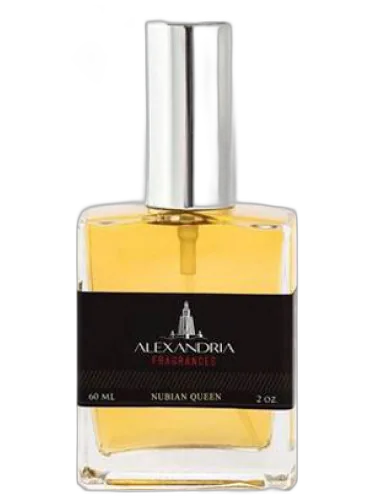
Alexandria Fragrances
Nubian Queen Alexandria Fragrances
Shared top notes: benzoin
Roccobarocco
Roccobarocco White Roccobarocco
Shared accords: amber, citrus, floral
Fragrance One
Day Fragrance One
Shared top notes: apricot, benzoin
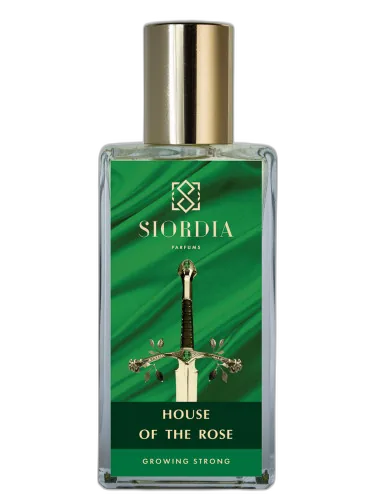
Siordia Parfums
House Of The Rose Siordia Parfums
Shared top notes: apricot

Chlorophylla
Ma Belle Chlorophylla
Shared top notes: clementine