
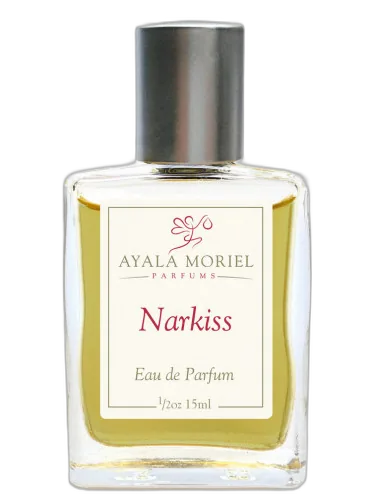

Narkiss Ayala Moriel
At a glance
Is Narkiss Ayala Moriel worth trying?
Narkiss by Ayala Moriel is a Floral fragrance for women and men.
- Best match
- Evening wear in Spring
- Performance feel
- Good longevity with Moderate sillage
- Signature profile
- amber, floral, woody with Sichuan Pepper, Bergamot, Narcissus
The first impression
Narkiss by Ayala Moriel is a Floral fragrance for women and men. Narkiss was launched in 2014. The nose behind this fragrance is Ayala Moriel. Top notes are Sichuan Pepper and Bergamot; middle notes are Narcissus, Coffee blossom, Styrax, Orange Blossom and Iris; base notes are Amber, Pine Tree, Musk, Liatris and Hyrax.
What shapes the scent
The perfumer behind it

Ayala Moriel
Ayala Moriel is an independent perfumer and natural fragrance specialist based in Vancouver, Canada. Her olfactory style emphasizes botanical ingredients and complex, evocative compositions that often draw from nature, art, and cultural traditions. Notable creations from her catalog include the resinous and woody <3, the dark and licorice-forward Black Licorice, and the seasonal, earthy Autumn. Her work has helped define the modern natural perfumery movement, inspiring a deeper appreciation for plant-based scent artistry.
Notes pyramid
Top Notes
First impression · 15-30 min
 Sichuan Pepper
 Bergamot
Heart Notes
Core character · 2-4 hours
 Narcissus
 Coffee blossom
 Styrax
 Orange Blossom
 Iris
Iris
Base Notes
Lasting impression · 4+ hours
 Amber
Amber
 Pine Tree
 Musk
Musk
 Liatris
 Hyrax
Hyrax
The mood it creates
The Narkiss Devotee Archetype: Portrait of Narkiss Ayala Moriel
Essence
Archetype: The Lover (with shades of The Narcissist)
To wear Narkiss by Ayala Moriel is to embrace the paradox of beauty-both its intoxicating allure and its isolating depths. This fragrance, a poetic blend of narcissus, honey, and spice, is not for the timid or the indifferent. It is chosen by those who see the world through a lens of heightened sensation, who seek to be both the observer and the observed. The wearer of Narkiss is most closely aligned with The Lover archetype, but their shadow leans toward The Narcissist-not in the trivial sense of vanity, but in the mythic sense of self-absorption as both a sanctuary and a prison.
Style & Aesthetic
Their tastes are refined but never ostentatious. They prefer the subtle over the blatant, the suggestive over the explicit. In art, they are drawn to the Pre-Raphaelites-paintings where beauty is tinged with melancholy, where flowers wilt just as they reach full bloom. In music, they favor Debussy or Cocteau Twins-ethereal, fluid, dissolving at the edges. Their personal style is deliberate: flowing fabrics, muted earth tones with a single striking accent (a deep amber pendant, a scarf dyed the color of crushed violets). They dress not to impress others but to feel themselves more fully.
Their philosophy is one of aesthetic idealism. They believe beauty is not frivolous but essential, a language that speaks directly to the soul. Yet they are not naive-they know beauty can deceive, can seduce, can wound. They have felt all these things.
They live deliberately, curating their surroundings like a gallery. Their home is filled with objects that hold meaning: a dried bouquet from a long-ago summer, a well-worn volume of Rilke, a single perfect seashell placed just so. They are not materialistic in the conventional sense-they disdain clutter and excess-but they are deeply attached to the essence of things.
Their daily rituals are sacred: morning tea sipped slowly, the deliberate application of scent, an evening walk just as the light fades. They are not hurried people. Time, for them, is something to be savored, not spent.
Relationships
They love deeply but conditionally. Their affections are not easily won, for they demand a certain recognition from others-a mirroring of their own intensity. When they find it, they are fiercely loyal, almost devotional. But when they feel unseen, they retreat into a private world where their own company is the only one that satisfies.
Romantically, they are drawn to those who possess an elusive quality-someone just out of reach, someone who makes them ache with longing. They are prone to infatuations that border on the poetic, but they struggle with the mundane realities of love: compromise, routine, the slow erosion of mystery. Their shadow emerges here-when their need for admiration tips into a hunger for validation, when their lover’s failure to reflect them perfectly becomes a source of quiet resentment.
Shadow
Their greatest strength-their capacity for deep feeling, their reverence for beauty-is also their weakness. When unbalanced, they become trapped in their own reflections, mistaking self-awareness for self-obsession. They may grow impatient with those who do not share their sensitivities, dismissing them as coarse or unfeeling. Their pursuit of the exquisite can become a form of escapism, a way to avoid the messiness of ordinary life.
At their worst, they are like the mythic Narcissus-entranced by an image that can never love them back. But at their best, they remind us that beauty is not an indulgence but a necessity, that to be alive is to be awake to the world’s fleeting, fragile splendor.
Conclusion
Narkiss is not merely a scent they wear; it is an extension of their being. It captures their duality-the honeyed warmth of their charm, the sharp spice of their wit, the faint melancholy that lingers beneath the surface. They are not always easy to know, but they are impossible to forget. And perhaps, in the end, that is all they truly desire: to leave an imprint, however faint, on the world’s memory.
If you like this, try these
Fragrances with a comparable profile - shared accords, notes, and character.
Creed
Royal Service Creed
Shared top notes: bergamot

Zara
Cool Heights Zara
Shared top notes: bergamot, sichuan pepper
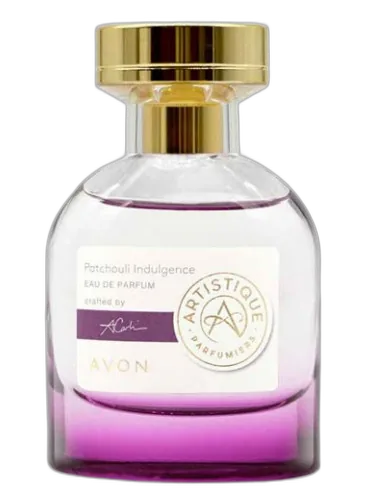
Avon
Patchouli Indulgence Avon
Shared top notes: bergamot, sichuan pepper

Giorgio Armani
Emporio Armani Diamonds Black Carat For Him Giorgio Armani
Shared top notes: bergamot, sichuan pepper
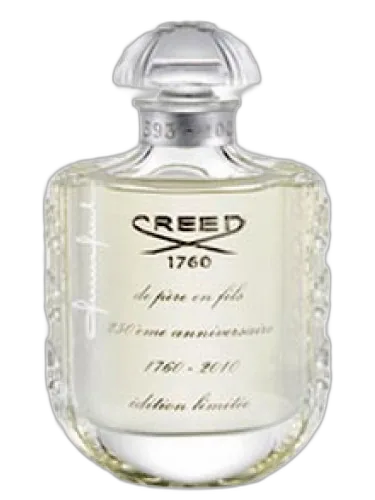
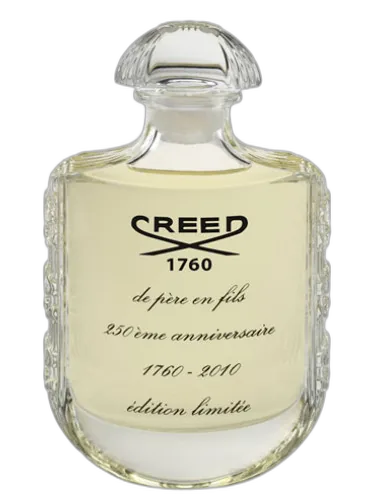
Creed
250 Years Anniversary Creed
Shared top notes: bergamot