


Song For A Wanderer Azman
Fragrance Story
Composition Profile
About the Perfumer

Unknown Perfumer
Fragrance Notes
All Notes
Complete scent profile
Song For A Wanderer Azman by Azman offers a distinctive olfactory experience that stands out from other fragrances in its category.
Crafted with the finest ingredients and a blend of traditional and modern perfumery techniques, this fragrance represents the pinnacle of the perfumer's art.
Song For A Wanderer Azman embodies the distinctive style of Azman while adding a unique chapter to their fragrance portfolio.
Character Profile
The Wanderer Archetype: Portrait of Song For A Wanderer Azman
Essence
The one who wears Song for a Wanderer Azman is defined by the Seeker archetype-a soul in perpetual motion, driven by an insatiable hunger for meaning, experience, and the uncharted. Like Odysseus or the lone wolf of myth, they are not merely a traveler of places but of ideas, emotions, and inner landscapes. The Seeker resists stagnation, fearing it as a kind of spiritual death. Their fragrance-earthy, woody, with whispers of spice and distant horizons-is an olfactory manifesto: a declaration that they belong to no single place, but to the journey itself.
Style & Aesthetic
Their aesthetic is unstudied yet deliberate, a mix of ruggedness and refinement. Leather jackets softened by time, well-worn boots that have crossed continents, a scarf that carries the scent of foreign cities-these are their armor. They do not dress to impress, but to express: their clothes tell stories, not of vanity, but of lived experience.
In conversation, they are intense yet elusive, speaking in metaphors and half-finished thoughts, as if language itself is too confining. They listen deeply, but their gaze often drifts to the horizon, as though already dreaming of the next departure.
Philosophy & Values
To live as the Seeker is to embrace a paradox: the deeper they wander, the more they long for something just beyond reach. Their philosophy is one of radical curiosity, a refusal to accept life as it is handed to them. They question traditions, challenge conventions, and often reject the well-trodden path in favor of the road less traveled. Yet this is not mere rebellion-it is a sincere pursuit of authenticity.
They are drawn to books that unravel the human condition, music that evokes vast landscapes, and art that disturbs as much as it enchants. Their tastes are eclectic, favoring the raw over the polished, the mysterious over the obvious. They might collect odd trinkets from their travels-a stone from a desert, a faded postcard from a nameless town-each a talisman of a moment they refuse to let slip into oblivion.
Relationships
The Seeker loves fiercely but fleetingly. Their relationships are marked by passion and impermanence-they give themselves fully, but the moment they sense stagnation, the old restlessness returns. They are drawn to kindred spirits-other wanderers, thinkers, misfits-but struggle with the mundane demands of long-term commitment.
Their shadow here is emotional transience-a fear of being truly known, for to be known is to risk being anchored. They may leave lovers and friends bewildered, wondering if they were ever truly present. Yet those who understand them recognize that their love, though transient, is never insincere.
Shadow
The Seeker’s greatest strength-their refusal to settle-is also their deepest flaw. When unchecked, their wanderlust becomes a form of escape, a way to avoid confronting inner voids. They may mistake motion for growth, accumulating experiences without ever integrating them. At their worst, they become the Eternal Stranger, always passing through, never belonging, haunted by the fear that they are running not toward something, but away from themselves.
Conclusion
For the Seeker to find balance, they must learn that not all journeys require movement. True discovery can happen in stillness, in the quiet moments between departures. If they can pause long enough to let the world leave its mark on them-rather than always leaving their mark on the world-they may find that what they were seeking was within them all along.
And yet, even knowing this, they will always be drawn to the open road, to the scent of distant fires, to the next unknown horizon. For that is their nature-and in that, they are utterly, beautifully human.
Similar Fragrances
Fragrances with a comparable profile - shared accords, notes, and character.

Stéphanie de Bruijn - Parfum sur Mesure
Samarcande Stéphanie De Bruijn - Parfum Sur Mesure
Shared accords: aromatic, citrus, earthy
Azman
Song For A Wanderer Azman
Shared accords: aromatic, citrus, earthy

Lulu Castagnette
Piège De Lulu Castagnette Lulu Castagnette
Shared accords: citrus, earthy, fruity
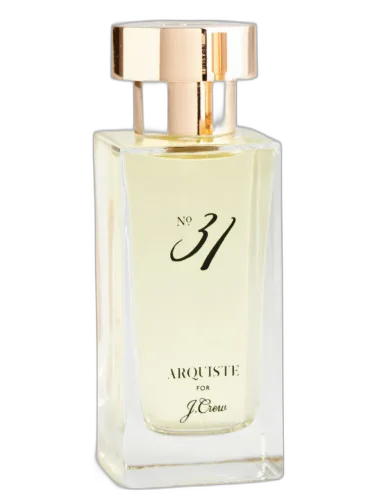
Arquiste
J.crew No. 31 Arquiste
Shared accords: aromatic, earthy, fruity

Beary
Rose Woud Beary
Shared accords: aromatic, earthy, fruity