


Where We Used To Live Azman
At a glance
Is Where We Used To Live Azman worth trying?
Where We Used To Live by Azman is a fragrance for women and men.
- Best match
- Casual, Office wear in Spring, Summer
- Performance feel
- Good longevity with Moderate sillage
- Signature profile
- white floral, fruity, floral with Cassis, Honeysuckle, Magnolia
The first impression
Where We Used To Live by Azman is a fragrance for women and men. This is a new fragrance. Where We Used To Live was launched in 2022. The nose behind this fragrance is Euan McCall. Top notes are Cassis, Honeysuckle and Magnolia; middle notes are Osmanthus, Orange Blossom, Heliotrope, Jasmine, Rose and Saffron; base notes are Vanilla, Cypriol Oil or Nagarmotha, Agarwood (Oud), Musk, Patchouli and Vetiver.
What shapes the scent
The perfumer behind it

Euan McCall
Euan McCall is a perfumer with a diverse portfolio spanning Azman, BeauFort London, and Jorum Studio. His creations include Where We Used To Live, Cape Wrath, Pyroclasm, The Grudge, Arborist, Askr, Athenaeum, and Boswellia Scotia. His work often explores atmospheric, narrative-driven compositions with bold and unconventional elements.
Notes pyramid
Top Notes
First impression · 15-30 min
Cassis
 Honeysuckle
 Magnolia
Heart Notes
Core character · 2-4 hours
 Osmanthus
 Orange Blossom
 Heliotrope
 Jasmine
 Rose
Rose
 Saffron
Base Notes
Lasting impression · 4+ hours
 Vanilla
 Cypriol Oil or Nagarmotha
 Agarwood (Oud)
 Musk
Musk
 Patchouli
 Vetiver
The mood it creates
The Wanderer Archetype: Portrait of Where We Used To Live Azman
Essence
Where We Used To Live embodies the Wanderer, a soul drawn to the liminal spaces between memory and discovery. The fragrance's honeysuckle and magnolia evoke half-remembered gardens, while saffron and oud anchor the journey in earthy resilience. Like the Wanderer, it is neither fully rooted nor entirely untethered, existing in the bittersweet overlap of nostalgia and reinvention.
Style & Aesthetic
They wear linen shirts softened by travel and scarves dyed with botanical inks. Their home is a collage of found objects: a seashell from Marseille, a faded postcard pinned to a corkboard. The scent's osmanthus and vetiver mirror their aesthetic-faded elegance with a whisper of wilderness, as if each piece carries a story yet to be told.
Philosophy & Values
They measure life in encounters, not possessions. The fragrance's balance of floral brightness and woody depth reflects their belief that growth requires both movement and reflection. They value impermanence, finding beauty in the way cassis berries burst briefly before yielding to the steadiness of patchouli.
Relationships
Their connections are deep but transient, like the scent's jasmine blooming only at dusk. Lovers are drawn to their restlessness but often ache for more stability than they can offer. Friends appreciate their ability to make any corner of the world feel like a shared secret, even if just for an evening.
Lifestyle
They keep a journal filled with pressed flowers and train tickets. Mornings might find them in a Parisian café or a Kyoto teahouse, always with a book and a cup of something fragrant. The fragrance's moderate sillage mirrors their preference for leaving gentle impressions rather than overwhelming a space.
Shadow
Their freedom can become evasion, using motion to avoid commitment. The nagarmotha's earthiness risks being drowned by the top notes' flightiness, just as their fear of stagnation may keep them from planting roots. When unbalanced, they romanticize solitude to the point of loneliness.
Conclusion
Where We Used To Live is a scent for those who find home in the act of seeking. It honors the Wanderer's paradox: the more they roam, the richer their inner landscape becomes, much like the fragrance's layers unfolding across skin.
If you like this, try these
Fragrances with a comparable profile - shared accords, notes, and character.
Cafe Parfums
Cafe Expresso Cafe Parfums
Shared heart notes: heliotrope, jasmine, orange blossom
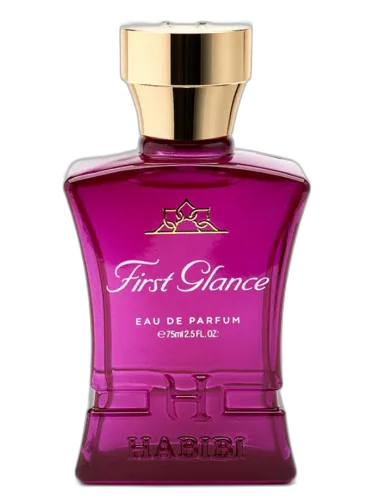
Habibi NY
First Glance Habibi Ny
Shared top notes: cassis

Laurence Dumont
I'm Free Cherry Cherie Laurence Dumont
Shared top notes: cassis
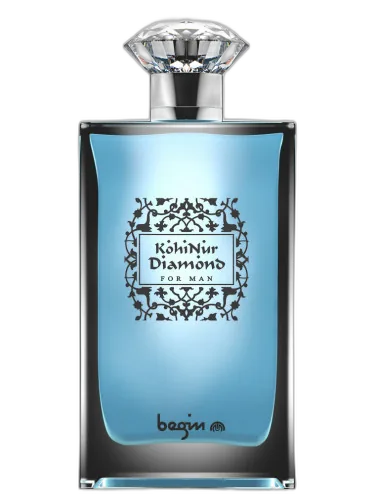
Begim
Kohinur Diamond For Man Begim
Shared heart notes: jasmine, rose
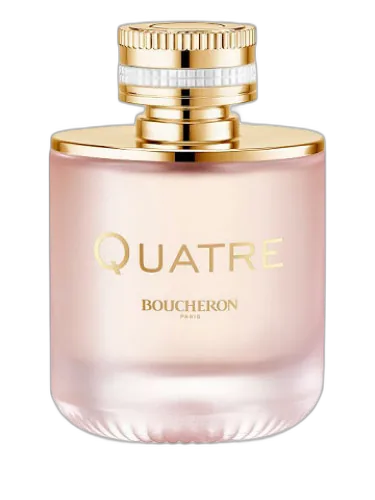
Boucheron
Boucheron Quatre En Rose Boucheron
Shared heart notes: jasmine, rose