

Hispaniola Bale Perfumes
At a glance
Is Hispaniola Bale Perfumes worth trying?
Hispaniola by Bale Perfumes is a Oriental Woody fragrance for women and men.
- Best match
- Evening wear in Fall
- Performance feel
- Very Good longevity with Strong sillage
- Signature profile
- vanilla, balsamic, warm spicy with Red Mandarin, Bergamot, Ginger
The first impression
Hispaniola by Bale Perfumes is a Oriental Woody fragrance for women and men. This is a new fragrance. Hispaniola was launched in 2024. The nose behind this fragrance is Alan Balewski. Top notes are Red Mandarin, Bergamot and Ginger; middle notes are Copaiba balm, Vanilla and Vetiver; base notes are Blue Amber, Benzoin, Salt and Musk.
What shapes the scent
The perfumer behind it

Alan Balewski
Alan Balewski is a Polish perfumer known for his work with Bale Perfumes and the Chronicles - Scents of History series. His style blends naturalistic, often green and aquatic notes with a subtle, evocative storytelling quality. Notable creations include Elderflower & Gooseberry, Mare Goticum, and Boston Tea Party, 1773, which showcase his ability to translate landscapes and historical moments into scent.
Notes pyramid
Top Notes
First impression · 15-30 min
 Red Mandarin
 Bergamot
 Ginger
Heart Notes
Core character · 2-4 hours
 Copaiba balm
 Vanilla
 Vetiver
Base Notes
Lasting impression · 4+ hours
 Blue Amber
 Benzoin
 Salt
Salt
 Musk
Musk
The mood it creates
The Explorer Archetype: Portrait of Hispaniola Bale Perfumes
Essence
Hispaniola Bale is a fragrance that evokes the untamed-spices, tobacco, rum, and the salty breeze of distant shores. It is not a scent for those who seek comfort in the familiar, but for those who crave the intoxicating thrill of the unknown. The person who wears it is not merely a traveler but an Explorer, one of Jung’s fundamental archetypes. The Explorer thrives on discovery, not just of places, but of ideas, sensations, and the hidden layers of life. They are drawn to the edges of the map, both literally and metaphorically.
Shadow
Yet, this archetype carries its own burdens. Their relentless pursuit of the new can become a form of escapism. They may mistake motion for growth, accumulating experiences without ever integrating them. The shadow of the Explorer is the Wanderer-someone who cannot stay, not because they are brave, but because they fear what stillness might reveal.
Commitment is their greatest challenge. They may leave lovers, friendships, or projects unfinished, always chasing the next horizon. Their independence, while admirable, can harden into isolation. They risk becoming spectators of life rather than participants, observing from a distance but never truly belonging.
At their worst, they romanticize their own detachment, mistaking it for enlightenment. They may grow impatient with those who prefer stability, dismissing them as "ordinary" when, in truth, their own restlessness may be a mask for unresolved fears.
Conclusion
This individual moves through the world with a restless curiosity. Their tastes are eclectic, favoring the bold over the bland-rich, complex flavors in food, music that carries the echoes of foreign lands, and literature that challenges conventions. Their style is an effortless blend of the worldly and the unconventional: well-worn leather jackets, handcrafted jewelry from obscure markets, fabrics that tell stories of distant cultures. They disdain mass-produced trends, preferring objects with history and soul.
Philosophically, they reject dogma. Their values are rooted in freedom-not the reckless kind, but the deliberate pursuit of self-expansion. They believe life is meant to be lived expansively, not cautiously measured. Relationships for them are intense but often transient; they love deeply but are wary of confinement. Their closest bonds are with those who understand their need for space, who do not mistake their wandering for indifference.
If you like this, try these
Fragrances with a comparable profile - shared accords, notes, and character.
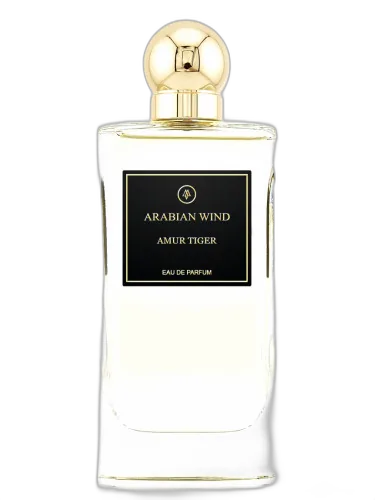
Arabian Wind
Amur Tiger Arabian Wind
Shared top notes: bergamot, ginger

Ex Nihilo
The Hedonist Musc Ex Nihilo
Shared top notes: bergamot, ginger
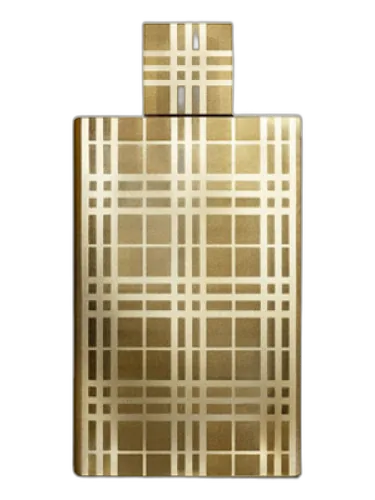
Burberry
Burberry Brit Gold Burberry
Shared top notes: bergamot
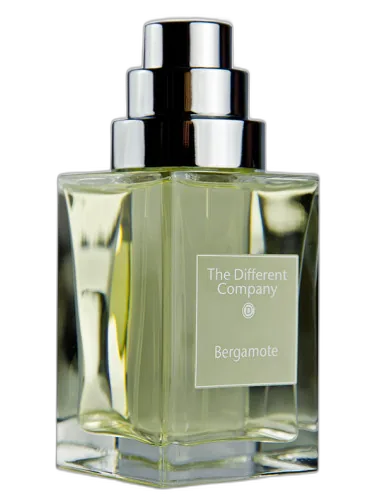
The Different Company
Bergamote The Different Company
Shared top notes: bergamot, ginger
Sandovalis
Club D'esgrima Sandovalis
Shared top notes: bergamot