
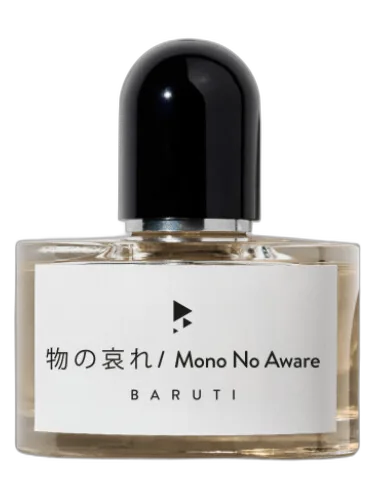

Mono No Aware Baruti
At a glance
Is Mono No Aware Baruti worth trying?
Mono No Aware by Baruti is a fragrance for women and men.
- Best match
- Casual wear in Spring
- Performance feel
- Good longevity with Moderate sillage
- Signature profile
- powdery, green, floral with Matcha Tea, Cherry Blossom, Cedar
The first impression
Mono No Aware by Baruti is a fragrance for women and men. This is a new fragrance. Mono No Aware was launched in 2024. The nose behind this fragrance is Spyros Drosopoulos.
What shapes the scent
The perfumer behind it

Spyros Drosopoulos
Spyros Drosopoulos has created fragrances for Baruti and Annindriya, including Berlin Im Winter, Chai, and Indigo. His work often features unconventional and evocative themes. He is known for his artistic and narrative-driven approach to perfumery.
Notes pyramid
All Notes
Complete scent profile
 Matcha Tea
 Cherry Blossom
 Cedar
Cedar
 Musk
Musk
The mood it creates
The Mono No Aware Baruti Enthu Archetype: Portrait of Mono No Aware Baruti
Essence
This person is defined by the Poet archetype, a soul attuned to the beauty of impermanence, the melancholy of fleeting moments, and the sublime in the ordinary. The fragrance Mono No Aware-a scent evoking the Japanese concept of "the pathos of things"-resonates with their deep sensitivity to the ephemeral nature of existence. They do not merely observe life; they feel it, translating raw experience into meaning through art, introspection, or quiet reverence.
Style & Aesthetic
Their style is understated yet deliberate, favoring textures that evoke nostalgia: worn linen, aged paper, the patina of well-loved leather. They may dress in muted tones-soft grays, deep blues, earthy browns-with occasional flashes of poetic contrast: a single antique ring, a scarf dyed with indigo. Their home is a sanctuary of minimalism, where every object holds meaning-a dried flower pressed in a book, a handwritten letter kept for years.
In music, they gravitate toward ambient soundscapes, classical compositions, or folk melodies that carry the weight of time. They read poetry more than novels, savoring the spaces between words. Their taste in art leans toward the impressionistic, the unfinished-works that suggest rather than declare.
They thrive in environments that allow contemplation-a small apartment with large windows, a cabin near the woods, a city with pockets of quiet. They may keep a journal, not for recording events but for capturing fleeting emotions. Their daily rituals are sacred: morning tea sipped slowly, evening walks taken without destination.
Work is meaningful only if it aligns with their inner world. They may be writers, artists, therapists, or archivists-professions that honor depth and transience. Routine mundanity drains them; they need space for reflection, or else they wither.
Philosophy & Values
For them, life is not a series of events but a tapestry of impressions-each one fragile, transient, yet profoundly significant. They embrace the philosophy that beauty is inseparable from loss, and this awareness shapes their worldview. They may find solace in Zen Buddhism, existentialism, or Romantic poetry, drawn to thinkers like Rilke, Pessoa, or even the Stoics, who understood the weight of impermanence.
They value depth over permanence, preferring a single meaningful conversation to a lifetime of superficial connections. Their ethics are fluid, shaped by empathy rather than rigid dogma. They believe in the sanctity of small moments-the way light filters through leaves, the scent of rain on warm pavement-and they carry these impressions like sacred relics.
Relationships
They are not gregarious but form intense, soulful bonds with a select few. Their friendships are built on shared silences as much as shared words. Romantic relationships are deep but often tinged with melancholy-they love fiercely but fear attachment, knowing all things must pass.
They are drawn to people who understand the unsaid, who do not demand explanations for their quiet moods. Yet, they can be elusive, retreating into solitude when overwhelmed. Their shadow in relationships is a tendency toward emotional withdrawal, leaving others longing for more presence than they can give.
Shadow
Their greatest strength-their sensitivity-is also their deepest flaw. When unbalanced, they can become lost in nostalgia, paralyzed by the weight of passing time. They may romanticize sorrow, mistaking depth for suffering. Their avoidance of permanence can manifest as fear of commitment, an inability to fully engage with the present.
At their worst, they withdraw into a self-made labyrinth of longing, where beauty becomes a prison rather than a revelation. They must learn that impermanence does not negate meaning-it amplifies it.
Conclusion
This person is a living testament to the idea that the most profound truths are found in what does not last. Their love for Mono No Aware Baruti is no accident-it is the scent of their soul, a fragrance woven from memory, longing, and the quiet grace of things that fade. They walk the line between sorrow and ecstasy, finding in both the same essential truth: to love the world is to release it.
And yet, if they can embrace the present without fear, their sensitivity becomes not a wound but a gift-a way of seeing the world in all its fleeting, heartbreaking beauty.
If you like this, try these
Fragrances with a comparable profile - shared accords, notes, and character.
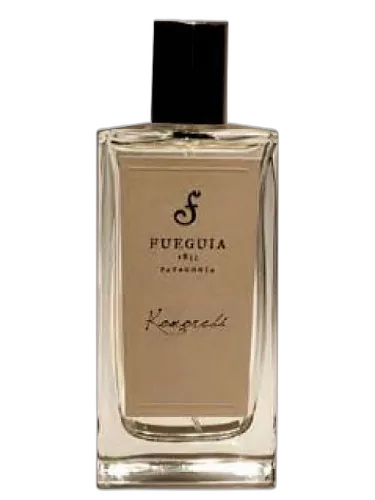
Fueguia 1833
Komorebi Fueguia 1833
Shared top notes: cherry blossom, musk

Menard
Eau De M Soar Menard
Shared top notes: cedar, musk
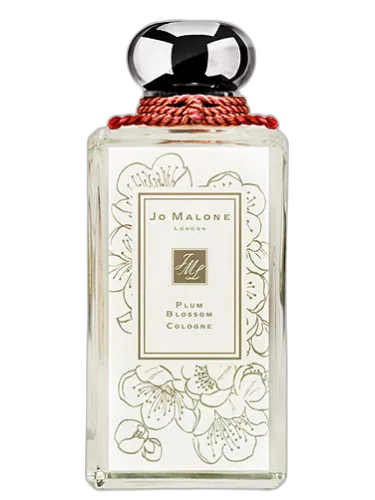
Jo Malone London
Plum Blossom Jo Malone London
Shared top notes: musk

Teaology
Matcha Lemon Teaology
Shared top notes: cedar, matcha tea, musk

Bel Rebel
...& The Pea Bel Rebel
Shared top notes: cedar, musk