


Pure Wonder Bath & Body Works
Fragrance Story
Pure Wonder by Bath & Body Works is a Oriental Floral fragrance for women. Pure Wonder was launched in 2021.
Composition Profile
About the Perfumer

Unknown Perfumer
Fragrance Notes
All Notes
Complete scent profile
 Star Jasmine
White Amber
Star Jasmine
White Amber
 Ice
Ice
 Rose
Rose
Pure Wonder Bath & Body Works by Bath & Body Works offers a distinctive olfactory experience that stands out from other fragrances in its category.
Crafted with the finest ingredients and a blend of traditional and modern perfumery techniques, this fragrance represents the pinnacle of the perfumer's art.
Pure Wonder Bath & Body Works embodies the distinctive style of Bath & Body Works while adding a unique chapter to their fragrance portfolio.
Character Profile
The Archetype Archetype: Portrait of Pure Wonder Bath & Body Works
Essence
To wear Pure Wonder by Bath & Body Works is to embrace the delicate dance between the ephemeral and the tangible. This fragrance-soft, luminous, and subtly sweet-speaks of a soul who seeks beauty in the fleeting, who finds solace in the quiet glow of possibility. The person who chooses this scent is not one who clamors for attention but rather one who moves through life with a quiet radiance, drawing others in without force. Their archetype is unmistakable: the Innocent.
Shadow
Yet, the Innocent’s light casts a shadow. Their optimism, when unchecked, can become a refusal to face harsh truths. They may ignore red flags in relationships, clinging to the belief that love alone can mend all wounds. Disillusionment hits them harder than most, for they have not trained themselves in the art of resilience. Their avoidance of conflict can lead to passive-aggression or silent resentment, as they struggle to voice their darker emotions.
They may also fall into the trap of escapism-retreating into daydreams when reality becomes too abrasive. Their idealism, if not tempered with pragmatism, can leave them unprepared for life’s inevitable disappointments. They may be seen as fragile, even childlike, by those who mistake their gentleness for weakness.
Conclusion
The Innocent is driven by an unwavering belief in goodness, simplicity, and the potential for joy in even the smallest moments. They are not naive in the pejorative sense, but rather, they possess a deliberate optimism-a refusal to let cynicism taint their vision. Their philosophy is one of trust: in people, in fate, in the idea that life, when approached with an open heart, will unfold as it should.
They are drawn to soft pastels, airy fabrics, and uncluttered spaces. Their aesthetic is one of effortless grace-nothing too harsh, nothing too loud. They prefer the gentle warmth of morning light over the harsh glare of midday, the whisper of leaves over the clamor of crowds. Their taste in music, art, and literature leans toward the romantic, the dreamy, the nostalgic. They may adore impressionist paintings, where light blurs into emotion, or poetry that speaks of longing and quiet epiphanies.
Similar Fragrances
Fragrances with a comparable profile - shared accords, notes, and character.
Bath & Body Works
Pure Wonder Bath & Body Works
Shared accords: amber, floral, fresh
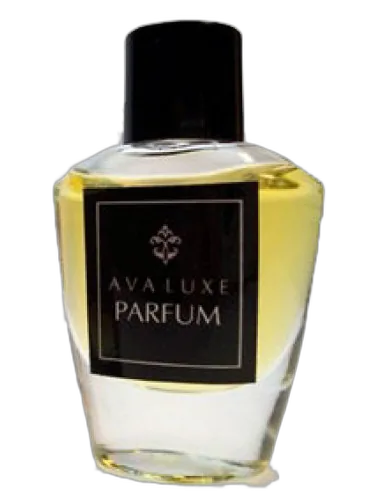
Ava Luxe
Gardenia Ava Luxe
Shared accords: aquatic, floral, fresh

Bottega del Profumo
Via Margutta Bottega Del Profumo
Shared accords: amber, floral, fresh

XD Xenia Design
Futures Xd Xenia Design
Shared accords: amber, floral, fresh
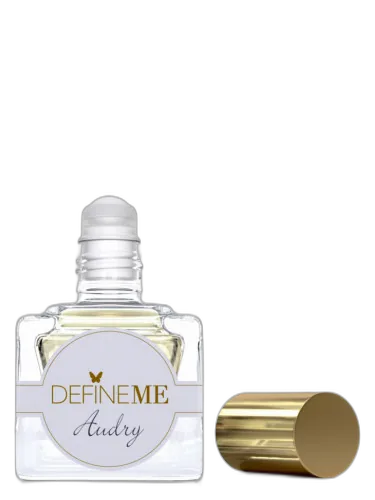
DefineMe
Audry Defineme
Shared accords: floral, fresh, rose