


Cape Wrath Beaufort London
At a glance
Is Cape Wrath Beaufort London worth trying?
Cape Wrath by BeauFort London is a fragrance for women and men.
- Best match
- Evening wear in Fall
- Performance feel
- Very Good longevity with Strong sillage
- Signature profile
- aromatic, fresh spicy, earthy with Angelica Root, elemi, Galbanum
The first impression
Cape Wrath by BeauFort London is a fragrance for women and men. This is a new fragrance. Cape Wrath was launched in 2024. The nose behind this fragrance is Euan McCall. Top notes are Angelica Root, elemi, Galbanum and Pink Pepper; middle notes are Geranium, Mastic or Lentisque and Frankincense; base notes are Oakmoss, Vetiver, Seaweed, Ambergris and Ambrette.
What shapes the scent
The perfumer behind it

Euan McCall
Euan McCall is a perfumer with a diverse portfolio spanning Azman, BeauFort London, and Jorum Studio. His creations include Where We Used To Live, Cape Wrath, Pyroclasm, The Grudge, Arborist, Askr, Athenaeum, and Boswellia Scotia. His work often explores atmospheric, narrative-driven compositions with bold and unconventional elements.
Notes pyramid
Top Notes
First impression · 15-30 min
 Angelica Root
 elemi
elemi
 Galbanum
 Pink Pepper
Heart Notes
Core character · 2-4 hours
 Geranium
 Mastic or Lentisque
Frankincense
Mastic or Lentisque
Frankincense
Base Notes
Lasting impression · 4+ hours
 Oakmoss
 Vetiver
 Seaweed
 Ambergris
 Ambrette
The mood it creates
The Cape Wrath Devotee Archetype: Portrait of Cape Wrath Beaufort London
Essence
The one who wears Cape Wrath by Beaufort London is not merely a lover of fragrance-they are a wielder of it. This scent, dark and tempestuous, forged from smoke, gunpowder, and damp earth, is the olfactory banner of the Outlaw. They reject the perfumed pleasantries of convention, choosing instead the raw, untamed essence of rebellion. The Outlaw does not seek approval; they carve their own path, indifferent to whether others follow or flee.
Style & Aesthetic
Their appearance is a manifesto. Leather jackets, worn but not battered; boots that have traversed both city streets and wild terrain; fabrics that whisper of storms and resilience. They favor textures that tell stories-scars, wrinkles, the patina of use. Their style is not careless but deliberate, a visual echo of their refusal to conform.
They are drawn to art that unsettles, music that thrums with dissonance, literature that strips away illusions. Noir films, post-punk albums, and existentialist novels line their shelves. Beauty, to them, is not in symmetry but in the raw edges of existence.
They thrive in environments that mirror their spirit-urban decay, coastal cliffs, abandoned warehouses repurposed into galleries or bars. They are nocturnal by inclination, finding clarity in the quiet of late hours. Their home is not a sanctuary but a command post, strewn with maps, half-finished projects, and relics of past rebellions.
They may work in creative fields, underground scenes, or any vocation that allows them to bend rules without breaking them entirely. Entrepreneurship suits them, as does any role where they can be both strategist and renegade.
Philosophy & Values
Their worldview is shaped by an unshakable belief in personal sovereignty. Rules are suggestions, traditions are chains, and societal norms are illusions to be shattered. They do not rage against order for the sake of chaos-they dismantle it only when it obstructs truth. Their morality is not derived from external doctrines but from an internal code, one that prizes authenticity above all else.
Yet this fierce independence carries a paradox: while they disdain authority, they are not anarchic. Their rebellion is purposeful, a means to reclaim something lost-freedom, meaning, or perhaps a forgotten primal self. They do not destroy for destruction’s sake; they destroy to rebuild.
Relationships
They do not collect friends-they attracts allies, challengers, and sometimes, adversaries. Their presence is magnetic but not always comforting. Some are drawn to their intensity; others recoil from it. Their love is fierce but demanding, their loyalty unshakable but conditional upon mutual respect.
Romantically, they are drawn to those who match their fire, not those who seek to tame it. They despise dependency, yet their greatest fear is not solitude but the possibility of becoming what they have always resisted: complacent, domesticated, dull.
Shadow
Every Outlaw risks becoming what they despise. Their strength-unyielding self-determination-can curdle into tyranny, a refusal to acknowledge any voice but their own. They may isolate themselves, mistaking solitude for strength and compromise for weakness.
At their worst, they become the Exile, no longer rebelling for a cause but simply because they no longer know how to belong. The fire that once illuminated now only burns, leaving them untethered, drifting between defiance and despair.
Conclusion
Cape Wrath is not a scent for the timid. It is the smell of a storm rolling in, of gunpowder lingering after a shot. To wear it is to declare oneself unafraid of the dark, to embrace the wildness within. But it is also a warning-a reminder that the line between liberation and destruction is perilously thin.
The Outlaw walks this line, not with arrogance but with awareness. They know the cost of their defiance, yet they choose it anyway. For them, the alternative-a life unchallenged, untested-is no life at all.
If you like this, try these
Fragrances with a comparable profile - shared accords, notes, and character.
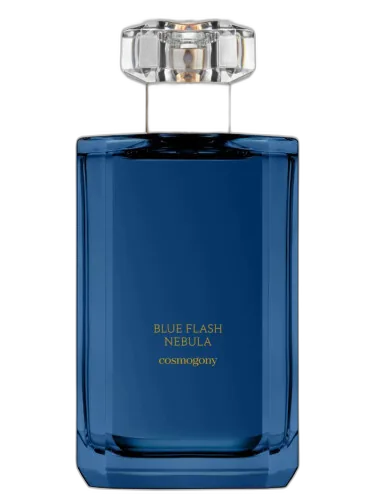
Cosmogony
Blue Flash Nebula Cosmogony
Shared heart notes: geranium
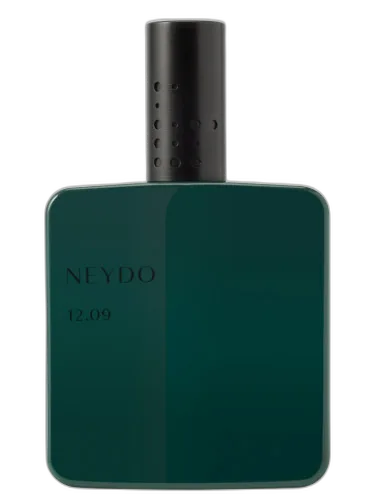
NEYDO
Mossland 12.09 Neydo
Shared top notes: pink pepper

Omanluxury
Royal Incense Omanluxury
Shared top notes: pink pepper

Electimuss
Puritas Electimuss
Shared top notes: elemi, pink pepper
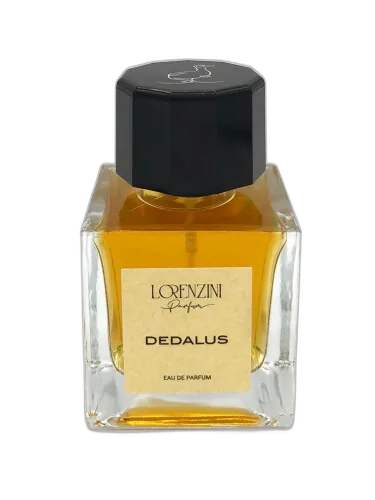
Lorenzini Parfum
Dedalus Lorenzini Parfum
Shared heart notes: geranium