
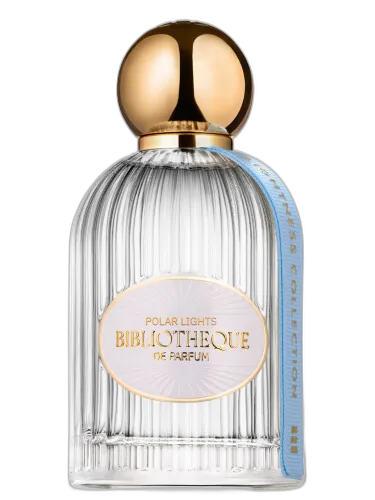

Polar Lights Bibliothèque De Parfum
Fragrance Story
Polar Lights by Bibliothèque de Parfum is a Citrus Aromatic fragrance for women and men. Polar Lights was launched in 2019. Top notes are Black Elder, Champagne, Apricot and Black Orchid; middle notes are Aldehydes, Green Tea and Peach; base notes are Whipped Cream, Mahogany and Blackwood.
Composition Profile
About the Perfumer

Unknown Perfumer
Fragrance Notes
Top Notes
First impression · 15-30 min
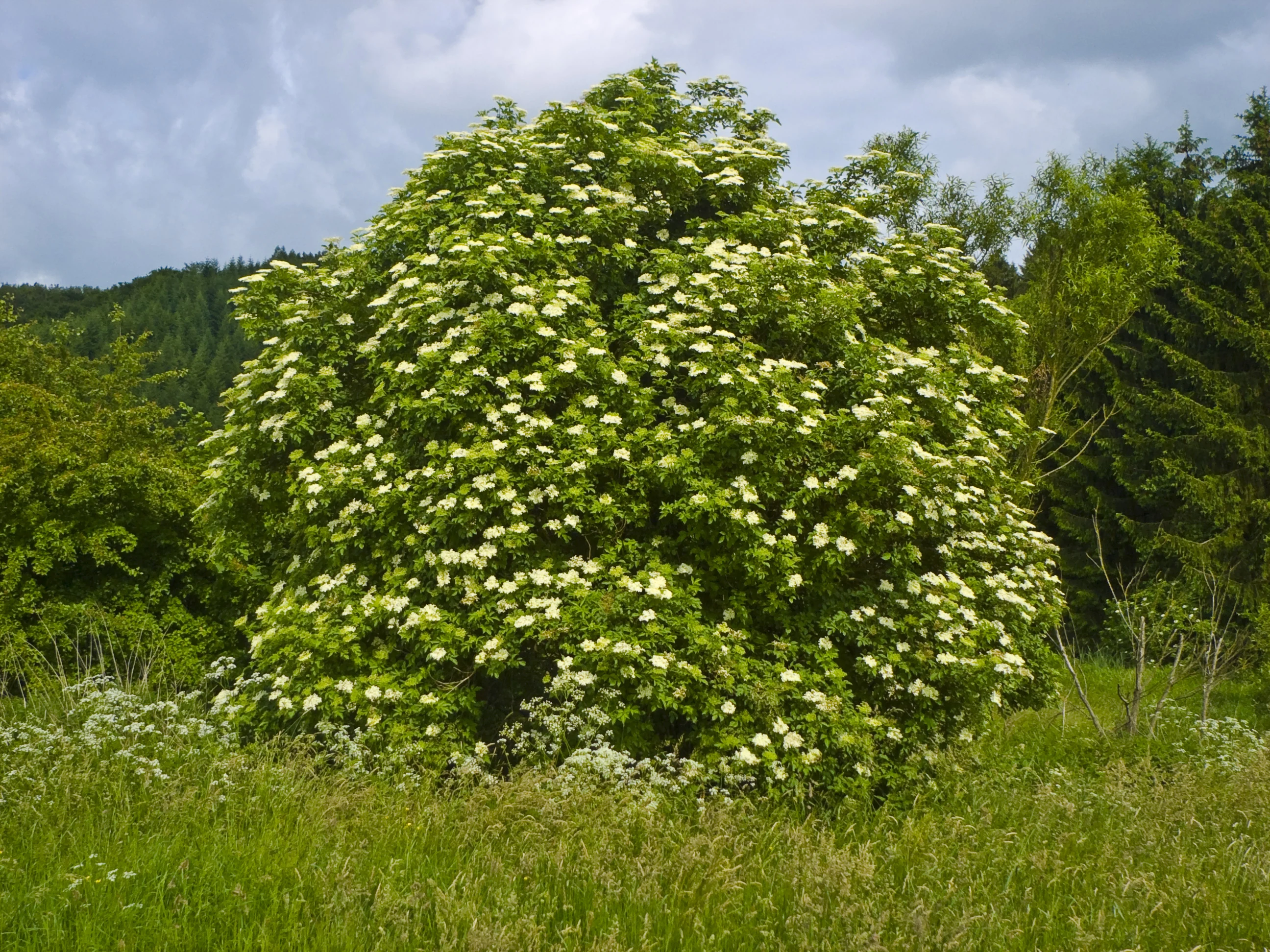 Black Elder
 Champagne
 Apricot
 Black Orchid
Heart Notes
Core character · 2-4 hours
 Aldehydes
Green Tea
Aldehydes
Green Tea
 Peach
Peach
Base Notes
Lasting impression · 4+ hours
Whipped Cream
 Mahogany
 Blackwood
Polar Lights Bibliothèque De Parfum by Bibliothèque de Parfum offers a distinctive olfactory experience that stands out from other fragrances in its category.
Crafted with the finest ingredients and a blend of traditional and modern perfumery techniques, this fragrance represents the pinnacle of the perfumer's art.
Polar Lights Bibliothèque De Parfum embodies the distinctive style of Bibliothèque de Parfum while adding a unique chapter to their fragrance portfolio.
Character Profile
The Biblioth Archetype: Portrait of Polar Lights Bibliothèque De Parfum
Essence
This person is, above all, a seeker of knowledge-not merely in the academic sense, but in the quiet, sensuous accumulation of wisdom. The fragrance Bibliothèque De Parfum (a scent evoking aged paper, leather bindings, and the faint sweetness of dried flowers) is their olfactory manifesto. They are the Sage, the archetype of the thinker, the curator of ideas, the one who finds transcendence in the written word and the weight of history.
The Sage does not merely read; they absorb, dissect, and reconstruct. Their mind is a labyrinth of references, their tastes refined by years of deliberate cultivation. They are drawn to the past not out of nostalgia, but because they believe truth is often buried in forgotten pages. Yet, like all archetypes, the Sage has a shadow-a tendency toward detachment, an over-intellectualization of emotion, and a quiet arrogance that can alienate those who do not share their reverence for the esoteric.
Philosophy & Values
They believe in the sacredness of thought. For them, life is not about accumulation but distillation-paring away the trivial to uncover what lasts. They are drawn to stoicism, not as a rigid doctrine, but as a framework for enduring life’s chaos with dignity.
Yet their reverence for intellect can become a cage. They sometimes mistake understanding for living, believing that if they can name a feeling-melancholy, longing, joy-they have experienced it fully. This is their great flaw: the mind, for all its brilliance, cannot replace the heart. They may analyze love rather than surrender to it, dissect beauty rather than be overwhelmed by it.
Shadow
When unbalanced, the Sage becomes the Recluse, retreating into the fortress of their mind. They may grow impatient with those who do not share their depth, dismissing simpler pleasures as vulgar or naive. Their wit, usually sharp and insightful, can turn caustic.
Worse, they may begin to fetishize solitude, believing that true understanding can only be found in isolation. This is a dangerous illusion-knowledge untested by human connection becomes sterile. The scent of old books is intoxicating, but it is not enough to sustain a soul.
Conclusion
Their world is one of deliberate aesthetic restraint. Their home is lined with books, not as decoration, but as companions-each spine a testament to a mind in perpetual motion. They prefer subdued colors: deep blues, warm browns, the faded gold of antique engravings. Their wardrobe is understated but precise-tailored wool, soft cashmere, perhaps a single piece of vintage jewelry with a story behind it.
They do not chase trends, but neither are they a hermit. They enjoy conversation, but only when it carries weight. Small talk is an affront to their sensibilities; they would rather discuss the symbolism in Borges’ Library of Babel or the melancholy of Satie’s Gymnopédies than the weather. Their friendships are few but profound, built on mutual respect for depth rather than convenience.
Similar Fragrances
Fragrances with a comparable profile - shared accords, notes, and character.
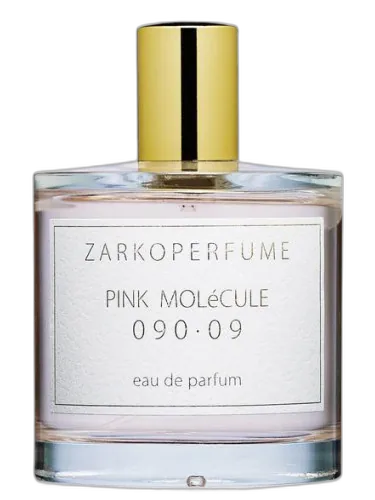
ZARKOPERFUME
Pink Molécule 090.09 Zarkoperfume
Shared accords: aldehydic, champagne, floral

Luxodor
Ottoman Sultana Luxodor
Shared accords: floral, fruity, lactonic
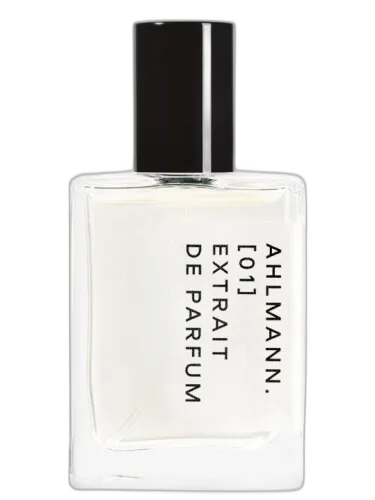
Synonyme
Ahlmann 01 Synonyme
Shared accords: aldehydic, champagne, floral
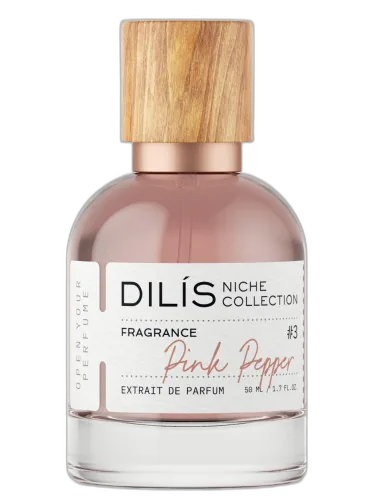
Dilís Parfum
#3 Pink Pepper Dilís Parfum
Shared accords: aldehydic, champagne, fruity

Calvin Klein
Euphoria Crystal Shimmer Edition Calvin Klein
Shared accords: floral, fruity, green