
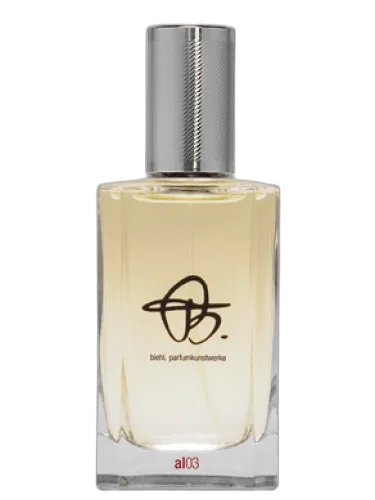
Al03 Biehl Parfumkunstwerke
At a glance
Is Al03 Biehl Parfumkunstwerke worth trying?
al03 by biehl parfumkunstwerke is a Floral Woody Musk fragrance for women and men.
- Best match
- Evening, Special Occasion wear in Spring, Fall
- Performance feel
- Very Good longevity with Strong sillage
- Signature profile
- aromatic, woody, fresh spicy with Lime, Bergamot, Lavender
The first impression
al03 by biehl parfumkunstwerke is a Floral Woody Musk fragrance for women and men. The nose behind this fragrance is Arturetto Landi. Top notes are Lime, Bergamot, Lavender, Mint, Gardenia, Petitgrain, Lemon, Pineapple and Peach; middle notes are Rosemary, Star Anise, Artemisia, Geranium, Tarragon, Nutmeg, Carnation, Iris, Orchid, Jasmine, Rose and Lily-of-the-Valley; base notes are Cedar, Leather, Vetiver, Incense, Patchouli, Castoreum, Labdanum, Oakmoss, White Musk and Ambergris.
What shapes the scent
The perfumer behind it
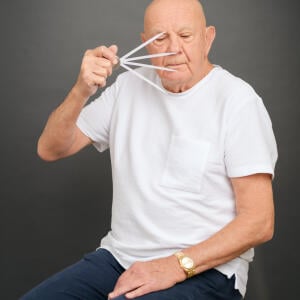
Arturetto Landi
Arturetto Landi is an Italian perfumer known for his work with brands like Adjiumi and Al-Jazeera Perfumes. His style balances classic structure with bold contrasts, often blending rich resins with unexpected floral or gourmand notes. Notable creations include the complex 1918 Parfum National series and the intense, darkly sweet Adjiumi Incubo.
Notes pyramid
Top Notes
First impression · 15-30 min
 Lime
Lime
 Bergamot
 Lavender
 Mint
Mint
 Gardenia
 Petitgrain
 Lemon
Lemon
 Pineapple
 Peach
Peach
Heart Notes
Core character · 2-4 hours
 Rosemary
 Star Anise
 Artemisia
 Geranium
 Tarragon
 Nutmeg
 Carnation
 Iris
Iris
 Orchid
 Jasmine
 Rose
Rose
 Lily-of-the-Valley
Base Notes
Lasting impression · 4+ hours
 Cedar
Cedar
 Leather
 Vetiver
 Incense
 Patchouli
 Castoreum
 Labdanum
 Oakmoss
 White Musk
 Ambergris
The mood it creates
The Sage Archetype: Portrait of Al03 Biehl Parfumkunstwerke
Essence
To wear Al03 by Biehl Parfumkunstwerke is to embrace a scent that is at once intellectual and enigmatic-cool, metallic, yet subtly alive with vegetal whispers. It is not a fragrance for those who seek immediate recognition or warmth; it is for the one who values depth, precision, and the quiet thrill of the undiscovered. This person is, above all, a Sage-an archetype defined by wisdom, curiosity, and a relentless pursuit of truth. But like all archetypes, the Sage has a shadow: the risk of detachment, of becoming lost in thought rather than action, of preferring the abstract to the tangible.
Relationships
The Sage values depth in relationships but often struggles with the messiness of emotion. They are not cold, but they are cautious-love, for them, must be as intelligible as it is felt. Their closest bonds are with those who can match their intellectual rigor while also drawing them out of their own mind and into the realm of sensation. They may frustrate more emotionally expressive partners, not out of indifference but because they process feeling through analysis.
Yet when they trust, they are fiercely loyal. Their friendships are built on mutual respect for autonomy; they do not cling, nor do they expect to be clung to. They are the confidant who offers not comfort but perspective-sometimes brutally, sometimes with startling insight. Their shadow here is a tendency to rationalize away their own emotional needs, to mistake solitude for strength.
Shadow
The greatest danger for this person is the illusion that understanding is the same as living. They may become paralyzed by their own intellect, endlessly deconstructing life without ever fully inhabiting it. At their worst, they retreat into abstraction, dismissing passion as irrational or dismissing those who live by instinct as unenlightened. Their sharp mind can turn against them, dissecting their own happiness until it evaporates.
Yet even their flaws are born from their virtues-their detachment is the cost of their clarity, their occasional emotional distance the price of their honesty. To evolve, they must learn that wisdom is not only in the mind but in the body, in the act of surrender, in the acceptance that some truths are felt rather than known.
Conclusion
The Sage does not merely think; they interrogate thought itself. Their tastes reflect this-minimalist but never sterile, refined but never ostentatious. They might favor architecture that balances clean lines with hidden complexity, books that demand rereading, music that reveals new layers upon each listen (perhaps the structured dissonance of modern classical or the precision of jazz). Their personal style is understated, almost austere, yet with a deliberate detail-a single piece of antique jewelry, a perfectly tailored coat in an unusual fabric. They do not follow trends; they curate an existence.
Philosophy is not an abstract exercise for them but a lived discipline. They may be drawn to Stoicism for its emphasis on reason, or Nietzsche himself for his insistence on questioning all inherited values. They believe in the sovereignty of the individual mind, yet they are not narcissistic; their pursuit of knowledge is not for vanity but for the sake of clarity. They despise dogma, yet they are not reckless iconoclasts-they dismantle ideas only to rebuild them with greater precision.
If you like this, try these
Fragrances with a comparable profile - shared accords, notes, and character.

B.A.S.M. by Createur 5 D’Emotions
Parfum De Zmeu (ogre) B.a.s.m. By Createur 5 D’emotions
Shared top notes: bergamot, lemon, petitgrain

Montana
Montana Parfum D'homme Montana
Shared top notes: bergamot, lavender, lemon

Roja Dove
Fetish Pour Homme Roja Dove
Shared top notes: bergamot, lemon, lime

Profumi d'Art (Art Landi Profumi)
Art 04 Il Solo E L'unico Legno Profumi D'art (art Landi Profumi)
Shared top notes: bergamot, lime

Tola
Masha Tola
Shared top notes: bergamot, lemon, lime