


Defututa Black Phoenix Alchemy Lab
At a glance
Is Defututa Black Phoenix Alchemy Lab worth trying?
Defututa by Black Phoenix Alchemy Lab is a fragrance for women and men.
- Best match
- Evening wear in Fall
- Performance feel
- Good longevity with Moderate sillage
- Signature profile
- floral, honey, sweet with Honey, Vanilla, Olive Blossom
The first impression
Defututa by Black Phoenix Alchemy Lab is a fragrance for women and men.
What shapes the scent
The perfumer behind it

Unknown Perfumer
Notes pyramid
All Notes
Complete scent profile
 Honey
Honey
 Vanilla
 Olive Blossom
 Champaca
 Jasmine
 Cinnamon
 Sandalwood
The mood it creates
The Lover Archetype: Portrait of Defututa Black Phoenix Alchemy Lab
Essence
The one who chooses Defututa from Black Phoenix Alchemy Lab is not merely drawn to fragrance-they are seduced by it. This scent, with its intoxicating blend of honey, wine, and musk, evokes the archetype of The Hedonist, a figure who worships at the altar of sensory pleasure, beauty, and indulgence. But this is no shallow pleasure-seeker; their hedonism is a philosophy, a way of engaging with the world that seeks to dissolve boundaries between body and spirit.
The Hedonist thrives on intensity, on the raw, unfiltered experience of being alive. They do not merely consume beauty-they embody it, becoming both the devourer and the devoured. Yet, like all archetypes, this one has its shadow: excess, indulgence that tips into self-destruction, a refusal to acknowledge the limits of flesh and time.
Philosophy & Values
Their tastes are decadent but deliberate. They prefer dark, rich textures-velvet, silk, leather-clothing that feels as much as it looks. Their home is a temple of aesthetic indulgence: dim lighting, deep colors, perhaps a hint of incense lingering in the air. They collect objects not for utility but for the way they stir the senses-antique wine glasses, well-worn books, art that unsettles as much as it enchants.
Philosophically, they reject asceticism as a denial of life’s essence. To them, pleasure is not frivolous-it is the highest form of wisdom. They might quote Nietzsche: "The belly is the reason man does not so readily take himself for a god." They understand that to deny desire is to deny vitality itself. Yet, this philosophy is not without tension. They walk the line between ecstasy and excess, between liberation and recklessness.
Relationships
In love, they are passionate but demanding. They seek partners who can match their intensity, who are unafraid of both pleasure and pain. Their relationships are performances, each moment charged with meaning-whether in whispered confessions or heated arguments. They do not do half-measures.
Yet, their shadow emerges here as well. Their hunger for intensity can make them impatient with the mundane rhythms of long-term connection. They may grow restless, seeking new thrills when familiarity dulls the edge of passion. Their lovers often find themselves both exalted and exhausted, caught between the brilliance of their presence and the weight of their demands.
Shadow
For all their vitality, the Hedonist risks becoming enslaved by their own appetites. When the pursuit of pleasure becomes compulsive, it ceases to be liberation and instead becomes a cage. They may find themselves lost in cycles of indulgence-too much wine, too many lovers, too little restraint-until the very things that once brought joy now leave them hollow.
The greatest challenge for this archetype is balance: to revel in the senses without being consumed by them. The line between ecstasy and self-destruction is thin, and they must learn when to step back-not out of guilt, but out of wisdom.
Conclusion
The lover of Defututa is a creature of contradictions: both light and shadow, wisdom and folly, discipline and abandon. They understand that life is fleeting, and so they drink deeply-sometimes too deeply. But in their best moments, they remind us that pleasure is not a sin, but a sacrament.
They are not afraid of the dark. They wear it like perfume.
If you like this, try these
Fragrances with a comparable profile - shared accords, notes, and character.
Parfum d'Empire
Un Bel Amour D’été Parfum D'empire
Shared top notes: champaca, sandalwood, vanilla
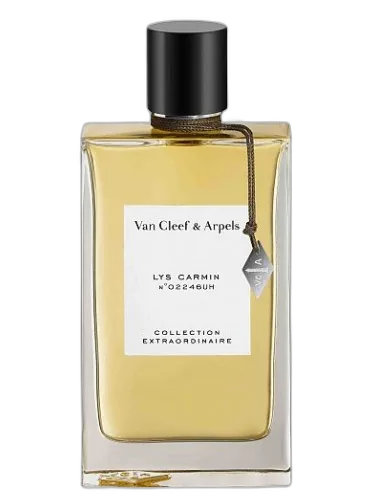
Van Cleef & Arpels
Lys Carmin Van Cleef & Arpels
Shared top notes: cinnamon, sandalwood, vanilla

M. Micallef
Pink Flowers M. Micallef
Shared top notes: jasmine, sandalwood, vanilla

Olympic Orchids Artisan Perfumes
African Orchid Olympic Orchids Artisan Perfumes
Shared top notes: jasmine, sandalwood, vanilla
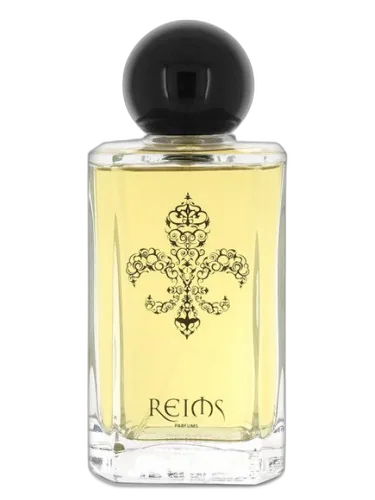
Reims
L'eau Des Sacres Reims
Shared top notes: honey, sandalwood