

The Harlot's House Black Phoenix Alchemy Lab
Fragrance Story
The Harlot's House by Black Phoenix Alchemy Lab is a Oriental Woody fragrance for women.
Composition Profile
About the Perfumer

Unknown Perfumer
Fragrance Notes
All Notes
Complete scent profile
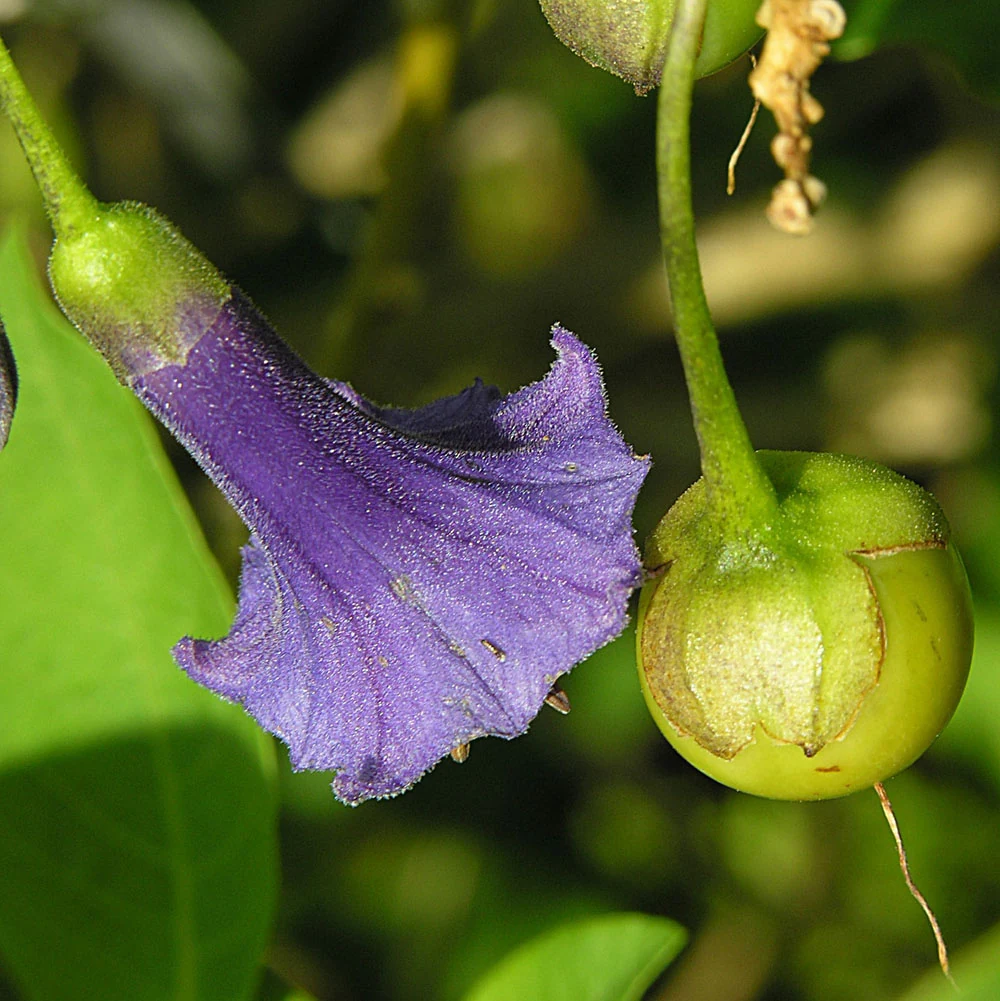 Angels Trumpet
 Oakmoss
 Violet
 Sandalwood
.jpg) Agarwood (Oud)
Agarwood (Oud)
 White Tea
 Copahu Balm
 Angelica
Olibanum
Angelica
Olibanum
The Harlot's House Black Phoenix Alchemy Lab by Black Phoenix Alchemy Lab offers a distinctive olfactory experience that stands out from other fragrances in its category.
Crafted with the finest ingredients and a blend of traditional and modern perfumery techniques, this fragrance represents the pinnacle of the perfumer's art.
The Harlot's House Black Phoenix Alchemy Lab embodies the distinctive style of Black Phoenix Alchemy Lab while adding a unique chapter to their fragrance portfolio.
Character Profile
The Enchantress Archetype: Portrait of The Harlot's House Black Phoenix Alchemy Lab
Essence
The one who wears The Harlot’s House by Black Phoenix Alchemy Lab is not merely drawn to fragrance-they are drawn to transformation. The scent, with its intoxicating blend of dark florals, opium smoke, and a whisper of something forbidden, is the olfactory signature of the Seductress, an archetype that thrives on allure, mystery, and the power of illusion.
This is not seduction in the shallow sense of mere flirtation, but in the deeper, more dangerous sense-the ability to shape perception, to draw others into a world of their own making. The Seductress understands that reality is malleable, that identity is a performance, and that power lies in the ability to make others want what they cannot fully possess.
Style & Aesthetic
Their appearance is a carefully curated paradox-opulent yet enigmatic, decadent yet controlled. They favor rich textures: velvet that clings like a second skin, lace that obscures as much as it reveals, leather that suggests both restraint and defiance. Their wardrobe is a theater of shadows and light, designed to provoke curiosity rather than immediate understanding.
Makeup is not mere adornment but alchemy-dark lips, smoldering eyes, a face that could belong to a Victorian courtesan or a modern-day witch. Jewelry is heavy, symbolic: signet rings, cameos, antique lockets holding secrets. Every detail is deliberate, a fragment of a larger narrative they invite others to decipher.
They thrive in liminal spaces-dimly lit lounges, antique shops, underground gatherings where the rules of the mundane world do not apply. Their home is a sanctuary of dark glamour: gilded mirrors, heavy drapes, curiosities collected from travels or midnight hunts. They may be drawn to the occult, not out of superstition, but for its symbolism-the idea that reality is layered, that meaning is hidden in signs and symbols.
Work is either a means to fund their aesthetic pursuits or an extension of their persona-perhaps in fashion, art, or the darker corners of nightlife. They are not interested in conventional success, only in crafting a life that feels like a work of art.
Philosophy & Values
They do not believe in fixed identities. To them, the self is a shifting thing, a mask that can be changed as easily as a scent. This fluidity is not deception but artistry-a refusal to be pinned down by the expectations of others. Their philosophy is one of radical autonomy: I am what I choose to be, and you will see only what I allow.
Yet beneath this lies a deep, often unspoken, yearning-not just to be desired, but to be understood. The Seductress plays the game of concealment because they fear that to be fully known is to be vulnerable. Their greatest strength-their ability to enchant-is also their greatest weakness: the loneliness of being forever just out of reach.
Relationships
They attract effortlessly. There is something magnetic in their presence, a promise of intensity that few can resist. Lovers, friends, admirers-all are drawn into their orbit, seduced by the possibility of unraveling them. But the closer one gets, the more the Seductress retreats.
Their relationships are often intense but ephemeral, like the lingering trail of perfume in an empty room. They crave intimacy but fear its demands, preferring the safety of control. Some mistake this for coldness, but it is more accurately self-preservation-a refusal to let anyone hold power over them.
Shadow
For all their allure, the Seductress risks becoming a prisoner of their own illusions. The very power they wield-the ability to fascinate-can leave them hollow, a beautiful shell with no one to witness the person beneath. Their fear of vulnerability may isolate them, turning their enchantments into a gilded cage.
There is also the danger of manipulation, not out of malice, but habit. When one is accustomed to shaping perceptions, it becomes easy to see people as players in a drama rather than as equals. The line between enchantress and narcissist is thin, and without self-awareness, they may cross it.
Conclusion
To wear The Harlot’s House is to embrace the paradox of the Seductress-to be both the performer and the audience, the creator and the creation. They are not merely playing a role; they are living a philosophy, one that questions the very nature of identity and desire.
But the true test of their archetype is not in how well they enchant others, but in whether they can ever enchant themselves-not as a mystery to be solved, but as a person who dares to be known.
Similar Fragrances
Fragrances with a comparable profile - shared accords, notes, and character.
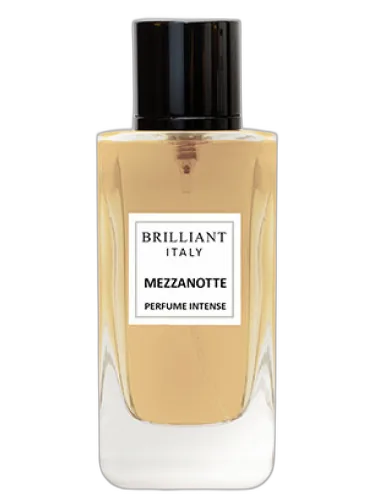
BRILLIANT ITALY
Mezzanotte Brilliant Italy
Shared accords: amber, balsamic, floral
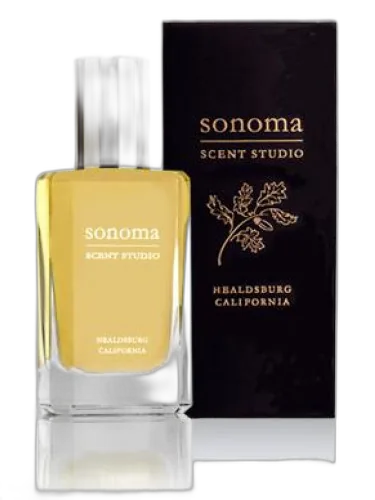
Sonoma Scent Studio
Cameo Sonoma Scent Studio
Shared accords: amber, balsamic, floral
For Or To
Master And Servant For Or To
Shared accords: amber, balsamic, floral

CIEL Parfum
Vin Nouveau Ciel Parfum
Shared accords: amber, balsamic, floral
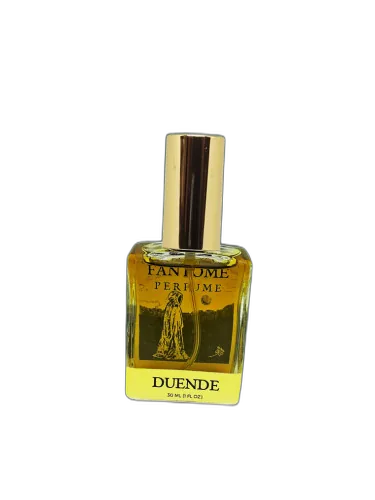
Fantôme
Duende Fantôme
Shared accords: amber, balsamic, floral