


Golden Honey & Argan Oil Blue Scents
At a glance
Is Golden Honey & Argan Oil Blue Scents worth trying?
Golden Honey & Argan Oil by Blue Scents is a fragrance for women and men.
- Best match
- Casual wear in Fall
- Performance feel
- Good longevity with Moderate sillage
- Signature profile
- sweet, honey, floral with Orange Blossom, Blood Orange, Freesia
The first impression
Golden Honey & Argan Oil by Blue Scents is a fragrance for women and men. Golden Honey & Argan Oil was launched in 2024. Top notes are Orange Blossom, Blood Orange and Freesia; middle notes are Honey, Jasmine and Argan; base notes are Gourmand Accord, Patchouli and Musk.
What shapes the scent
The perfumer behind it

Unknown Perfumer
Notes pyramid
Top Notes
First impression · 15-30 min
 Orange Blossom
 Blood Orange
 Freesia
Heart Notes
Core character · 2-4 hours
 Honey
Honey
 Jasmine
 Argan
Argan
Base Notes
Lasting impression · 4+ hours
 Gourmand Accord
 Patchouli
 Musk
Musk
The mood it creates
The Innocent Archetype: Portrait of Golden Honey & Argan Oil Blue Scents
Essence
Golden Honey & Argan Oil-warm, enveloping, rich with the promise of comfort. This is not a scent that demands attention but rather one that invites closeness. It speaks of sunlit kitchens, soft fabrics, and the quiet luxury of care. The person who wears it is drawn to its golden warmth, its balance of sweetness and depth. They are, at their core, a Caregiver-one who nourishes, protects, and sustains.
Style & Aesthetic
Their home is a sanctuary, not in the austere sense of a temple, but in the way a hearth is sacred-a place where others gather, where warmth is both literal and emotional. They favor textures that beg to be touched: cashmere throws, hand-thrown pottery, the worn spines of well-loved books. Their taste in decor leans toward earthy opulence-deep amber tones, natural wood, the flicker of candlelight. They are not ostentatious, but they understand the quiet power of beauty in the everyday.
Their philosophy is one of practical kindness. They believe the world is made bearable through small acts of tenderness-a meal shared, a listening ear, the right words at the right time. They do not preach altruism; they embody it, often without thinking. Their values are rooted in stewardship: of people, of spaces, of traditions. They are the keeper of family recipes, the one who remembers birthdays, the steady hand in times of crisis.
Relationships
They love deeply, but not indiscriminately. Their relationships are built on reciprocity, though not in the cold sense of transaction. They give because it is their nature, but they are not martyrs-they expect, on some level, to be cherished in return. Their friendships are enduring, their romantic bonds steady. They are the rock others lean on, but they, too, need anchoring.
Yet, there is a tension here. They may resent those who take their care for granted, though they seldom voice it. Their generosity can become a silent ledger, a tally of unspoken debts. When neglected, they do not lash out-they withdraw, retreating into a fortress of wounded pride.
Shadow
The Caregiver’s greatest strength is also their greatest weakness: their need to be needed. In their quietest moments, they may fear irrelevance-what are they, if not the one who tends, who mends, who holds together? This fear can curdle into control, their nurturing touch turning smothering. They may mistake dependency for love, keeping others close not out of malice, but out of an unspoken terror of being left behind.
Their other shadow is self-neglect. They pour honey into the lives of others while their own cup runs dry. They wear exhaustion like a second skin, yet refuse to admit its weight. To ask for help feels like failure-a betrayal of their role.
Conclusion
At their best, they are the quiet architects of a kinder world. Their power lies not in dominance, but in the art of sustaining-the way a single candle can hold back the dark. They must learn, however, that to care for others without limit is to deplete the very resource they offer. True strength, for them, lies in receiving as freely as they give.
They are not saints, nor should they aspire to be. They are human-flawed, luminous, indispensable. And in the golden glow of their presence, others find not just comfort, but the courage to become caretakers themselves.
If you like this, try these
Fragrances with a comparable profile - shared accords, notes, and character.

Flora Pura
Zélia Boaventura Flora Pura
Shared top notes: orange blossom
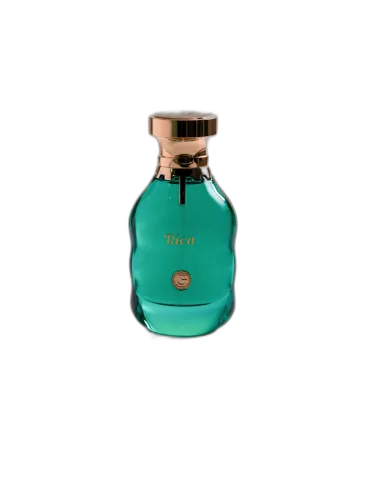
Ghalati
Rica Ghalati
Shared heart notes: honey, jasmine

Bvlgari
Splendida Magnolia Sensuel Bvlgari
Shared top notes: orange blossom

Thera Cosméticos
Perissimi Thera Cosméticos
Shared top notes: orange blossom

Lalique
Azalee Lalique
Shared top notes: freesia