


Violet Sapphire Boadicea The Victorious
Fragrance Story
Violet Sapphire by Boadicea the Victorious is a Oriental Floral fragrance for women. Violet Sapphire was launched in 2018. The nose behind this fragrance is Christian Provenzano. Top notes are Raspberry, Passionfruit, Peach and Violet Leaves; middle notes are Rose, Magnolia and Jasmine Sambac; base notes are Cambodian Oud, Crystal Amber, Musk and Cashmere Wood.
Composition Profile
About the Perfumer

Christian Provenzano
Christian Provenzano is a perfumer who has contributed to several Agent Provocateur fragrances, including the original Agent Provocateur, Maitresse, and Ménage À Trois. He also created Ambra Guaiac for Alysonoldoini and Diamond Dust Edition for Agent Provocateur. His work often features bold, sensual accords.
Fragrance Notes
Top Notes
First impression · 15-30 min
 Raspberry
 Passionfruit
 Peach
Peach
 Violet Leaves
Heart Notes
Core character · 2-4 hours
 Rose
Rose
 Magnolia
Jasmine Sambac
Magnolia
Jasmine Sambac
Base Notes
Lasting impression · 4+ hours
 Cambodian Oud
Crystal Amber
Cambodian Oud
Crystal Amber
 Musk
Cashmere Wood
Musk
Cashmere Wood
Violet Sapphire Boadicea The Victorious by Boadicea the Victorious offers a distinctive olfactory experience that stands out from other fragrances in its category.
Crafted with the finest ingredients and a blend of traditional and modern perfumery techniques, this fragrance represents the pinnacle of the perfumer's art.
Violet Sapphire Boadicea The Victorious embodies the distinctive style of Boadicea the Victorious while adding a unique chapter to their fragrance portfolio.
Character Profile
The Sovereign Archetype: Portrait of Violet Sapphire Boadicea The Victorious
Essence
This person is most closely aligned with the Sovereign archetype-a figure who commands presence, exudes quiet authority, and moves through life with an air of regal self-assurance. The Sovereign is not merely a ruler by title but by essence; they cultivate an inner kingdom where taste, discernment, and personal philosophy reign supreme. Violet Sapphire, with its deep, velvety violet heart wrapped in dark woods and resins, is a fragrance of quiet power-not loud, but undeniable. It is the scent of someone who does not need to announce themselves, for their presence is already felt.
Relationships
They do not collect friends, but those they keep are bound by mutual respect and intellectual kinship. Their relationships are not transactional but built on unspoken loyalty. They inspire devotion without demanding it, for their presence alone commands a certain reverence. Romantic partners are chosen carefully-not for status or beauty alone, but for depth of character. They seek an equal, someone who understands that love is not possession but mutual elevation.
Yet, their court is not without its exiles. The Sovereign’s high standards can become a gilded cage; those who fail to meet their expectations are quietly, but permanently, dismissed. Their detachment, while a strength, can also read as coldness. They may struggle with vulnerability, mistaking it for weakness, and thus keep even their closest confidants at a measured distance.
Shadow
Every Sovereign risks becoming a Tyrant. Their discernment can curdle into elitism, their self-assurance into arrogance. They may grow impatient with those who do not share their exacting standards, dismissing them as lesser rather than understanding difference. Their love of control, so useful in self-mastery, can harden into rigidity-an unwillingness to adapt, to bend.
The greatest danger lies in their isolation. The Sovereign’s throne is often a solitary one, and if they are not careful, they may find themselves ruling over an empty kingdom. Their fear of being vulnerable may leave them admired but unloved, respected but untouched.
Conclusion
Their tastes are refined but never ostentatious. They prefer understatement to excess, choosing a single exquisite piece over a collection of mediocrity. Their wardrobe leans toward structured silhouettes-tailored coats, sharp lines, fabrics that drape rather than cling. They might favor deep jewel tones, not for their flashiness, but for their weight, their history. Their home is a sanctuary of curated beauty: a well-worn leather armchair beside a shelf of first editions, a single piece of art that holds meaning rather than a gallery of distractions.
Philosophy is not an abstract exercise for them but a lived discipline. They believe in the sovereignty of the self-that one must govern their own mind before seeking to influence the world. Stoicism appeals to them, not as a denial of emotion, but as mastery over it. They value wisdom over knowledge, depth over breadth. Their conversations are deliberate; they speak when they have something to say, not to fill silence.
Similar Fragrances
Fragrances with a comparable profile - shared accords, notes, and character.
Boadicea the Victorious
Violet Sapphire Boadicea The Victorious
Shared accords: amber, animalic, floral
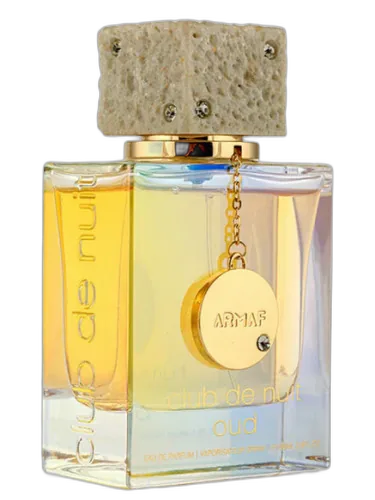
Armaf
Club De Nuit Oud Armaf
Shared accords: amber, animalic, fruity

Versace
Versace Woman Versace
Shared accords: amber, floral, fruity
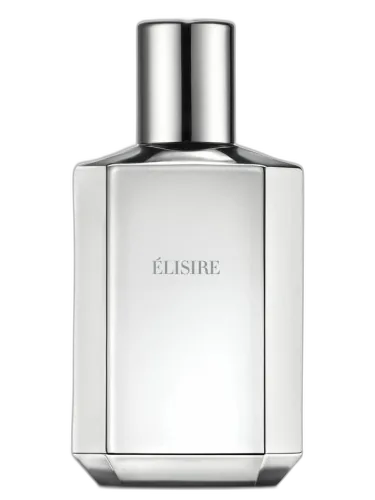
Elisire
Oderose Elisire
Shared accords: amber, animalic, floral

Parfums Love Love
Shop & Love Parfums Love Love
Shared accords: amber, animalic, floral