


Angir Boris Bidjan Saberi
At a glance
Is Angir Boris Bidjan Saberi worth trying?
Angir by Boris Bidjan Saberi is a Leather fragrance for women and men.
- Best match
- Evening wear in Fall
- Performance feel
- Good longevity with Moderate sillage
- Signature profile
- warm spicy, fruity, leather with Ginger, Fig, Beer
The first impression
Angir by Boris Bidjan Saberi is a Leather fragrance for women and men. This is a new fragrance. Angir was launched in 2024. The nose behind this fragrance is Geza Schoen.
What shapes the scent
The perfumer behind it

Geza Schoen
Geza Schoen is a German perfumer known for his modern and minimalist approach to fragrance creation. He has worked on a wide range of compositions, from the fresh and aromatic Wakening Woods Of Scandinavia to the spicy Lime & Nutmeg and the citrusy Mandarine & Cardamom for 4711. His portfolio also includes the elegant Tzora for Anat Fritz and the bold Ultimate for Baldessarini, showcasing his versatility across different styles.
Notes pyramid
All Notes
Complete scent profile
 Ginger
 Fig
Fig
 Beer
Beer
 Leather
The mood it creates
The Lover Archetype: Portrait of Angir Boris Bidjan Saberi
Essence
To wear Angir by Boris Bidjan Saberi is to embrace the scent of transformation-a fragrance that melds the raw and the refined, the archaic and the avant-garde. The person who chooses this scent is not merely selecting a perfume but declaring an allegiance to the Alchemist archetype, the seeker who transmutes the base into gold, the mundane into the extraordinary.
This individual is drawn to the margins of experience, where boundaries blur and new forms emerge. Their philosophy is one of synthesis-they reject binary thinking, preferring instead to dwell in paradox. They see beauty in decay, wisdom in contradiction, and power in restraint. Their life is an ongoing experiment, a laboratory where identity, aesthetics, and meaning are perpetually distilled and reconfigured.
Their tastes are deliberate, often veering toward the unconventional. They might favor minimalist architecture with rough, unfinished textures, or fashion that balances stark silhouettes with organic imperfections. Their home is a curated space-spare yet deeply personal, where every object carries intention. They collect books on esoteric subjects, rare vinyl records of obscure post-industrial music, or artifacts from forgotten subcultures.
Shadow
Yet the Alchemist’s strength is also their weakness. Their relentless pursuit of transformation can become destructive self-experimentation. They may grow addicted to their own reinventions, discarding relationships, careers, or identities before they fully mature. Their disdain for the ordinary can manifest as elitism, a quiet contempt for those who live simpler, more conventional lives.
Their philosophical detachment can also harden into emotional isolation. They may rationalize their solitude as a necessity for their work, but beneath the surface, there is often a fear of vulnerability-of being truly known. The very alchemy that refines their spirit can also calcify it, leaving them paradoxically imprisoned by their own freedom.
Conclusion
The Alchemist is introspective, possessing an almost mystical awareness of the unseen forces shaping reality. They do not merely consume culture; they interrogate it, dissect it, and reassemble it in ways that reveal hidden truths. Their conversations are layered, weaving together philosophy, art, and personal revelation. They are not afraid of silence, nor of solitude-both are necessary for their alchemical work.
In relationships, they seek depth over breadth. Their closest bonds are with those who understand their need for intellectual and emotional intensity. They are not casual lovers; intimacy, for them, is a crucible where raw emotions are refined into something transcendent. They value loyalty but demand authenticity-superficiality repels them.
Their values are rooted in autonomy and transformation. They distrust dogma, preferring instead to forge their own path. They believe in the power of reinvention, both for themselves and others. To stagnate is to die; to evolve is to live.
If you like this, try these
Fragrances with a comparable profile - shared accords, notes, and character.

Roger & Gallet
Gingembre Rouge Limited Edition 2019 Roger & Gallet
Shared top notes: ginger
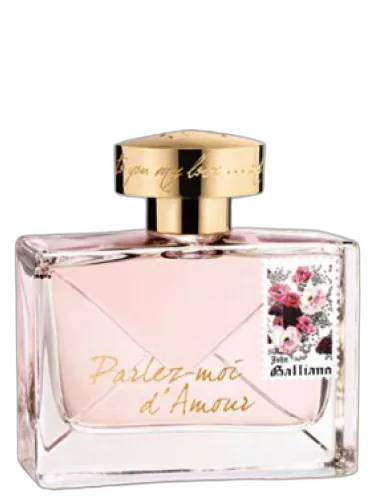
John Galliano
Parlez-moi D’amour John Galliano
Shared top notes: ginger
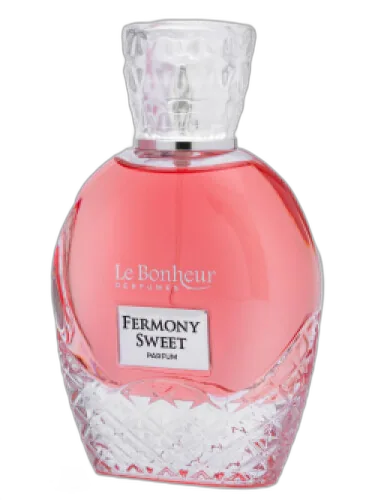
Le Bonheur Perfumes
Fermony Sweet Le Bonheur Perfumes
Shared top notes: ginger

Suhad Perfumes
Al Wasel Suhad Perfumes
Shared top notes: ginger, leather
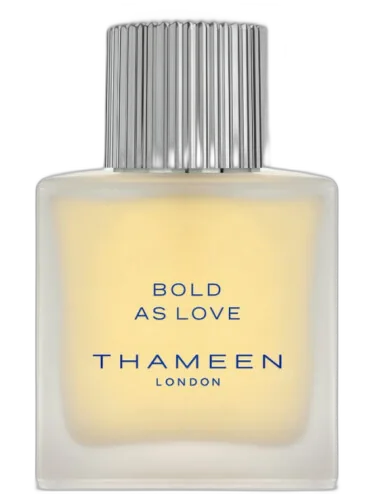
Thameen
Bold As Love Thameen
Shared top notes: ginger