
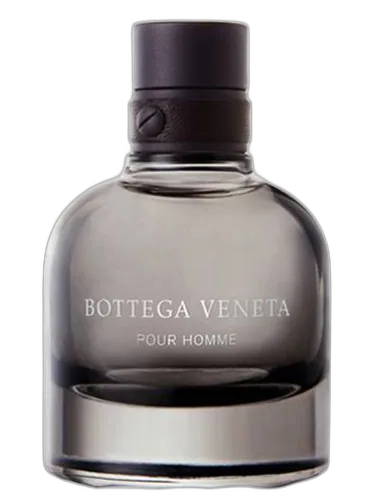

Bottega Veneta Pour Homme Bottega Veneta
At a glance
Is Bottega Veneta Pour Homme Bottega Veneta worth trying?
Bottega Veneta Pour Homme by Bottega Veneta is a Leather fragrance for men.
- Best match
- Evening wear in Fall
- Performance feel
- Good longevity with Moderate sillage
- Signature profile
- woody, aromatic, fresh spicy with Siberian Pine, Juniper, Calabrian bergamot
The first impression
Bottega Veneta Pour Homme by Bottega Veneta is a Leather fragrance for men. Bottega Veneta Pour Homme was launched in 2013. Bottega Veneta Pour Homme was created by Daniela Andrier and Antoine Maisondieu. Top notes are Siberian Pine, Juniper and Calabrian bergamot; middle notes are Canadian Fir, Clary Sage and Pimento; base notes are Leather, Patchouli and Labdanum.
What shapes the scent
The perfumer behind it

Antoine Maisondieu
Antoine Maisondieu is a French perfumer and a senior vice president at Givaudan, where he has worked for decades. He is known for creating refined, modern compositions that balance natural elegance with subtle complexity. His work includes the woody, leathery Bottega Veneta Pour Homme and the fresh, floral Acqua di Parma Magnolia Nobile.
Notes pyramid
Top Notes
First impression · 15-30 min
 Siberian Pine
 Juniper
Calabrian bergamot
Juniper
Calabrian bergamot
Heart Notes
Core character · 2-4 hours
Canadian Fir
 Clary Sage
 Pimento
Base Notes
Lasting impression · 4+ hours
 Leather
 Patchouli
 Labdanum
The mood it creates
The Bottega Veneta Pour Homme Archetype: Portrait of Bottega Veneta Pour Homme Bottega Veneta
Essence
This man is defined by the Craftsman archetype-a figure who values precision, subtlety, and the quiet mastery of his domain. Like the leather goods for which Bottega Veneta is renowned, he is a study in understated excellence. He does not shout his presence; he insinuates it. His fragrance-warm, woody, with the faintest whisper of leather-mirrors his essence: complex but never ostentatious, refined but never sterile.
The Craftsman is not merely a creator; he is a curator of experience. He does not seek to dominate but to perfect. His life is an ongoing refinement, a slow burn toward an ideal only he fully understands.
Style & Aesthetic
His wardrobe is a testament to restraint-tailored but never stiff, luxurious but never gaudy. He favors materials that age well: cashmere, suede, unpolished leather. His colors are muted-charcoal, deep brown, olive-yet they carry depth, much like the fragrance he wears.
He does not chase trends, for trends are fleeting, and he is not. His home is much the same: a balance of modern minimalism and timeless warmth. There is a Japanese influence, perhaps-an appreciation for wabi-sabi, the beauty in imperfection. He surrounds himself with objects that have history, texture, and quiet dignity.
His days are structured but not rigid. He rises early, not out of obligation but because he values the clarity of morning. He may practice a craft-woodworking, photography, even something as precise as watchmaking-not as a profession but as a meditation.
He enjoys fine things but is not a slave to them. A well-aged whiskey, a perfectly bound book, the weight of a fountain pen in his hand-these are his luxuries. He travels, but not to be seen; he goes where he can absorb, observe, and return with something intangible yet invaluable.
Philosophy & Values
He believes in the slow accumulation of skill, the kind that cannot be rushed. Whether in his profession, his hobbies, or his relationships, he operates on the principle that true excellence is not achieved through force but through persistence. He admires those who earn their place in the world, not those who seize it.
His values are rooted in integrity-not the loud, performative kind, but the kind that reveals itself in small, consistent acts. He despises dishonesty, not out of moral grandstanding, but because it disrupts the order he strives to maintain.
Relationships
He is selective in his connections. He does not collect acquaintances; he cultivates relationships with the same care he applies to his craft. His friendships are few but enduring, built on mutual respect rather than convenience.
In love, he is neither a romantic nor a cynic-he is a realist with a quiet capacity for devotion. He does not love recklessly, but when he does, it is with a steadfastness that surprises even him. His partner must understand his need for solitude, for he is not a man who can be fully known in the noise of crowds.
Shadow
Yet, for all his refinement, there is a flaw in his design: the Craftsman’s obsession with control. His pursuit of mastery can tip into rigidity. He may dismiss what he deems "mediocre" too quickly, leaving little room for spontaneity or the messy beauty of human error.
His quiet confidence can, at times, border on aloofness. Those who do not meet his standards may feel judged, even if he never voices it. And in his reluctance to expose vulnerability, he risks becoming an island-admired, perhaps, but untouched.
Conclusion
The challenge for this man is to remember that perfection is not the absence of flaws but the harmony of them. His greatest strength-his discipline-can become his prison if he forgets that life, like the finest leather, gains character through use, not just preservation.
He must learn that mastery is not only in the making but in the letting go. And when he does, his quiet strength becomes not just a personal creed but a gift to those wise enough to recognize it.
If you like this, try these
Fragrances with a comparable profile - shared accords, notes, and character.
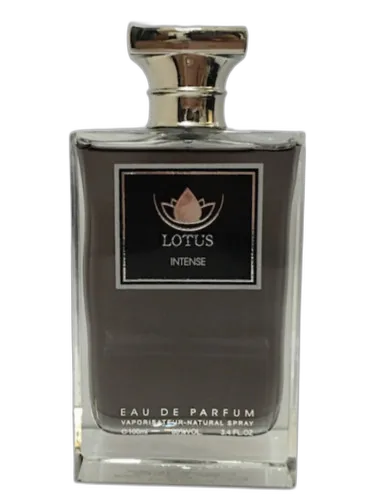
Lotus
Lotus Intense Lotus
Shared heart notes: clary sage, pimento
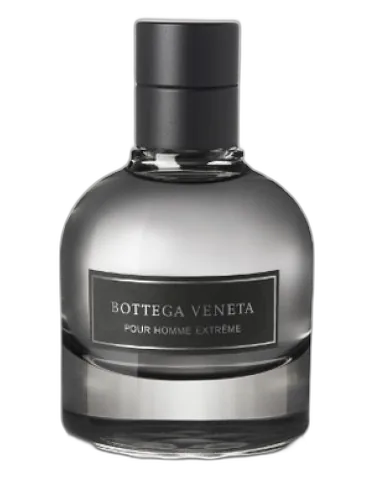
Bottega Veneta
Bottega Veneta Pour Homme Extreme Bottega Veneta
Shared heart notes: pimento
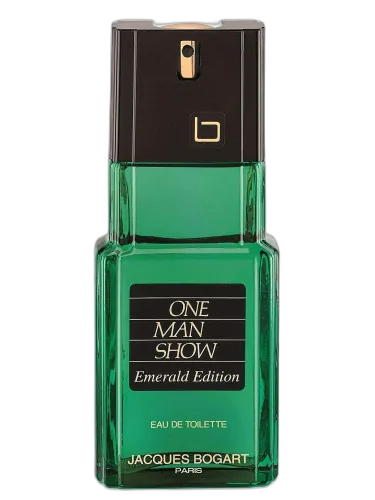
Jacques Bogart
One Man Show Emerald Edition Jacques Bogart
Shared base notes: labdanum, leather, patchouli
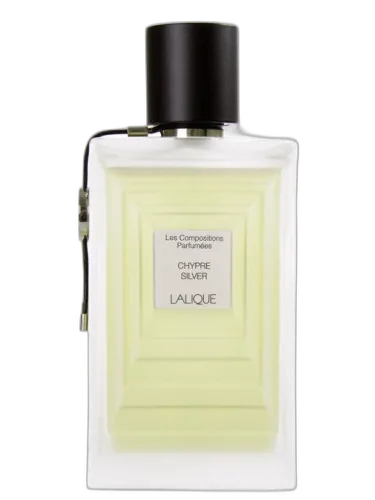
Lalique
Chypre Silver Lalique
Shared base notes: labdanum, leather, patchouli

Akro
Haze Akro
Shared heart notes: clary sage