


Parco Palladiano Ii: Cipresso Bottega Veneta
At a glance
Is Parco Palladiano Ii: Cipresso Bottega Veneta worth trying?
Parco Palladiano II: Cipresso by Bottega Veneta is a Woody fragrance for women and men.
- Best match
- Evening wear in Fall
- Performance feel
- Good longevity with Moderate sillage
- Signature profile
- woody, aromatic, green with Pink Pepper, Amberwood, Cypress Leaf
The first impression
Parco Palladiano II: Cipresso by Bottega Veneta is a Woody fragrance for women and men. Parco Palladiano II: Cipresso was launched in 2016. The nose behind this fragrance is Alexis Dadier. Top notes are Pink Pepper and Amberwood; middle notes are Cypress Leaf, Green Notes, Ginger and Coriander; base notes are Guaiac Wood and Patchouli.
What shapes the scent
The perfumer behind it

Alexis Dadier
Alexis Dadier is a French perfumer known for his work with Symrise and major luxury houses like Bottega Veneta, Boucheron, and Chloé. His style balances naturalistic clarity with subtle richness, often highlighting woody, floral, or gourmand notes in refined compositions. He created several fragrances for Bottega Veneta’s Parco Palladiano collection, including the cypress-focused Cipresso and the chestnut-centered Castagno, as well as Chloé’s Chêne and Papyrus.
Notes pyramid
Top Notes
First impression · 15-30 min
 Pink Pepper
 Amberwood
Heart Notes
Core character · 2-4 hours
 Cypress Leaf
 Green Notes
 Ginger
 Coriander
Base Notes
Lasting impression · 4+ hours
 Guaiac Wood
 Patchouli
The mood it creates
The Sage Archetype: Portrait of Parco Palladiano Ii: Cipresso Bottega Veneta
Essence
To wear Parco Palladiano II: Cipresso is to carry the scent of quiet wisdom-an aromatic meditation on depth, restraint, and the slow passage of time. The fragrance is green and woody, resinous yet austere, evoking ancient cypress trees standing sentinel over forgotten gardens. The person who chooses this scent is not one for fleeting pleasures or loud declarations; they move through life with the measured grace of one who observes before acting, who speaks only when silence has exhausted its usefulness.
This is a mind shaped by the Sage archetype, the seeker of truth, the keeper of knowledge. They are drawn to understanding, not for the sake of dominance but for the clarity it brings. Like the cypress, they are rooted in tradition yet resilient to the winds of change. Their presence is steady, their insights sharp-when they speak, others listen, not because they demand attention, but because their words carry weight.
Yet the Sage is not without shadows. The pursuit of wisdom can become a retreat from life, a fortress of intellect where emotions are held at bay. Knowledge, when hoarded, can calcify into dogma; detachment can slip into coldness. The challenge for this person is not in knowing, but in feeling-not in thinking, but in living.
Shadow
The danger for this person is the retreat into isolation. When wisdom becomes a shield rather than a tool, they risk losing touch with the messiness of human connection. Their flaws emerge in moments of intellectual arrogance, in the dismissal of emotions as irrational distractions. They may grow impatient with those who do not share their clarity, forgetting that not all truths must be spoken aloud.
At their worst, they become the Recluse, the thinker who has forgotten how to feel. They may rationalize their detachment, calling it wisdom when it is merely fear-fear of vulnerability, of chaos, of the uncontrollable pulse of life.
Conclusion
Their tastes are refined but never ostentatious. They prefer the understated elegance of Italian design-clean lines, natural materials, objects that age with dignity. Their wardrobe leans toward muted tones: forest greens, deep browns, the occasional slate gray. They appreciate craftsmanship, the kind that reveals itself only upon close inspection.
In philosophy, they are drawn to stoicism, Zen Buddhism, or the writings of Marcus Aurelius. They believe in discipline, in the mastery of self before the attempt to influence others. Yet they are not rigid-they understand that wisdom must bend, must adapt, or it becomes brittle.
Their relationships are few but profound. They do not suffer fools, nor do they indulge in shallow social rituals. Their closest bonds are with those who share their depth, who can engage in long conversations without the need for constant affirmation. Romantic partners must respect their need for solitude, for their love is not possessive but sustaining-a quiet force, like the roots of a tree.
If you like this, try these
Fragrances with a comparable profile - shared accords, notes, and character.

Gianfranco Ferre
Acqua Azzurra Gianfranco Ferre
Shared heart notes: ginger
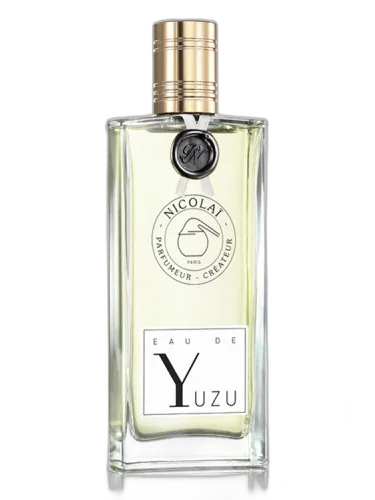
Nicolai Parfumeur Createur
Eau De Yuzu Nicolai Parfumeur Createur
Shared base notes: guaiac wood, patchouli

Valeur Absolue
Serenitude Valeur Absolue
Shared top notes: pink pepper

Tania Bulhões
Segredo Tania Bulhões
Shared top notes: pink pepper

YVRA
1979 - L'essence De Présence Yvra
Shared base notes: guaiac wood, patchouli