


Woods / Icelandic Brand No More
At a glance
Is Woods / Icelandic Brand No More worth trying?
Woods / Icelandic by Brand No More is a fragrance for women and men.
- Best match
- Casual wear in Fall, Winter
- Performance feel
- Good longevity with Moderate sillage
- Signature profile
- woody, amber, mossy with Bergamot, Myrtle, Black Currant
The first impression
Woods / Icelandic by Brand No More is a fragrance for women and men. Woods / Icelandic was launched in 2021. The nose behind this fragrance is Bertrand Duchaufour. Top notes are Bergamot, Myrtle, Black Currant and Ginger; middle notes are Incense, Hazelnut, Guaiac Wood and Violet; base notes are Moss, Cedar and Ambergris.
What shapes the scent
The perfumer behind it

Bertrand Duchaufour
Bertrand Duchaufour is a renowned French perfumer with a prolific career spanning many brands. He has created fragrances for Acqua di Parma, including Blu Mediterraneo - Cipresso Di Toscana and Colonia Assoluta, as well as for Aedes de Venustas, such as Café Tabac and Copal Azur. His style is known for its complexity and use of natural ingredients.
Notes pyramid
Top Notes
First impression · 15-30 min
 Bergamot
 Myrtle
 Black Currant
 Ginger
Heart Notes
Core character · 2-4 hours
 Incense
 Hazelnut
 Guaiac Wood
 Violet
Base Notes
Lasting impression · 4+ hours
Moss
 Cedar
Cedar
 Ambergris
The mood it creates
The Lover Archetype: Portrait of Woods / Icelandic Brand No More
Essence
This person is most closely aligned with the Sage-the seeker of truth, the observer of life’s hidden patterns. The Sage does not merely exist; they contemplate. Their mind is a quiet forest, where thoughts grow like ancient trees, rooted in wisdom yet always reaching toward new understanding. The scent of No More by Icelandic Brands-cool, mineral, austere-mirrors their essence: a fragrance of solitude, of earth and wind, of something untouched by the clamor of the world.
Style & Aesthetic
Their style is deliberate, uncluttered, almost monastic. They favor muted tones-charcoal, slate, deep greens-as if dressing for the landscape of their soul. Fabrics are natural: wool, linen, leather worn smooth by time. Their home is a sanctuary of minimalism, where every object serves a purpose or carries meaning. A single bookshelf holds well-worn philosophy, Nordic sagas, and books on geology. There is no excess, only what is necessary.
They move through the world with quiet intensity. Their voice is measured, their words precise. When they speak, it is often to question, to dissect, never to fill silence. They are drawn to places where nature asserts its dominance-black sand beaches, dense pine forests, the edge of glaciers. In cities, they feel like a ghost, passing through but never belonging.
Philosophy & Values
Truth is their compass, but not the loud, dogmatic kind. Their truth is the slow erosion of a river over stone-patient, inevitable. They distrust grand narratives, preferring instead the fragments, the contradictions. Their philosophy is one of radical acceptance: life is harsh, beautiful, indifferent. To resist this is folly; to embrace it is freedom.
They value independence above all else-not as rebellion, but as necessity. Emotional dependence feels like a cage. They are not cold, but they are cautious with intimacy, preferring depth over breadth in relationships. Their love is quiet, expressed in acts rather than words: a carefully chosen book left on a nightstand, a long walk in silence.
Relationships
They are not easy to love, but they are worth loving. Their relationships are few but enduring. Romantic partners must accept that they will never be the center of this person’s world-nor should they want to be. Their love is not possessive; it is an invitation to walk beside them, not to merge.
Friendships are built on mutual respect, not obligation. They despise small talk, but in the right company, they unfold like a map of hidden trails. Their humor is dry, their loyalty unshakable-but they will not chase after those who drift away.
Shadow
Yet the Sage’s detachment has its cost. Their emotional reserve can border on aloofness. They mistake solitude for strength, forgetting that even the sturdiest tree bends in the wind. When hurt, they retreat further, rationalizing their isolation as wisdom.
They struggle with existential melancholy, a quiet undercurrent of despair that whispers: Nothing truly matters. This can lead to paralysis, a reluctance to engage fully with life. Their pursuit of truth sometimes becomes a shield against vulnerability-if they understand everything, they need not feel it.
Conclusion
Their greatest strength is clarity of thought. They see through illusions, both in themselves and others. When chaos reigns, they remain steady, their mind a still pool reflecting reality without distortion. They are deeply resilient, shaped by solitude into someone who needs little yet gives much.
They possess an artist’s sensitivity, though they may not call it that. The way light filters through trees, the scent of rain on stone-these things move them in ways they rarely articulate. Their presence is grounding; people leave conversations with them feeling seen, understood, but never pitied.
If you like this, try these
Fragrances with a comparable profile - shared accords, notes, and character.

The Different Company
Sens Et Bois The Different Company
Shared top notes: bergamot, ginger
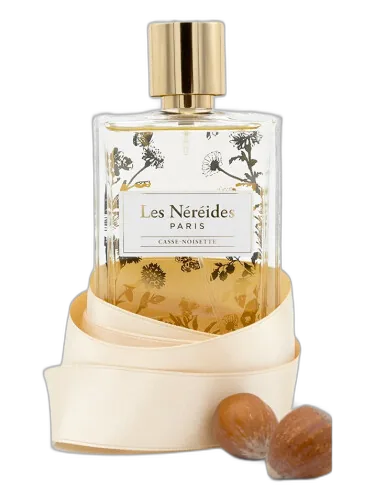
Les Nereides
Casse-noisette Les Nereides
Shared base notes: ambergris, cedar
Azzaro
Visit Azzaro
Shared top notes: bergamot, ginger
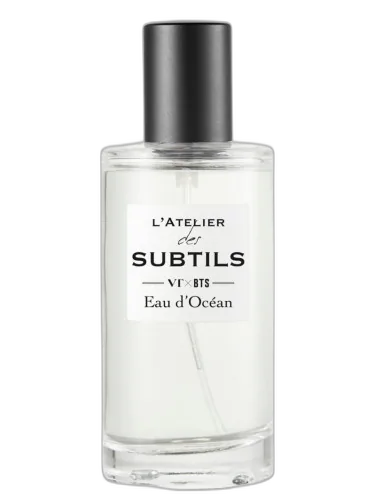
VTxBTS
L'atelier Des Subtils Eau De Ocean Vtxbts
Shared top notes: bergamot

Jeanne Arthes
Js Women Jeanne Arthes
Shared top notes: bergamot, black currant