

Casa Cuervo Bravanariz
At a glance
Is Casa Cuervo Bravanariz worth trying?
Casa Cuervo by Bravanariz is a fragrance for women and men.
- Best match
- Casual wear in Fall
- Performance feel
- Good longevity with Moderate sillage
- Signature profile
- woody, herbal, citrus with Pine tar, Chamomile, Lavender
The first impression
Casa Cuervo by Bravanariz is a fragrance for women and men. Casa Cuervo was launched in 2021. The nose behind this fragrance is Ernesto Collado Sala.
What shapes the scent
The perfumer behind it

Ernesto Collado Sala
Ernesto Collado Sala is a perfumer behind the Bravanariz brand, crafting scents inspired by Mediterranean landscapes, such as Agost, Avet, and Cala. His work often incorporates natural and botanical elements, reflecting a deep connection to the environment. Collado Sala's fragrances are recognized for their earthy, aromatic character and artisanal quality.
Notes pyramid
All Notes
Complete scent profile
 Pine tar
 Chamomile
 Lavender
 Oakmoss
Sweet Orange
Oakmoss
Sweet Orange
 Tobacco
 Labdanum
 Lemon
Lemon
 Tonka Bean
The mood it creates
The Lover Archetype: Portrait of Casa Cuervo Bravanariz
Essence
The person who cherishes Casa Cuervo Bravanariz is, at their core, an Explorer-a seeker of raw, unfiltered experiences. This fragrance, with its wild, herbaceous, and slightly untamed character, mirrors their restless spirit. They are drawn to the scent because it does not beg for attention; it simply exists, like wind over dry earth or the first brush of twilight. The Explorer is not content with the well-trodden path-they crave the road less taken, the scent that lingers just beyond recognition.
Style & Aesthetic
Their style is unstudied yet deliberate-a linen shirt slightly wrinkled, boots worn from wandering, jewelry that carries the weight of memory rather than the sparkle of trend. They favor textures that tell stories: weathered leather, unpolished wood, fabrics that breathe and age with time. Their home, if they stay in one place long enough, is a sanctuary of found objects-a seashell from a distant shore, a book with dog-eared pages, a bottle of something bitter and complex.
They are drawn to art that feels alive-music with raw vocals, paintings where the brushstrokes are visible, literature that does not shy from discomfort. Their taste is not about refinement but resonance; they seek what stirs the soul, not what pleases the crowd.
They thrive in liminal spaces-border towns, coastal roads, cities at dawn. Routine is their enemy; even their daily rituals are fluid. Mornings might begin with black coffee and a dog-eared journal, evenings with a glass of something smoky and a record spinning softly in the background. They are drawn to professions that allow movement-photographers, writers, chefs, nomads who trade security for spontaneity.
But this very freedom can become a cage of its own. Their avoidance of structure sometimes leads to disarray-projects half-finished, promises unkept, a life rich in experience but lacking in depth. They must learn that roots do not always mean imprisonment; sometimes, they provide the stability needed to grow taller.
Philosophy & Values
Their philosophy is one of radical authenticity. They despise pretense, preferring the rough edges of life to the polished veneer of convention. To them, existence is not about accumulating possessions but about collecting moments-some fleeting, some profound. They value freedom above all else, often resisting commitments that feel like shackles. Their moral compass is guided by intuition rather than dogma; they trust the wisdom of their senses, believing that truth is found in the rustle of leaves, the taste of salt on skin, the way light shifts at dusk.
Yet, this very independence can become a double-edged sword. Their refusal to conform sometimes isolates them, making deep connections difficult. They may mistake solitude for strength, forgetting that even the wildest rivers eventually merge with the sea.
Relationships
In relationships, they are intense but elusive. They love deeply but fear stagnation, often pulling away when things become too predictable. Their partners must understand that their need for space is not rejection but a vital act of self-preservation. They are drawn to those who are equally self-possessed-people who do not cling but walk beside them, matching their rhythm.
Friendships with them are marked by adventure and honesty. They have little patience for small talk, preferring conversations that unravel into the early hours, fueled by wine and wandering thoughts. Yet, their reluctance to settle can make them unreliable in conventional terms-they may vanish for months, only to reappear with stories etched into their skin.
Shadow
Beneath their free-spirited exterior lurks a fear of commitment, not just to others but to themselves. They may romanticize their own rootlessness, mistaking avoidance for enlightenment. There is a danger in perpetual motion-it can become an escape from facing the harder truths within.
At their worst, they are adrift, mistaking novelty for meaning. They may grow cynical, dismissing deeper connections as burdens rather than gifts. The shadow of the Explorer is the Wanderer who forgets how to return-a soul so accustomed to leaving that they no longer know how to stay.
Conclusion
To truly flourish, they must learn that freedom and depth are not opposites. The scent they love-earthy, wild, yet grounded-holds the answer. Like Casa Cuervo Bravanariz, they are at their best when they embrace both movement and stillness, the untamed and the intimate. The greatest journey, after all, is not always outward-sometimes, it is the descent into one’s own depths.
They are not meant to be tamed. But perhaps, in time, they will learn that even the wildest spirits need a place-if not to stay, then to return.
If you like this, try these
Fragrances with a comparable profile - shared accords, notes, and character.
Poesie
Wickham Poesie
Shared top notes: lavender, oakmoss, tobacco
JAN BARBA
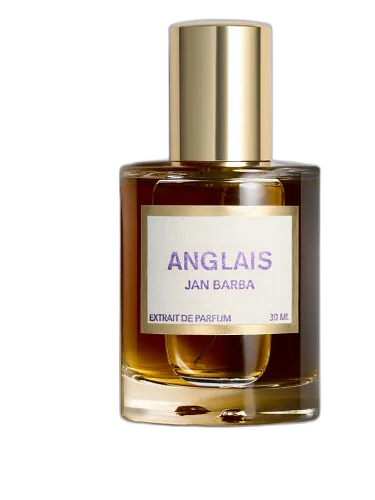
Anglais Jan Barba
Shared top notes: lavender, tobacco
Esperienze Olfattive
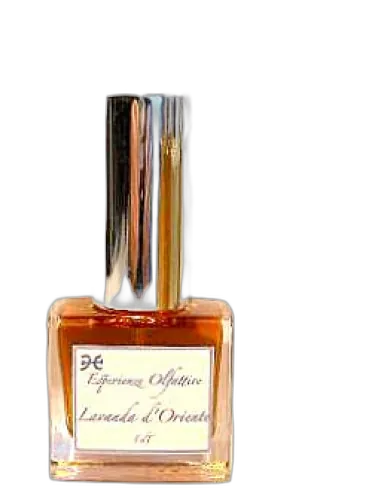
Lavanda D'oriente Esperienze Olfattive
Shared top notes: labdanum, lavender, oakmoss

ALYSONOLDOINI
Georges B Alysonoldoini
Shared top notes: lavender, lemon

Toni Cabal
337m - Oak Tree Toni Cabal
Shared top notes: lavender, lemon, tobacco