
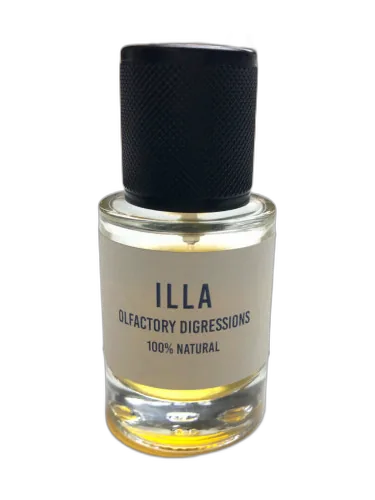

Illa Bravanariz
At a glance
Is Illa Bravanariz worth trying?
Illa by Bravanariz is a fragrance for women and men.
- Best match
- Casual wear in Any
- Performance feel
- Good longevity with Moderate sillage
- Signature profile
- aromatic, woody, fresh spicy with Pine Tree, Rosemary, St. John's Wort
The first impression
Illa by Bravanariz is a fragrance for women and men. Illa was launched in 2019. The nose behind this fragrance is Ernesto Collado Sala.
What shapes the scent
The perfumer behind it

Ernesto Collado Sala
Ernesto Collado Sala is a perfumer behind the Bravanariz brand, crafting scents inspired by Mediterranean landscapes, such as Agost, Avet, and Cala. His work often incorporates natural and botanical elements, reflecting a deep connection to the environment. Collado Sala's fragrances are recognized for their earthy, aromatic character and artisanal quality.
Notes pyramid
All Notes
Complete scent profile
 Pine Tree
 Rosemary
 St. John's Wort
 Thyme
Thyme
 Labdanum
 Myrtle
 Neroli
 Lemon
Lemon
 Olive Tree
 Orange
 Fennel
The mood it creates
The Sage Archetype: Portrait of Illa Bravanariz
Essence
To wear Illa by Bravanariz is to embrace a fragrance that is raw, elemental, and deeply connected to the earth-a scent that evokes wild herbs, sun-baked earth, and the quiet wisdom of nature. The person who chooses this fragrance is not one for artifice or excess; they seek authenticity in all things. They are, at their core, a Sage-an archetype defined by knowledge, introspection, and a relentless pursuit of truth.
This is someone who values clarity over comfort, wisdom over convention. They move through life with a quiet confidence, their presence neither demanding nor dismissive, but assured. Their mind is a well-tended garden, where ideas grow untamed yet orderly, pruned only by reason.
Style & Aesthetic
Their style is understated yet deliberate. They favor natural fabrics-linen, wool, raw silk-in muted, earthy tones. Their clothing does not shout; it whispers. They might wear a well-worn leather satchel, a simple silver ring, or a pair of handmade boots that have aged with them. There is no excess, only what serves a purpose or brings quiet pleasure.
Their living space reflects the same ethos: uncluttered, filled with books, perhaps a few carefully chosen artifacts from travels-a smooth stone from a riverbed, a dried sprig of wild rosemary. They prefer the patina of time over the gleam of the new.
They rise early, not out of obligation but because the quiet hours of dawn are when their mind is sharpest. They might begin the day with black coffee, a book, or a walk through an open field. Their work, whether as a researcher, writer, or artisan, is driven by curiosity rather than ambition.
They are drawn to solitude but not misanthropy. They understand that wisdom is not found in isolation alone but in the interplay between contemplation and engagement. Still, they guard their time fiercely, knowing that distraction is the enemy of depth.
Philosophy & Values
For them, life is not a series of events to be endured but a puzzle to be understood. They believe in the power of knowledge, not as a means to dominate, but as a way to harmonize with the world. They distrust dogma, preferring instead to question, to dissect, to see beneath the surface of things.
Their values are rooted in autonomy, curiosity, and integrity. They do not follow trends; they observe them, dissect them, and either discard them or absorb what is useful. They have little patience for pretense-whether in people, art, or ideas. Their disdain for superficiality can make them seem aloof, but in truth, they simply refuse to engage in what they see as meaningless rituals of social conformity.
Relationships
They are not gregarious, but neither are they hermits. They cultivate relationships with the same care they give to their thoughts-choosing depth over breadth. Their closest companions are those who can engage in long, meandering conversations about philosophy, science, or art without the need for small talk.
Romantically, they seek a partner who is equally self-possessed, someone who does not demand constant validation but thrives in mutual independence. Their love is not possessive; it is a meeting of minds, a shared journey toward understanding.
Yet, their shadow lurks here. Their intellectual rigor can make them impatient with emotional vulnerability. They may dismiss others’ feelings as irrational, retreating into logic when confronted with raw human need. This detachment, though protective, can isolate them-leaving them wise but lonely.
Shadow
Every strength has its corresponding weakness. Their love of knowledge can become dogmatism-an unwillingness to accept that some truths are subjective, emotional, or beyond reason. Their self-sufficiency can harden into emotional austerity, making them seem cold or unfeeling.
At their worst, they may fall into the trap of analysis paralysis, endlessly dissecting life without ever fully living it. They might scorn those who act on instinct, forgetting that wisdom without action is merely a well-kept library-beautiful but inert.
Conclusion
The true challenge for this person is not in acquiring knowledge but in integrating it. They must learn that wisdom is not just about understanding the world but about being in it-fully, vulnerably, sometimes irrationally.
When they succeed, they become more than a thinker-they become a guide, one who does not merely observe life but illuminates it for others. And in those moments, the scent of Illa-earthy, wild, alive-is not just a fragrance but an echo of their essence.
If you like this, try these
Fragrances with a comparable profile - shared accords, notes, and character.

Diptyque
L'eau Trois Eau De Toilette Diptyque
Shared top notes: myrtle, rosemary
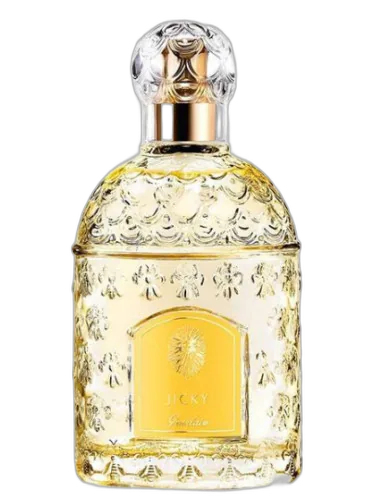
Guerlain
Jicky Eau De Toilette Guerlain
Shared top notes: lemon, rosemary
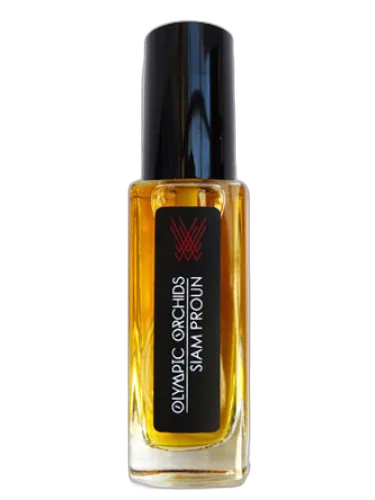
Olympic Orchids Artisan Perfumes
Siam Proun Olympic Orchids Artisan Perfumes
Shared top notes: lemon, orange, rosemary
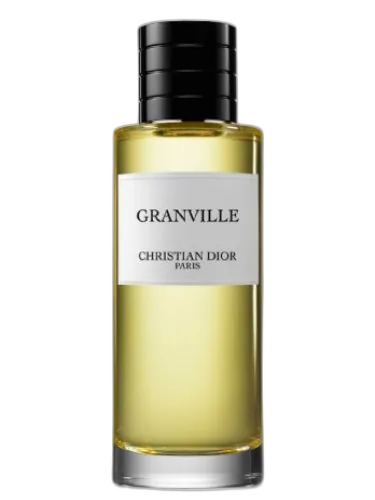
Dior
La Collection Couturier Parfumeur Granville Dior
Shared top notes: lemon, rosemary, thyme
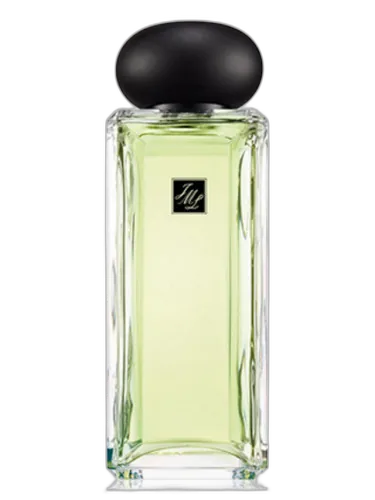
Jo Malone London
Jade Leaf Tea Jo Malone London
Shared accords: amber, aromatic, citrus