
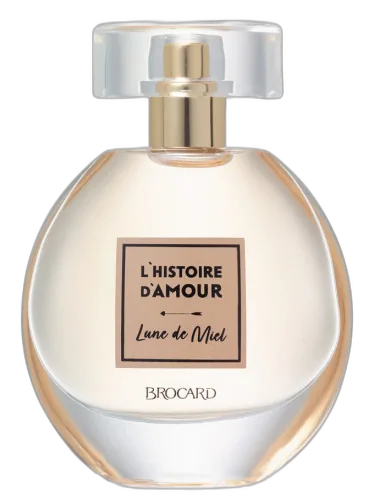

Lune De Miel Brocard
At a glance
Is Lune De Miel Brocard worth trying?
Lune De Miel by Brocard is a Floral Fruity fragrance for women.
- Best match
- Evening, Special Occasion wear in Spring, Summer
- Performance feel
- Good longevity with Moderate sillage
- Signature profile
- floral, white floral, sweet with Champagne, Mango, Citron
The first impression
Lune De Miel by Brocard is a Floral Fruity fragrance for women. Lune De Miel was launched in 2020. The nose behind this fragrance is Bertrand Duchaufour. Top notes are Champagne, Mango, Citron, Pink Pepper and Bergamot; middle notes are Hawthorn, Honeysuckle, Lily-of-the-Valley, Ylang-Ylang, Peony and Rose; base notes are Musk and Sycamore.
What shapes the scent
The perfumer behind it

Bertrand Duchaufour
Bertrand Duchaufour is a renowned French perfumer with a prolific career spanning many brands. He has created fragrances for Acqua di Parma, including Blu Mediterraneo - Cipresso Di Toscana and Colonia Assoluta, as well as for Aedes de Venustas, such as Café Tabac and Copal Azur. His style is known for its complexity and use of natural ingredients.
Notes pyramid
Top Notes
First impression · 15-30 min
 Champagne
 Mango
Mango
 Citron
 Pink Pepper
 Bergamot
Heart Notes
Core character · 2-4 hours
 Hawthorn
 Honeysuckle
 Lily-of-the-Valley
 Ylang-Ylang
 Peony
Peony
 Rose
Rose
Base Notes
Lasting impression · 4+ hours
 Musk
Musk
 Sycamore
The mood it creates
The Lover Archetype: Portrait of Lune De Miel Brocard
Essence
This person is defined by the Lover archetype, though not in its most obvious, hedonistic form. Their love is not reckless passion but a deep, almost sacred appreciation for beauty, intimacy, and the sensory pleasures of life. Lune De Miel Brocard-a fragrance of honey, amber, and floral warmth-reflects their essence: sweet but never cloying, rich but never excessive. They seek harmony in all things, drawn to experiences that engage the senses while maintaining an undercurrent of refinement.
Style & Aesthetic
Their world is one of curated elegance. They favor textures that invite touch-cashmere, aged leather, the grain of polished wood. Their home is a sanctuary of soft light, where candles flicker and books sit well-worn on oak shelves. In fashion, they lean toward timeless pieces with a whisper of opulence: a silk scarf, a vintage watch, a coat lined with velvet. They are not ostentatious, but they refuse to live in austerity.
Their taste in art and music mirrors this balance-Baroque concertos, Impressionist paintings, poetry that lingers on the tongue like honey. They are drawn to works that evoke nostalgia, not for a specific time, but for the feeling of being enveloped in something beautiful.
Their days are structured around small rituals-morning walks where they notice the way light filters through leaves, evenings spent with a glass of spiced wine and a novel. They are not lazy, but they refuse to be hurried. Work, for them, must have meaning; they thrive in creative fields-writing, design, perfumery-where craftsmanship is valued over speed.
Yet, their love of comfort can become stagnation. They may linger too long in relationships or jobs that no longer serve them, simply because the familiar is soothing. Their greatest challenge is knowing when to let go.
Philosophy & Values
They reject the modern cult of productivity that treats joy as an afterthought. For them, pleasure is not indulgence but a form of wisdom. They believe that to truly live, one must savor-whether it’s the first sip of dark coffee in the morning or the quiet weight of a lover’s hand in theirs.
Yet, theirs is not a philosophy of pure hedonism. They understand that beauty is fleeting, and this knowledge gives their appreciation a melancholic depth. They value loyalty, intimacy, and the slow cultivation of meaningful connections. Superficial relationships bore them; they crave bonds that unfold like a well-aged wine.
Relationships
They are magnetic, not because they demand attention, but because they listen-truly listen-with an intensity that makes others feel seen. Their love language is tactile and thoughtful: a handwritten note tucked into a pocket, a meal prepared with care, the way they remember the exact way someone takes their tea.
But their shadow emerges here. Their desire for deep connection can tip into possessiveness. They fear abandonment, sometimes clinging too tightly or reading too much into silence. When hurt, they retreat into themselves, wrapping their wounds in layers of quiet dignity rather than confrontation.
Shadow
The Lover’s weakness is their reluctance to face harsh truths. They prefer honeyed illusions to bitter medicine, sometimes ignoring problems until they fester. Their aversion to conflict can make them passive-aggressive, expressing displeasure through sighs and subtle withdrawals rather than direct words.
At their worst, they become trapped in nostalgia, longing for a past that was never as perfect as they remember. They must learn that true love-for people, for life-requires both tenderness and the courage to endure discomfort.
This is a person who lives deeply, finding the sacred in the sensory. Their strength is their ability to make others feel cherished; their flaw is their fear of losing what they love. Yet, in their best moments, they embody a rare truth: that to love the world is to accept its impermanence, and to savor it all the more fiercely because of it.
Like the fragrance they adore, they are warm, complex, and lingering-a reminder that life’s sweetness is best appreciated when balanced with wisdom.
If you like this, try these
Fragrances with a comparable profile - shared accords, notes, and character.
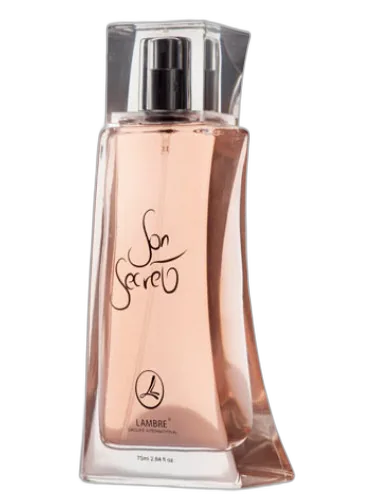
Lambre
Son Secret Lambre
Shared top notes: bergamot
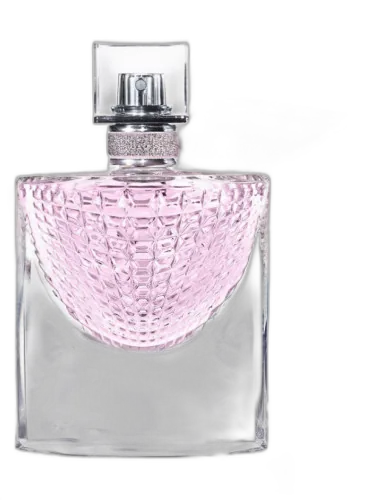
Lancôme
La Vie Est Belle Flowers Of Happiness Lancôme
Shared top notes: bergamot

Lancôme
La Vie Est Belle Flowers Of Happiness Sparkling Limited Edition Lancôme
Shared top notes: bergamot
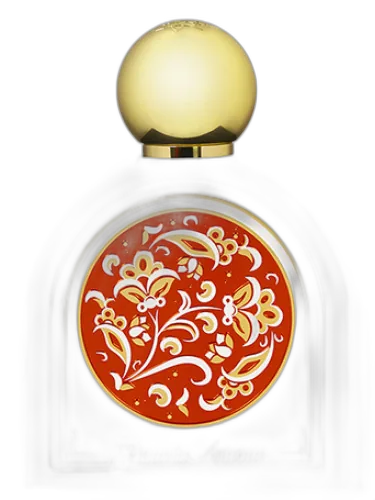
La Maison Orientale
Fleur De Amour La Maison Orientale
Shared top notes: bergamot
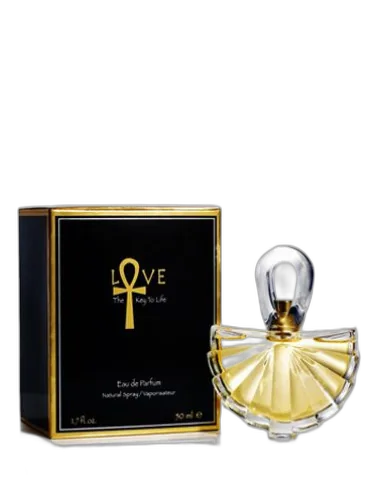
Love The Key to Life
Love The Key To Life Love The Key To Life
Shared top notes: bergamot, pink pepper