
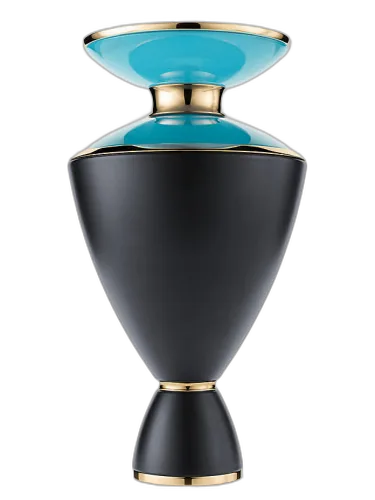
Noorah Bvlgari
At a glance
Is Noorah Bvlgari worth trying?
Noorah by Bvlgari is a Chypre Floral fragrance for women.
- Best match
- Evening wear in Fall
- Performance feel
- Very Good longevity with Moderate sillage
- Signature profile
- sweet, warm spicy, woody with Tobacco, Iris, Oak
The first impression
Noorah by Bvlgari is a Chypre Floral fragrance for women. Noorah was launched in 2014. The nose behind this fragrance is Daniela Andrier.
What shapes the scent
The perfumer behind it

Daniela Andrier
Daniela Andrier is a perfumer known for her work with Bottega Veneta, creating the Knot line and Parco Palladiano series. She also developed fragrances for Bvlgari, including Amarena and Ashlemah, and for 27 87 with #hashtag. Her style often blends floral, fruity, and woody notes with refined elegance.
Notes pyramid
All Notes
Complete scent profile
 Tobacco
 Iris
Iris
 Oak
Oak
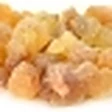 Benzoin
 Honey
Honey
 Vanilla
 Galbanum
 Cardamom
 Gingerbread
 Patchouli
The mood it creates
The Lover Archetype: Portrait of Noorah Bvlgari
Essence
To wear Noorah by Bvlgari is to embrace an aura of mystery and sensuality-a fragrance that whispers of amber, vanilla, and incense, evoking the warmth of sunlit stone and the quiet intensity of twilight. The person who chooses this scent is not one for loud declarations; their power lies in subtlety, in the unspoken allure that lingers long after they have passed by.
The dominant archetype here is The Enchantress, a figure who weaves reality through charm, intuition, and an almost magnetic presence. Like Circe or Scheherazade, they do not conquer by force but by fascination. They draw others in, not through manipulation in the crude sense, but because they understand the hidden currents of desire and meaning.
Yet, as with all archetypes, the Enchantress has a shadow-one that can slip into capriciousness, into a love of power for its own sake. When unbalanced, they may become elusive to the point of detachment, or so enamored with their own mystique that they forget the humanity of those around them.
Relationships
They do not give themselves easily. Friendships and loves are cultivated like rare plants-slowly, with care, and only in the right conditions. Those who earn their trust find a fiercely loyal companion, one who listens with uncanny perception and offers advice that cuts to the heart of the matter. But many will only ever see the surface: the enigmatic smile, the carefully chosen words that reveal just enough to intrigue, never enough to define.
Romantically, they are drawn to those who can match their depth without demanding full disclosure. They despise possessiveness, yet they themselves can be guilty of a subtle emotional dominance-drawing lovers in only to retreat when things become too predictable. Their shadow here is a reluctance to be fully known, a fear that unmasking will dispel their magic.
Shadow
The greatest danger for the Enchantress is mistaking mystique for substance. They may become so adept at shaping perceptions that they lose touch with their own unfiltered self. Their charm, if unchecked, can turn performative-a series of calculated gestures rather than spontaneous expressions.
They may also grow impatient with those who cannot keep up with their intellectual or emotional depth, dismissing others as shallow when, in truth, they have not allowed them close enough to prove otherwise. At their worst, they manipulate not out of malice, but out of habit-a reflex born from years of holding the world at arm’s length.
Conclusion
Their tastes are refined but never ostentatious. They prefer the weight of silk to the glitter of sequins, the depth of a well-aged wine to the immediacy of a cocktail. Their home is a sanctuary-dimly lit, filled with books, incense, and artifacts collected from travels or inherited from ancestors. They are drawn to art that suggests rather than declares: a half-finished sketch, a poem with ambiguous meaning, music that lingers at the edge of comprehension.
Philosophically, they are drawn to the esoteric-not as mere dabblers, but as seekers who understand that truth is often found in paradox. They might quote Rumi one moment and Nietzsche the next, not for show, but because they see the same fire burning in both. Their values are rooted in authenticity, though their definition of it is fluid. To them, being "real" does not mean being transparent; it means being true to one’s own complexity.
If you like this, try these
Fragrances with a comparable profile - shared accords, notes, and character.
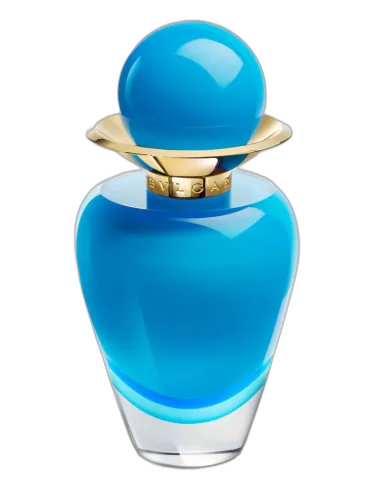
Bvlgari
Murano Noorah Bvlgari
Shared top notes: benzoin, cardamom, galbanum
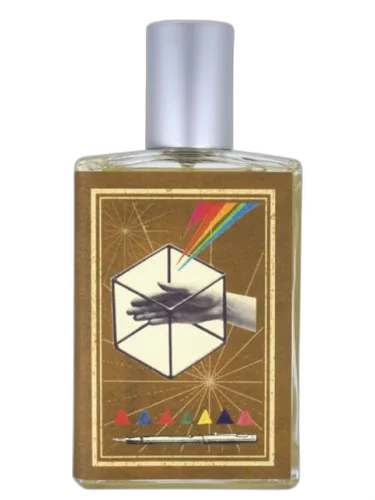
Imaginary Authors
Memoirs Of A Trespasser Imaginary Authors
Shared top notes: benzoin, oak, vanilla
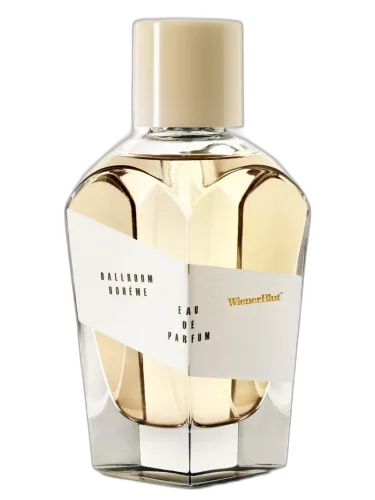
WienerBlut
Ballroom Bohème Wienerblut
Shared top notes: tobacco, vanilla

Diptyque
Volutes Eau De Parfum Diptyque
Shared top notes: honey, iris, tobacco
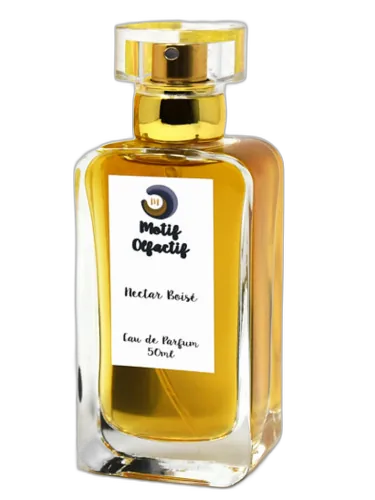
Motif Olfactif
Nectar Boisé Motif Olfactif
Shared top notes: cardamom, galbanum, patchouli