
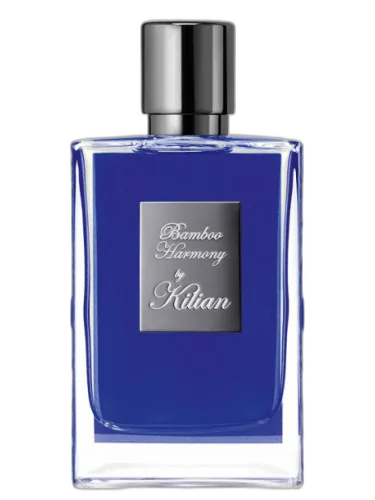

Bamboo Harmony By Kilian
At a glance
Is Bamboo Harmony By Kilian worth trying?
Bamboo Harmony by By Kilian is a Citrus Aromatic fragrance for women and men.
- Best match
- Casual wear in Spring, Summer
- Performance feel
- Moderate longevity with Moderate sillage
- Signature profile
- citrus, green, fresh with Bergamot, Neroli, Bitter Orange
The first impression
Bamboo Harmony by By Kilian is a Citrus Aromatic fragrance for women and men. Bamboo Harmony was launched in 2012. The nose behind this fragrance is Calice Becker. Top notes are Bergamot, Neroli and Bitter Orange; middle notes are Tea, Bamboo, Mate, Mimosa and Spices; base notes are Fig Leaf, Holly and oak moss.
What shapes the scent
The perfumer behind it

Calice Becker
Calice Becker is a renowned French perfumer who has worked with major houses like Avon and Bath & Body Works. Her creations include Arquiste's Almond Suede and Indigo Smoke, as well as Avon's Far Away Gold. She is celebrated for her ability to craft both commercial and artistic fragrances with a refined, elegant touch.
Notes pyramid
Top Notes
First impression · 15-30 min
 Bergamot
 Neroli
 Bitter Orange
Heart Notes
Core character · 2-4 hours
 Tea
Tea
 Bamboo
 Mate
Mate
 Mimosa
 Spices
Base Notes
Lasting impression · 4+ hours
 Fig Leaf
Holly
oak moss
Fig Leaf
Holly
oak moss
The mood it creates
The Sage Archetype: Portrait of Bamboo Harmony By Kilian
Essence
The person who cherishes Bamboo Harmony by Kilian is most closely aligned with the Sage archetype-a seeker of wisdom, balance, and refined simplicity. Like the bamboo, they embody resilience and grace, bending without breaking, standing tall yet never rigid. Their scent is an olfactory meditation: green tea, fig, and bergamot mingling in quiet harmony, evoking a mind that values clarity, depth, and understated elegance.
Style & Aesthetic
Their wardrobe is a study in controlled elegance: linen shirts that breathe, tailored but never stiff; neutral tones with the occasional muted green or soft gray, mirroring the serenity of their fragrance. They prefer natural textures-cotton, silk, unpolished wood-over synthetic gloss.
In their home, minimalism reigns, but not the cold, sterile kind. Their space is warm, curated with objects that serve a purpose or tell a story: a well-worn book of haikus, a single ceramic bowl, a framed ink drawing of bamboo swaying in the wind. They surround themselves with quiet beauty, believing that environment shapes the soul.
Their days are structured but never rigid. Mornings begin with meditation or a slow walk, evenings with reading or music that demands attention rather than background noise. They work in a field that rewards thoughtfulness-perhaps as a writer, a curator, a therapist, or a designer. They are not driven by ambition in the traditional sense, but by the desire to create meaning in small, lasting ways.
They travel not to check landmarks off a list, but to absorb the essence of a place-the scent of rain on Kyoto’s moss-covered stones, the quiet hum of a Parisian café at dusk. They move through the world as an observer, collecting impressions like pressed leaves in a book.
Philosophy & Values
To them, life is an exercise in measured beauty-a pursuit of equilibrium between intellect and emotion, tradition and modernity. They are drawn to philosophies that emphasize inner peace, whether Zen Buddhism, Stoicism, or the quiet introspection of a poet. They believe in the power of subtlety; a whisper, they think, often carries more weight than a shout.
Yet, their wisdom is not merely passive contemplation. They engage with the world deliberately, filtering experiences through a lens of discernment. They value authenticity, detesting pretense or vulgar displays of status. For them, luxury is not in excess but in precision-the perfect cup of tea, the exact right word, the scent that lingers just long enough to be remembered.
Relationships
They are not a social butterfly, but neither are they a recluse. Their friendships are few but deep, cultivated over years of shared silence as much as conversation. They listen more than they speak, offering counsel only when asked-and when they do, their words are deliberate, weighted.
Romantically, they seek a partner who understands their need for solitude as much as intimacy. Their love is not fiery passion but steady devotion, a bond built on mutual respect and the unspoken. They may frustrate lovers who crave grand gestures; their affection is shown in small, thoughtful acts-a handwritten note tucked into a book, a shared pot of tea at dawn.
Shadow
Yet, the Sage’s wisdom has its shadow. Their pursuit of harmony can slip into emotional detachment, a reluctance to engage with life’s messier, more chaotic aspects. They may withdraw when confronted with raw emotion, preferring the safety of their own controlled world.
Their discernment, too, can harden into judgment. They disdain vulgarity, but this disdain may calcify into a quiet arrogance, a belief that their refined tastes make them superior. They risk becoming the critic who admires the bamboo from afar but never feels the dirt under their nails.
Conclusion
The lover of Bamboo Harmony is, at their best, a reminder that strength lies in flexibility, wisdom in stillness. But they must guard against the temptation to live only in the mind, forgetting that true harmony requires engaging with life’s imperfections. For bamboo to grow, it must first root itself in the earth-a truth they would do well to remember.
If you like this, try these
Fragrances with a comparable profile - shared accords, notes, and character.

By Kilian
Sophie Matisse Art Edition Bamboo Harmony By Kilian
Shared top notes: bergamot, bitter orange, neroli
Korres
White Tea Bergamot Freesia Korres
Shared top notes: bergamot, neroli
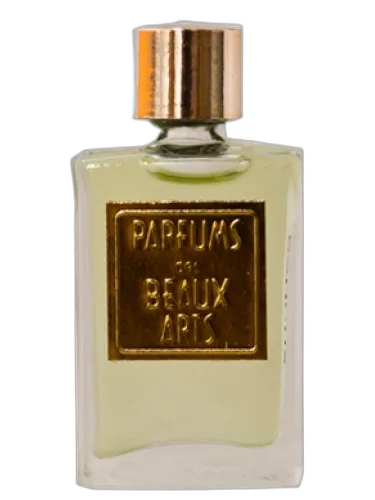
DSH Perfumes
The´ Vert (tea No. 1) Dsh Perfumes
Shared top notes: bergamot
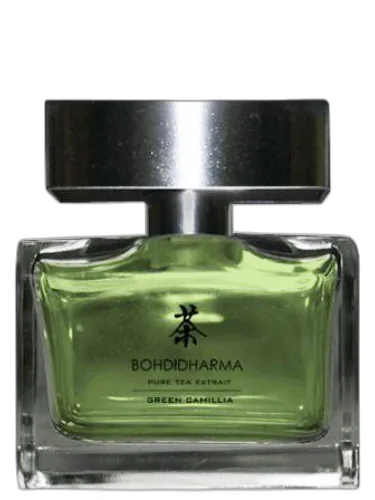
Bohdidharma
Green Camellia Bohdidharma
Shared top notes: bergamot

Jil Sander
The Essentials Woman Iii Jil Sander
Shared top notes: bergamot, bitter orange