
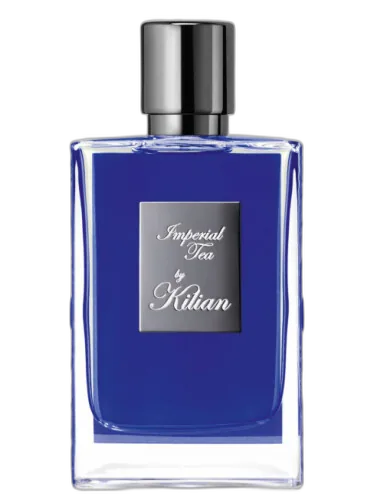

Imperial Tea (2024) By Kilian
At a glance
Is Imperial Tea (2024) By Kilian worth trying?
Imperial Tea (2024) by By Kilian is a Aromatic Green fragrance for women and men.
- Best match
- Casual wear in Spring
- Performance feel
- Good longevity with Moderate sillage
- Signature profile
- aromatic, green, white floral with Green Tea, Bergamot, Seaweed
The first impression
Imperial Tea (2024) by By Kilian is a Aromatic Green fragrance for women and men. This is a new fragrance. Imperial Tea (2024) was launched in 2024. The nose behind this fragrance is Calice Becker. Top notes are Green Tea, Bergamot, Seaweed and Laminaria; middle notes are Mate, Jasmine Sambac, Orange Blossom and Freesia; base notes are White Musk, Moss and Vetiver.
What shapes the scent
The perfumer behind it

Calice Becker
Calice Becker is a renowned French perfumer who has worked with major houses like Avon and Bath & Body Works. Her creations include Arquiste's Almond Suede and Indigo Smoke, as well as Avon's Far Away Gold. She is celebrated for her ability to craft both commercial and artistic fragrances with a refined, elegant touch.
Notes pyramid
Top Notes
First impression · 15-30 min
 Green Tea
 Bergamot
 Seaweed
 Laminaria
Heart Notes
Core character · 2-4 hours
 Mate
Jasmine Sambac
Mate
Jasmine Sambac
 Orange Blossom
 Freesia
Base Notes
Lasting impression · 4+ hours
White Musk
Moss
 Vetiver
The mood it creates
The Sage Archetype: Portrait of Imperial Tea (2024) By Kilian
Essence
To wear Imperial Tea by Kilian is to carry the quiet authority of one who has tasted the rarefied and the refined. This fragrance-steeped in the elegance of jasmine, bergamot, and the faintest whisper of smoky tea leaves-is not for the restless or the loud. It is for the contemplative soul who finds power in restraint, wisdom in silence, and beauty in the ephemeral.
This person is most closely aligned with the Sage, the seeker of truth through knowledge, reflection, and discernment. The Sage does not rush; they observe, analyze, and distill. They are drawn to the subtle, the layered, the things that reveal themselves only to those who wait. Like the tea ceremony-where every gesture is deliberate, every sip a meditation-they move through life with precision and purpose.
But the Sage is not merely an intellectual. They are also an aesthete, one who understands that wisdom is not only found in books but in the sensory world-the curl of steam from a porcelain cup, the weight of silence between words, the way light falls on aged paper.
Shadow
Yet, the Sage is not without their flaws. Their love of depth can become a retreat from the messiness of life. They may disdain the vulgar, the unrefined, the emotionally raw-seeing it as weakness rather than humanity. In their pursuit of wisdom, they risk becoming detached, mistaking observation for living.
Their greatest fear is irrelevance, the thought that their carefully cultivated understanding might be nothing more than an echo in an empty room. This can make them stubborn, even arrogant, dismissing what they do not immediately comprehend. They may grow impatient with those who do not share their exacting standards, forgetting that not all truths are found in stillness-some are discovered in chaos.
The Sage who wears Imperial Tea is both sovereign and servant-to knowledge, to beauty, to the quiet pursuit of meaning. They understand that wisdom is not a destination but a practice, one that requires both discipline and humility.
Their flaw is their strength taken too far: the love of solitude becoming isolation, discernment turning to judgment. But when balanced, they are a rare presence-one who does not need to dominate a room to influence it. Like the fragrance they choose, they leave a lingering impression, subtle but undeniable.
In the end, they are not seeking answers so much as the right questions. And perhaps that is the truest mark of wisdom.
Conclusion
Their tastes are deliberate, never accidental. They prefer the understated luxury of well-worn leather-bound books over flashy displays, the quiet hum of a jazz trio over the clamor of a crowded bar. Their wardrobe leans toward timeless cuts-tailored but never stiff, fabrics that whisper rather than shout. They might favor cashmere, linen, or silk, materials that age gracefully, just as they themselves aspire to.
Philosophy is not an abstract exercise for them; it is lived. They believe in the discipline of the mind but also in the discipline of pleasure-knowing when to indulge and when to abstain. Stoicism and Epicureanism are not opposing forces in their world but two sides of the same coin.
In relationships, they are slow to trust but deeply loyal once they do. They do not suffer fools, yet they are patient with those who genuinely seek to learn. Their friendships are few but profound, built on shared silences as much as shared words. Romantic partners must understand that solitude is sacred to them-not a rejection, but a necessity.
If you like this, try these
Fragrances with a comparable profile - shared accords, notes, and character.

Maison Martin Margiela
Matcha Meditation Maison Martin Margiela
Shared top notes: bergamot, green tea

Jovoy Paris
Hesperide Jovoy Paris
Shared top notes: bergamot
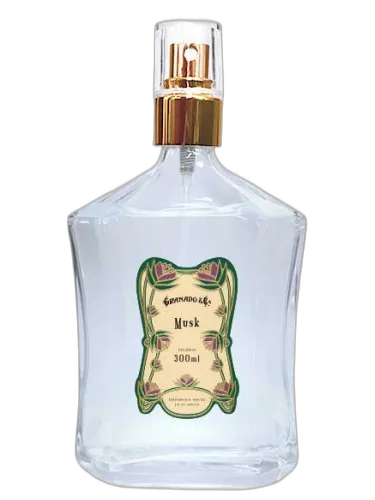
Granado
Musk Granado
Shared top notes: bergamot

Jil CROQUET Parfum
Fresh Morning Jil Croquet Parfum
Shared top notes: bergamot
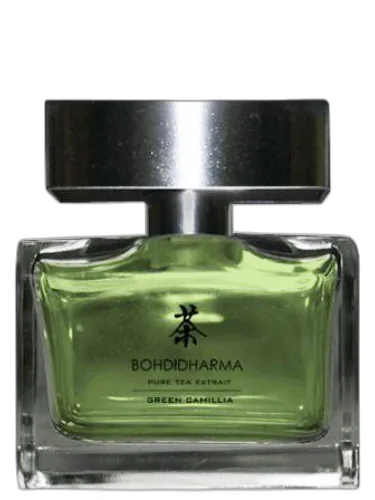
Bohdidharma
Green Camellia Bohdidharma
Shared top notes: bergamot