
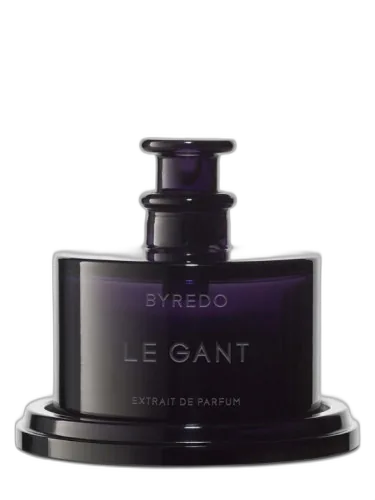

Le Gant Byredo
At a glance
Is Le Gant Byredo worth trying?
Le Gant by Byredo is a Leather fragrance for women and men.
- Best match
- Evening wear in Fall
- Performance feel
- Good longevity with Moderate sillage
- Signature profile
- powdery, leather, musky with Bergamot, Saffron, Heliotrope
The first impression
Le Gant by Byredo is a Leather fragrance for women and men. Le Gant was launched in 2016. Top notes are Bergamot and Saffron; middle notes are Heliotrope and Mimosa; base notes are Acai Berry, Leather, Musk and Amber.
What shapes the scent
The perfumer behind it

Jerome Epinette
Jerome Epinette is a prolific perfumer known for his collaborations with brands like Byredo and Ariana Grande. His style ranges from bold, avant-garde compositions to crowd-pleasing, sweet florals. Epinette has a talent for balancing innovation with mass appeal. His work continues to shape trends in both niche and mainstream perfumery.
Notes pyramid
Top Notes
First impression · 15-30 min
 Bergamot
 Saffron
Heart Notes
Core character · 2-4 hours
 Heliotrope
 Mimosa
Base Notes
Lasting impression · 4+ hours
 Acai Berry
 Leather
 Musk
Musk
 Amber
Amber
The mood it creates
The Archetype Archetype: Portrait of Le Gant Byredo
Essence
The one who chooses Le Gant-a fragrance of cold violet, iris, and suede-is not drawn to the obvious. They are the quiet observer, the thinker who dissects the world with precision. Their archetype is the Sage, the seeker of truth through intellect and restraint. The Sage does not chase sensation; they refine it, distilling experience into meaning. Le Gant mirrors this: austere yet intricate, a scent that reveals itself slowly, like wisdom unfolding.
Shadow
Yet the Sage’s strength is also their flaw. Their love of reason can become a prison. They may dismiss emotion as irrational, mistaking control for wisdom. In their pursuit of objectivity, they risk becoming spectators of their own lives, analyzing rather than living.
There is a loneliness in this. They may pride themselves on self-sufficiency, but beneath it lies a fear-that to need others is to admit weakness. Their restraint, once a virtue, can harden into isolation. The very intellect that illuminates can also blind them to the raw, messy beauty of being human.
Conclusion
Their tastes are deliberate, never accidental. They prefer muted colors-charcoal, slate, deep mauve-garments that suggest structure rather than flamboyance. Their home is sparse but intentional: a single well-chosen painting, a shelf of philosophy and modernist poetry, a chair positioned just so to catch the morning light. They do not accumulate; they curate.
Philosophy is not an abstraction to them but a lens. They might favor Stoicism for its discipline, or Nietzsche himself for his ruthless clarity. They believe in self-mastery, in the power of the mind to rise above chaos. Their values are rooted in reason, but not coldly so-there is an undercurrent of melancholy, a recognition that understanding often comes at the cost of innocence.
If you like this, try these
Fragrances with a comparable profile - shared accords, notes, and character.
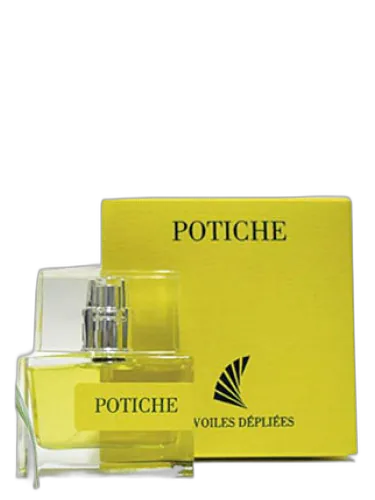
Les Voiles Depliees
Potiche Les Voiles Depliees
Shared top notes: bergamot
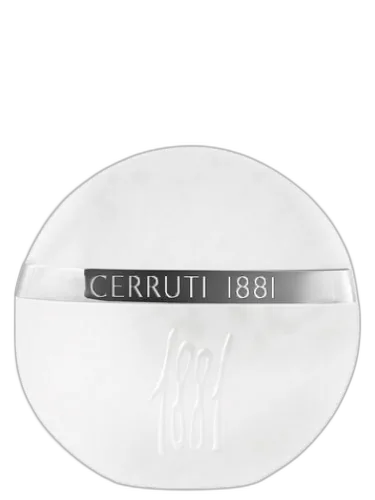
Cerruti
1881 Edition Blanche Cerruti
Shared top notes: bergamot
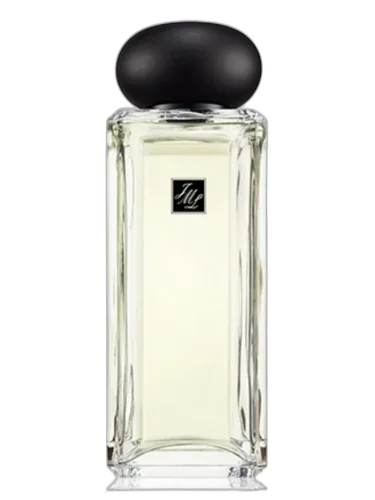
Jo Malone London
Silver Needle Tea Jo Malone London
Shared top notes: bergamot, saffron
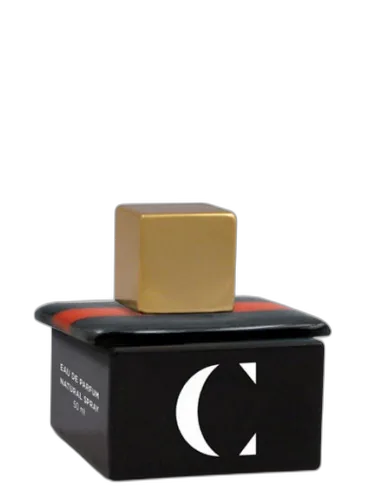
Marie Saint Pierre
C Marie Saint Pierre
Shared top notes: bergamot, saffron
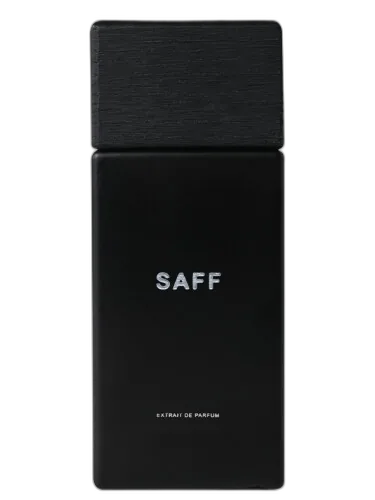
SAFF & Co.
Saff Saff & Co.
Shared top notes: bergamot, saffron